Senior Dog Care: Adjusting Daily Routines and Home Setup
Discover how to adjust your daily routine and home setup for a senior dog. Learn practical tips on mobility, diet, and comfort for aging canines.
Dogs age faster than humans, and the transition from a vibrant adult to a distinguished senior happens gradually. As your faithful companion enters their golden years, their needs shift dramatically. The journey of sharing your life with a dog doesn't end when the muzzle turns gray; it simply evolves. Adapting your daily routine and home environment is crucial for maintaining your senior dog's quality of life. This comprehensive life stage care guide will walk you through practical, actionable adjustments to ensure your aging canine remains comfortable, happy, and deeply loved.
Recognizing the Shift to Senior Status
Before adjusting your routine, it is essential to understand when your dog officially enters their senior life stage. According to the American Veterinary Medical Association (AVMA), the aging process varies significantly by size and breed. Small breeds (under 20 pounds) may not show signs of aging until they are 10 to 12 years old. Medium breeds (21 to 50 pounds) typically become seniors around 8 to 10 years. Large and giant breeds (over 50 pounds) can enter their senior years as early as 6 to 8 years of age.
Signs of aging include a noticeable decrease in energy, stiffness after resting, cloudiness in the eyes (lenticular sclerosis), and changes in sleep patterns. Recognizing these subtle shifts early allows you to implement supportive care before mobility or cognitive issues become severe.
Adjusting Your Daily Routine for a Senior Dog
Your dog’s daily schedule must adapt to their changing physical and cognitive capabilities. What once was a rigorous three-mile run must now transition into a more mindful, joint-friendly routine.
Exercise: The Sniffari Approach
Senior dogs still require daily exercise to maintain muscle mass and prevent obesity, which exacerbates joint pain. However, the type of exercise must change. Replace long, continuous walks with shorter, more frequent outings. Aim for two to three 15-minute walks per day rather than one exhaustive 45-minute trek.
Embrace the Sniffari—a slow-paced walk where the dog dictates the speed and spends ample time sniffing their environment. Mental stimulation through scent work tires a dog out just as effectively as physical exertion, without the impact on aging joints. You can also incorporate gentle indoor enrichment games, such as hiding low-calorie treats in a snuffle mat, to keep their brain engaged on days when the weather is too extreme for outdoor walks. Avoid sudden stops, sharp turns, or jumping over obstacles.
Potty Breaks and Hydration Management
As dogs age, their bladder control and kidney efficiency naturally decline. You may need to increase potty breaks from three times a day to four or five times. If you work long hours, consider hiring a mid-day dog walker or installing a doggy door to a secure, easily accessible yard.
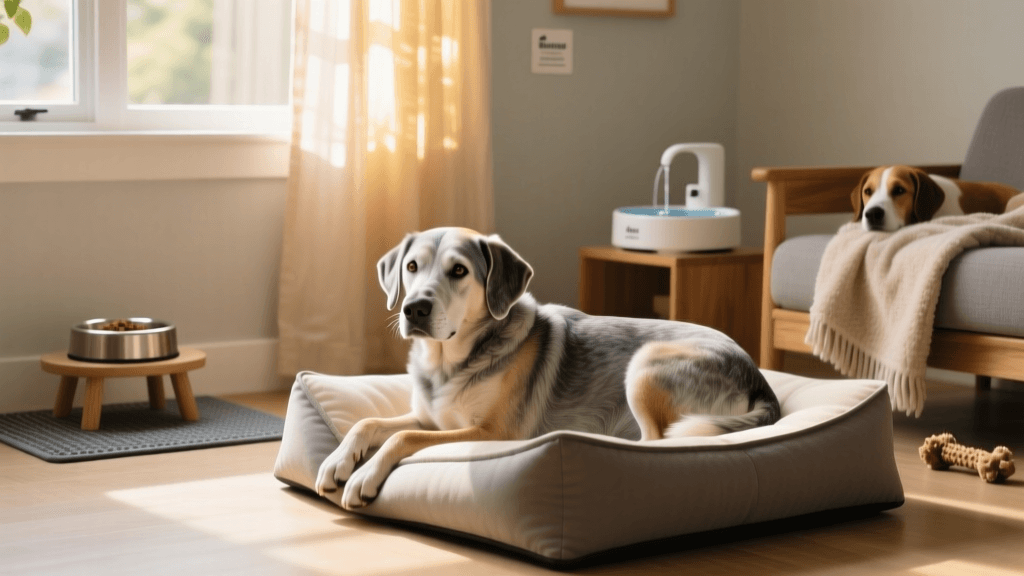
Hydration is equally critical, especially if your senior dog is on medications for conditions like kidney disease or Cushing's syndrome. Place multiple water stations around the house. For dogs with neck arthritis or megaesophagus, elevate their water bowls by 4 to 6 inches to reduce strain and aid in swallowing. Consider a pet water fountain, as the moving water can entice dogs with a diminished thirst drive to drink more.
Modifying Your Home Environment
Your home, once a safe playground, can become an obstacle course for a dog experiencing canine cognitive dysfunction or osteoarthritis. The ASPCA emphasizes that environmental modifications are key to preventing injuries and reducing anxiety in older pets.
Flooring and Mobility Aids
Slippery hardwood, tile, or laminate floors are a major hazard for senior dogs with weakened hindquarters or arthritis. A single slip can lead to a torn cruciate ligament or a hip fracture.
- Area Rugs and Runners: Lay down non-slip area rugs or interlocking foam mats in high-traffic areas, hallways, and near your dog's favorite resting spots. Ensure the rugs have rubberized backing to prevent them from sliding.
- Ramps and Stairs: If your dog sleeps on your bed or rides in an SUV, invest in a pet ramp or foldable stairs. Look for ramps with a gentle incline (ideally an 18-to-20-degree angle) and a high-traction surface like artificial grass or ribbed carpet.
- Yoga Mats: For a budget-friendly, temporary fix, lay down thick yoga mats near the food bowls and bed to provide immediate grip.
Bedding and Temperature Control
Senior dogs lose muscle mass and body fat, making them more susceptible to cold drafts and pressure sores from lying on hard surfaces.
- Orthopedic Beds: Ditch the flat, stuffed beds. Invest in a high-density memory foam orthopedic bed that is at least 4 inches thick. This prevents their joints from pressing through the foam to the hard floor.
- Heating and Cooling: Older dogs struggle to regulate their body temperature. In the winter, use a pet-safe heated blanket or a microwavable heating pad set to a low, warm setting. In the summer, provide a cooling gel mat to prevent overheating, especially for brachycephalic (flat-faced) breeds.
Dietary and Supplement Adjustments
As metabolism slows down, caloric needs decrease, but the need for high-quality, easily digestible protein increases to prevent muscle wasting (sarcopenia). Consult your veterinarian about transitioning to a senior-specific diet. When transitioning to a new senior diet, do so gradually over 7 to 10 days to avoid gastrointestinal upset. Mix 25% of the new food with 75% of the old food for the first few days, slowly increasing the ratio. Monitor your dog's weight weekly; obesity is a leading contributor to mobility loss and decreased lifespan in senior canines.
Furthermore, joint supplements are highly recommended for aging dogs. Look for supplements containing:
- Glucosamine Hydrochloride and Chondroitin Sulfate: To support cartilage health.
- Omega-3 Fatty Acids (EPA and DHA): Found in wild-caught salmon oil, these are powerful anti-inflammatories that help reduce joint swelling and support cognitive function.
- Green-Lipped Mussel Extract: A natural source of glycosaminoglycans, highly effective for canine osteoarthritis.
Always clear new supplements with your vet, as they can interact with medications like NSAIDs. For more on managing joint health, the American Kennel Club (AKC) provides excellent guidelines on recognizing and treating arthritis in older dogs.
Senior Dog Home Modification Checklist & Estimated Costs
To help you budget and plan, here is a structured breakdown of essential home modifications and routine adjustments for your senior dog.
| Modification / Item | Purpose | Estimated Cost | Priority Level |
|---|---|---|---|
| Non-Slip Area Rugs / Runners | Prevent slipping and joint injuries on hard floors | $50 - $150 | High |
| Orthopedic Memory Foam Bed | Relieve pressure on hips, elbows, and spine | $80 - $200 | High |
| Pet Ramp or Folding Stairs | Safe access to beds, couches, and vehicles | $40 - $120 | High |
| Elevated Food & Water Bowls | Reduce neck strain and aid digestion | $20 - $50 | Medium |
| Pet Water Fountain | Encourage hydration for kidney and urinary health | $30 - $60 | Medium |
| Nightlights / Sensor Lights | Assist dogs with failing vision or cognitive decline | $15 - $30 | Medium |
| Joint Supplements (Omega-3, Glucosamine) | Reduce inflammation and support cartilage | $25 - $50 / month | High (Vet Dependent) |
| Mid-Day Dog Walker / Potty Service | Manage decreased bladder control | $15 - $25 / walk | Situational |
The Emotional Aspect of Aging Together
Caring for a senior dog requires patience, empathy, and a willingness to adapt. Your dog may become clingier, experience sleep-wake cycle disruptions (sundowning), or seem confused in familiar rooms. These are often signs of Canine Cognitive Dysfunction (CCD), akin to dementia in humans. Maintain a predictable daily routine, use baby gates to block off unsafe areas like steep staircases, and offer plenty of gentle reassurance. Consider leaving a radio on a low volume with classical music or white noise to soothe anxiety during the night. Pheromone diffusers, such as Adaptil, can also create a calming environment for dogs experiencing age-related stress.
The journey of living with your dog during the senior years is deeply rewarding. The frantic energy of puppyhood has settled into a profound, quiet companionship. By making these practical adjustments to your routine and home, you honor the years of joy your dog has given you, ensuring their final chapters are lived with dignity, comfort, and grace.
robin-maitland
All our authors care for dogs every day — read more of their work on the authors page.