Step-by-Step Guide to Calming Anxious Dogs in Cars
Learn how to train an anxious dog to ride calmly in the car with this step-by-step guide. Includes gear tips, timing, and desensitization techniques.
Why Dogs Experience Car Anxiety and Motion Sickness
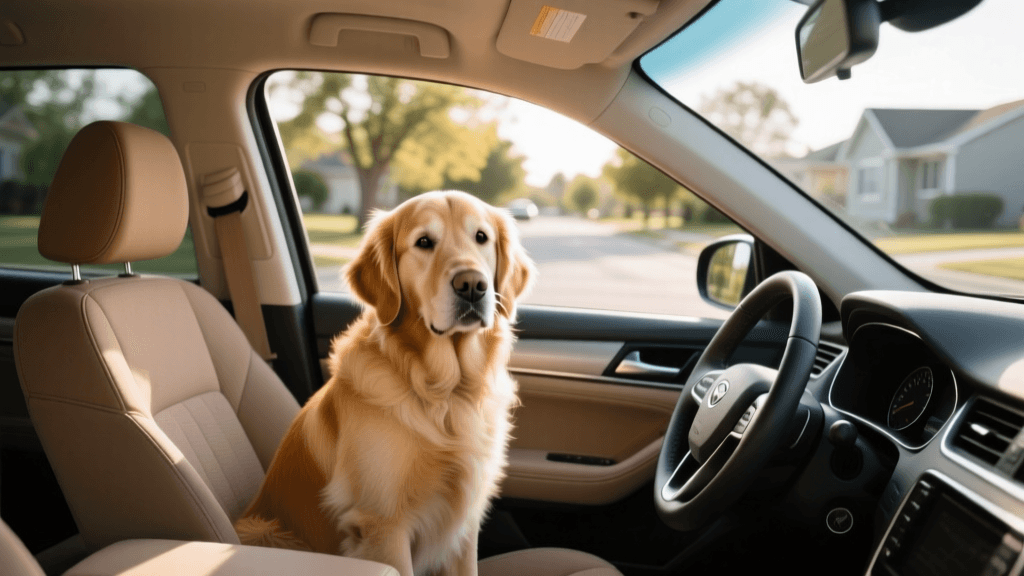
For many dog owners, loading their furry companion into the car for a fun outing is a seamless part of daily life. However, for dogs suffering from car anxiety or motion sickness, the mere sound of jingling keys can trigger a stress response. Signs of car anxiety include excessive panting, drooling, lip licking, yawning, whining, trembling, or outright refusal to enter the vehicle. Understanding the root cause is the first step in our training guide. Often, car anxiety stems from a negative association, such as only riding in the car to visit the veterinarian. In other cases, it is rooted in canine motion sickness. Puppies and dogs with sensitive vestibular systems experience a sensory mismatch: their inner ear feels the motion of the vehicle, but their eyes, focused on the interior of the car, do not register the movement. This disconnect leads to nausea, which quickly conditions the dog to fear the car altogether.
Essential Gear for Safe and Calm Car Rides
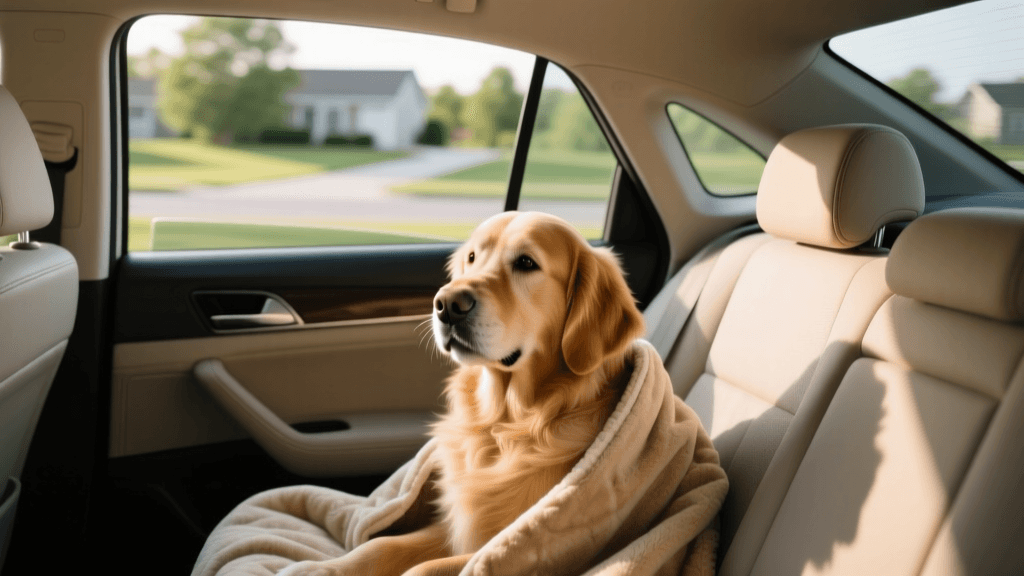
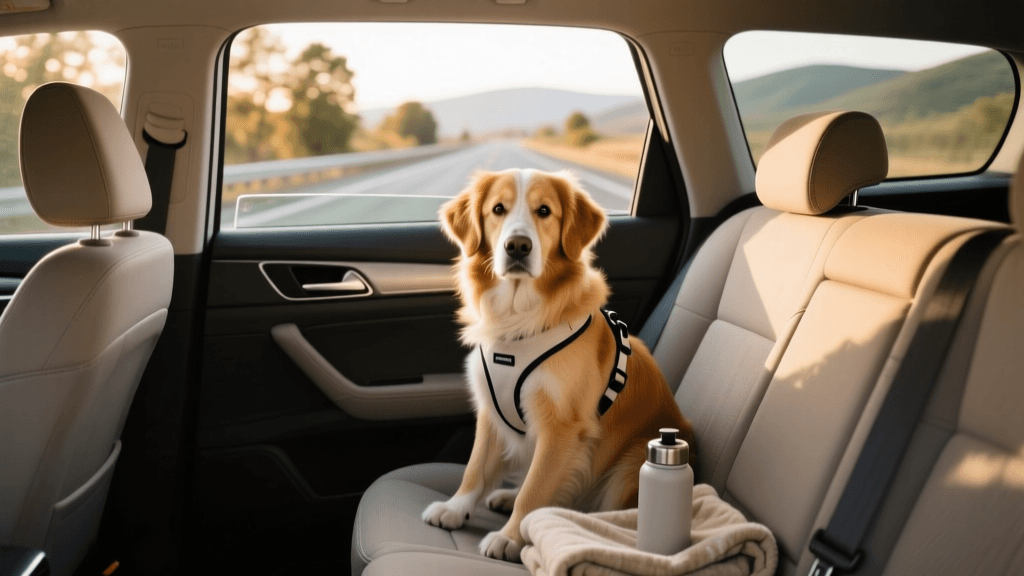
Before beginning any behavioral training, you must ensure your dog is physically secure. An unrestrained dog is a projectile in the event of a sudden stop, and the feeling of sliding around the backseat can severely worsen motion sickness and anxiety. According to the ASPCA, dogs should always be restrained in a well-ventilated crate or with a specialized dog seatbelt harness. However, not all harnesses are created equal. The Center for Pet Safety conducts rigorous crash testing on pet travel gear, and many popular market brands fail to provide adequate protection. Investing in certified gear not only keeps your dog safe but also provides a snug, secure feeling that mimics a gentle hug, which can reduce anxiety.
Car Safety Gear Comparison Chart
| Restraint Type | Best For | Estimated Cost | Safety & Anxiety Notes |
|---|---|---|---|
| Crash-Tested Harness (e.g., Sleepypod Clickit Sport) | Medium to Large Dogs (40-90 lbs) | $80 - $110 | Provides excellent security; snug fit can reduce anxiety. Must be CPS-certified. |
| Hard-Sided Crash-Tested Crate (e.g., Gunner G1) | Large Dogs or Multiple Dogs | $500 - $800 | Ultimate safety. Den-like environment helps dogs with severe visual overstimulation. |
| Soft-Sided Carrier (e.g., Sleepypod Air) | Small Dogs & Cats (Under 15 lbs) | $150 - $190 | Great for small dogs; restricts movement which helps prevent motion sickness. |
| Standard Seatbelt Tether | None (Not Recommended) | $10 - $20 | Fails in crash tests; allows too much movement, worsening motion sickness and panic. |
Step-by-Step Desensitization Training Guide
Desensitization and counterconditioning are the gold standards for treating car anxiety. This process changes your dog's emotional response to the car from fear to anticipation of good things. You will need high-value treats (like boiled chicken breast, low-sodium hot dogs, or Zuke's Mini Naturals), a lick mat or Kong toy, and patience. Never force your dog into the car during this training phase.
Step 1: The Stationary Introduction (Days 1-3)
Start with the car parked in the driveway, engine off. Open the doors and sit in the backseat or stand near the open door. Toss high-value treats onto the floor of the car. Let your dog enter voluntarily to eat the treats and exit immediately. Do not close the doors yet. Repeat this 5 to 10 times per session, conducting two short sessions per day. Once your dog is happily jumping in for treats, introduce a frozen Kong stuffed with dog-safe peanut butter and plain pumpkin puree. Give them the Kong in the car, let them lick it for 3 to 5 minutes, and then take it away and end the session. The goal is to build a positive association with the stationary car environment.
Step 2: Engine On, Car in Park (Days 4-6)
Once your dog is relaxed eating treats in the parked car, it is time to introduce the sensory experience of the engine. With your dog secured in their harness or crate in the backseat, start the engine. Do not put the car in gear. Turn on the air conditioning to ensure a comfortable temperature (around 68°F to 72°F) and play calming audio. Classical music or specially designed tracks like 'Through a Dog's Ear' have been shown to lower canine heart rates. Sit in the driver's seat, speak in a calm, soothing voice, and feed treats through the center console or have a helper feed them in the back. Keep these sessions to 3 to 5 minutes. If your dog shows signs of stress (panting, whining), turn off the engine immediately and return to Step 1 the next day.
Step 3: Short Driveway Drives (Days 7-10)
Now, introduce movement. With your dog secured and the engine running, slowly back out of the driveway and immediately pull back in. Turn off the car, praise your dog enthusiastically, and offer a jackpot of treats (3-4 pieces of chicken). Gradually increase the distance over the next few days: drive to the end of the street and back, then around the block. Keep the drives under 5 minutes. Drive smoothly—avoid hard braking, rapid acceleration, and sharp turns, as these trigger the vestibular system and induce nausea. Keep the windows rolled up slightly to prevent wind from blasting their face and eyes, which can cause discomfort and anxiety.
Step 4: The 'Happy Destination' Drive (Days 11-14)
Dogs are excellent pattern recognizers. If every car ride ends at the veterinary clinic, they will remain anxious. During this phase, take your dog on short 10-minute drives to 'happy destinations.' This could be a local park, a pet-friendly store, a hiking trail, or simply a drive-through for a 'puppuccino.' The destination must be something your dog genuinely enjoys. Spend 15 minutes playing or walking, then load them back into the car for a calm ride home. This rewires their brain to understand that the car is a vehicle to fun experiences, not just medical procedures.
Managing Motion Sickness and Severe Anxiety
If your dog's anxiety is deeply rooted in physical motion sickness, behavioral training alone may not be enough. The American Kennel Club notes that treating the underlying nausea is critical for dogs who drool or vomit during rides. Here are practical, actionable interventions to support your training:
- Dietary Timing: Withhold food for 2 to 3 hours before a car ride to ensure an empty stomach, which significantly reduces the likelihood of vomiting. Always provide access to fresh water.
- Pheromone Therapy: Spray Adaptil (a synthetic dog-appeasing pheromone) on your dog's harness or a bandana 15 minutes before the ride. A standard Adaptil spray bottle costs around $25 and lasts for months.
- Visual Barriers: If your dog barks at passing cars or gets overstimulated by visual movement, use a 'Calming Cap' (a sheer fabric hood that reduces visual input) or install mesh window shades on the rear windows.
- Over-the-Counter Supplements: Supplements containing L-Theanine, such as Solliquin or Anxitane, can promote relaxation without drowsiness. Administer them 30 to 45 minutes before the drive.
- Prescription Medications: For severe cases, consult your veterinarian. They may prescribe Cerenia (maropitant citrate), which specifically targets the vomiting center in the brain to prevent motion sickness, or anti-anxiety medications like Trazodone or Gabapentin to use during the initial phases of desensitization training.
Troubleshooting Common Setbacks
Training is rarely perfectly linear. If your dog hits a wall, consider these troubleshooting tips:
- Refusal to Enter the Car: You have moved too fast. Return to Step 1. Increase the value of your treats. If kibble or biscuits aren't working, switch to real meat or cheese. You can also try laying a trail of treats leading up to and into the car.
- Panting and Drooling in the Driveway: This indicates anticipatory anxiety or early nausea. Stop the session. Do not drive. Open the doors, let the dog out, and try a shorter, less intense session the following day.
- Barking and Lunging in the Car: This is often barrier frustration or visual overstimulation. Ensure your dog is secured in a harness or crate that limits their ability to jump between seats. Use window covers to block their view of the outside world.
Conclusion
Teaching an anxious dog to ride calmly in the car requires time, consistency, and a commitment to positive reinforcement. By investing in crash-tested safety gear, breaking the experience down into manageable, bite-sized steps, and addressing underlying motion sickness, you can transform the car from a chamber of fear into a gateway for adventure. Remember to celebrate the small victories—every calm moment in the driveway is a stepping stone to stress-free road trips with your best friend.
hannah-wickes
All our authors care for dogs every day — read more of their work on the authors page.