Understanding Senior Dog Behavior and Cognitive Changes
Learn why your aging dog paces at night or acts confused. Discover the psychology of canine cognitive dysfunction and actionable life stage care tips.
The Psychology of the Aging Canine Brain
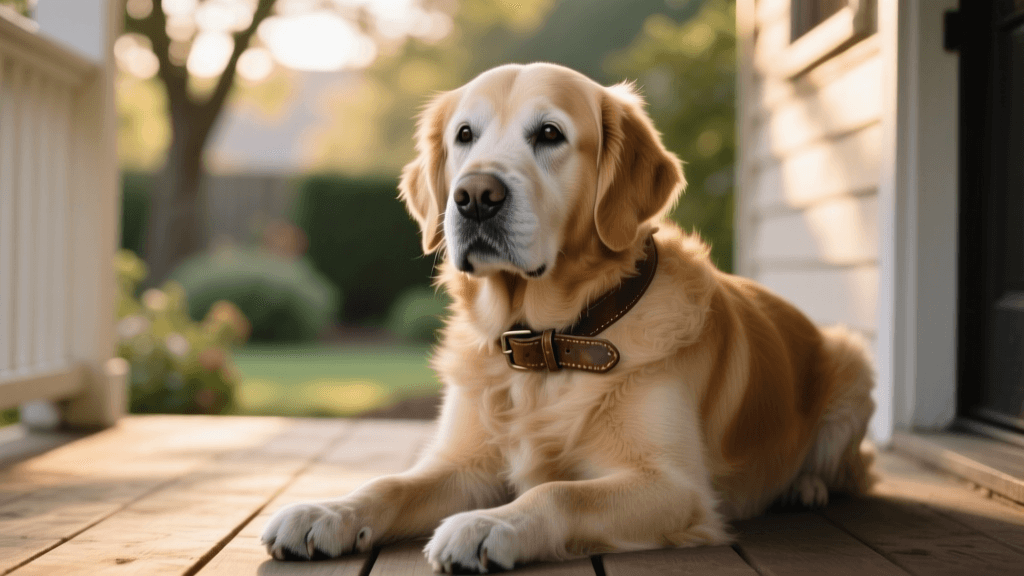
As your dog transitions into their senior life stage—typically between 7 and 10 years of age depending on breed size—their behavioral patterns can shift dramatically. Understanding your senior dog requires shifting your perspective from basic obedience training to empathetic cognitive care. Many owners mistake age-related behavioral changes for simple stubbornness or normal aging, but these shifts are often rooted in profound neurological changes. Just like humans, aging dogs can experience a decline in brain function, altered neurotransmitter levels, and increased oxidative stress, all of which directly impact how they perceive and interact with their environment.
At a neurological level, the aging canine brain often accumulates beta-amyloid proteins, forming plaques that disrupt neural communication. This physical degradation leads to a decrease in dopamine and serotonin, neurotransmitters responsible for mood regulation, focus, and spatial awareness. When we understand that a senior dog's confusion or anxiety is a biological reality rather than a behavioral choice, we can approach their life stage care with the patience and specialized support they truly need.
Recognizing the Signs: The DISHA Framework
Veterinary behaviorists utilize the DISHA acronym to categorize the psychological and behavioral symptoms of Canine Cognitive Dysfunction (CCD). Recognizing these signs early allows for interventions that can slow progression and improve your dog's quality of life.
Disorientation
A senior dog with cognitive decline may wander aimlessly, get stuck behind furniture, or stare blankly at walls. They might walk toward the hinge side of a door, unable to process how to navigate around it. This spatial confusion is a direct result of deteriorating cognitive mapping in the brain.
Interactions
You may notice a shift in how your dog interacts with you and other pets. A previously independent dog might develop severe clinginess and separation anxiety, while a formerly affectionate dog may become irritable, withdrawn, or unresponsive to their name. These changes stem from an inability to process social cues and a heightened baseline of anxiety.
Sleep-Wake Cycle Disruptions
Often referred to as 'sundowning' in human dementia, senior dogs may sleep deeply all day and pace, pant, or whine relentlessly at night. Their internal circadian rhythms become fragmented due to decreased melatonin production and altered brain chemistry.
House Soiling
A fully house-trained dog may begin having accidents indoors. In the context of CCD, this is rarely spite or a lack of training; rather, the dog has simply forgotten the house-training protocol or lacks the cognitive awareness to signal their need to go outside.
Activity Changes
Activity changes manifest in two extremes: apathy or repetitive behaviors. Your dog may lose interest in walks, toys, and exploration. Conversely, they might develop compulsive behaviors such as rhythmic pacing, licking floors, or snapping at imaginary flies.
Life Stage Care Guide: Managing Senior Behavioral Shifts
Addressing senior dog behavior requires a multi-modal approach combining environmental modifications, nutritional support, and gentle mental enrichment. Below is an actionable guide to adapting your home and routine for an aging mind.
Environmental Modifications for Cognitive Mapping
When a dog's spatial awareness declines, a familiar home can suddenly feel like a maze. To reduce anxiety and prevent injuries:
- Install Nightlights: Place motion-sensor LED nightlights in hallways and near potty areas. This aids dogs suffering from concurrent vision loss (like lenticular sclerosis) and helps anchor their cognitive map at night.
- Use Non-Slip Rugs: Senior dogs often have concurrent osteoarthritis. Slipping causes panic and exacerbates confusion. Cover hardwood floors with non-slip runners.
- Provide Orthopedic Support: Invest in a high-quality bed like the Big Barker 7-inch Orthopedic Dog Bed (approx. $239). Its therapeutic foam prevents joint pain from waking them up, which can otherwise trigger nighttime disorientation and pacing.
- Ramps and Steps: Use the PetSafe CozyUp Folding Pet Steps ($45) or build custom ramps with a strict 1:3 slope ratio (1 inch of rise for every 3 inches of length) to help them access furniture safely without cognitive strain.
Nutritional and Supplement Interventions
Brain health in the senior life stage relies heavily on targeted nutrition. According to the American Kennel Club, diets rich in antioxidants and medium-chain triglycerides (MCTs) can provide alternative energy sources for aging brain cells.
- MCT Oils: Consider switching to a brain-support diet like Purina Pro Plan Bright Mind, or supplement with coconut oil (start with 1/4 teaspoon per 10 lbs of body weight daily) to provide ketones for brain fuel.
- Cognitive Supplements: Products containing phosphatidylserine, such as Senilife or Zesty Paws Advanced Senior Bites ($28), help protect neuronal membranes. Administer these supplements consistently with the morning meal for optimal absorption.
- Melatonin for Sundowning: To combat nighttime pacing, consult your vet about melatonin. A standard starting dose is 1mg to 3mg (depending on weight) given exactly 2 hours before bedtime to help reset their circadian rhythm.
Mental Enrichment for the Senior Mind
Aging brains need stimulation to maintain neural pathways, but high-impact physical exercise is no longer appropriate. Shift to low-impact, high-reward scent work.
- Snuffle Mats: Hide kibble in a wool snuffle mat ($25) to encourage natural foraging instincts. This provides mental exhaustion equivalent to a long walk, without stressing aging joints.
- Puzzle Toys: Use the KONG Senior ($15), which features a softer, gentler rubber compound designed specifically for aging teeth and gums. Fill it with mashed sweet potato and freeze it for a soothing, cognitively engaging treat.
Senior Dog Life Stage Care Checklist & Estimated Costs
Budgeting for your dog's senior years is an essential part of life stage care. Below is a structured breakdown of recommended interventions and their associated costs.
| Intervention Category | Specific Product / Action | Purpose | Estimated Cost |
|---|---|---|---|
| Sleep & Comfort | Big Barker 7-inch Orthopedic Bed | Joint support, reducing pain-induced wakefulness | $239.00 |
| Mobility | PetSafe CozyUp Folding Pet Steps | Safe access to furniture, reducing spatial anxiety | $45.00 |
| Nutrition | Purina Pro Plan Bright Mind (30lb) | MCT oil for alternative brain energy | $65.00 |
| Supplements | Senilife or Zesty Paws Senior Bites | Antioxidants and phosphatidylserine | $25 - $30 |
| Enrichment | Wool Snuffle Mat & KONG Senior | Low-impact cognitive stimulation | $40.00 |
| Environment | Motion-Sensor LED Nightlights (4-pack) | Visual anchors for nighttime navigation | $15.00 |
Differentiating CCD from Sensory and Physical Decline
Before assuming a behavioral shift is purely cognitive, it is vital to rule out physical ailments. Research from Texas A&M Veterinary Medicine emphasizes that untreated pain, hypothyroidism, or sensory loss can perfectly mimic the signs of cognitive dysfunction.
For example, a dog that snaps when petted may not be irritable due to CCD; they may be suffering from severe cervical spine pain. A dog that soils the house may not have forgotten their training; they could be experiencing age-related kidney decline or a urinary tract infection. The ASPCA strongly recommends bi-annual senior wellness blood panels and orthopedic evaluations to establish a baseline of physical health before pursuing behavioral or psychiatric medications like Selegiline (Anipryl).
Patience is the most critical tool in the senior dog care kit. Your dog is not misbehaving; they are navigating a world that is becoming increasingly confusing to them. Your role shifts from trainer to caregiver and guide.
Conclusion: Embracing the Golden Years
Understanding the psychology behind your senior dog's behavior transforms frustration into compassion. By recognizing the DISHA signs, implementing targeted environmental modifications, and providing brain-supporting nutrition, you can significantly enhance your dog's twilight years. The senior life stage requires an investment of time, empathy, and resources, but the reward is a deeply bonded, comfortable companion who feels safe and understood in their golden years.
jonas-cole
All our authors care for dogs every day — read more of their work on the authors page.