Understanding Senior Dog Behavior and Cognitive Changes
Learn how aging affects your dog's brain and behavior. Discover actionable tips, supplements, and environmental tweaks to support senior dog cognitive health.
The Psychology of the Aging Canine Brain
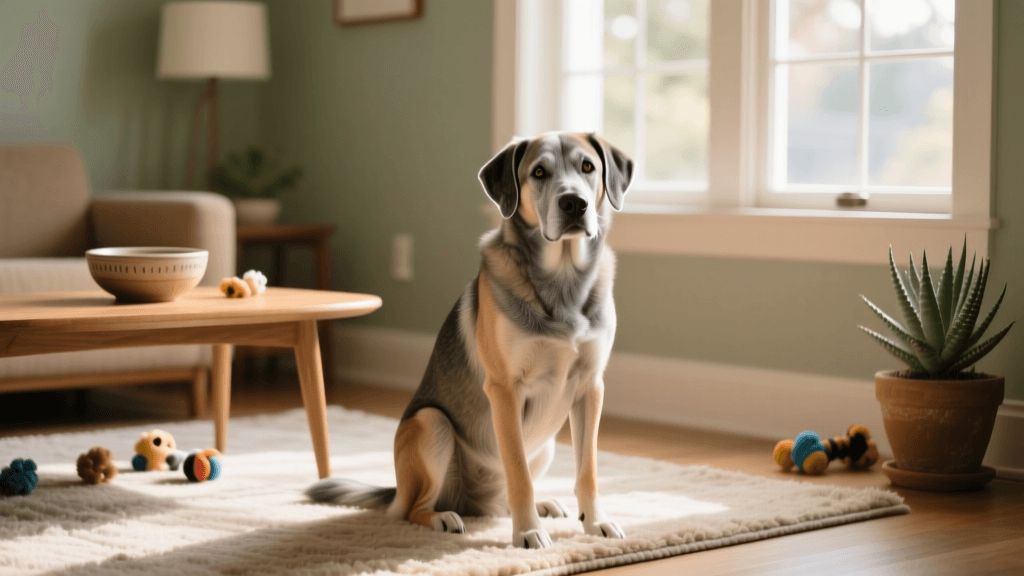
As dogs enter their senior years—typically around age 7 to 10, depending on the breed and size—their psychological and cognitive landscapes undergo profound shifts. Just like humans, aging dogs experience changes in brain chemistry, reduced cerebral blood flow, and the accumulation of beta-amyloid proteins. These physiological changes directly impact canine behavior, often manifesting as confusion, altered sleep patterns, and a decreased threshold for environmental stress.
Understanding these shifts is crucial for any dedicated dog owner. It is not merely 'old age'; it is often a recognized psychological condition known as Canine Cognitive Dysfunction Syndrome (CDS). According to the ASPCA, CDS affects a significant portion of the senior dog population, yet many owners mistake the symptoms for normal, unavoidable aging. By recognizing the psychological and neurological roots of these behavioral changes, we can intervene with targeted care, empathy, and science-backed strategies to drastically improve their twilight years.
Recognizing the Signs: The DISHAA Assessment
Veterinary behaviorists use the DISHAA acronym to evaluate cognitive decline in senior dogs. Monitoring these specific categories helps you differentiate between normal physical aging and true cognitive dysfunction. If your dog exhibits two or more signs from the CDS column below, it is time to consult your veterinarian.
| Category | Normal Aging Behavior | Cognitive Dysfunction (CDS) Sign |
|---|---|---|
| Disorientation | Occasionally bumps into things in the dark or unfamiliar places. | Gets stuck behind furniture, stares blankly at walls, gets lost in familiar rooms. |
| Interactions | Sleeps more, but greets family normally and seeks affection. | Becomes unusually clingy, irritable, fails to recognize family members, or withdraws. |
| Sleep-Wake Cycles | Wakes up for potty breaks, then settles back down to sleep. | Paces endlessly at night, vocalizes, sleeps all day and is awake all night. |
| House Soiling | May have slight accidents if held too long or due to mobility issues. | Forgets house training, urinates indoors immediately after coming back inside. |
| Activity Levels | Slower on walks, less enthusiastic about high-energy play. | Apathetic, repetitive licking, wandering aimlessly without purpose or destination. |
| Anxiety | Mild stress during thunderstorms, fireworks, or vet visits. | Severe separation anxiety, constant panting, trembling, fear of familiar people/places. |
Actionable Environmental and Psychological Enrichment
A dog's brain thrives on novelty and problem-solving, even in their twilight years. However, senior dogs require modified enrichment that accounts for reduced mobility, joint pain, and sensory decline (such as vision and hearing loss). Mental stimulation helps build new neural pathways and delays cognitive decay.
Recommended Brain Games and Tools
- Scent Work and Snuffle Mats: Since olfaction is often the last sense to decline, engage your dog's nose. Invest in a high-quality snuffle mat (like the PAW5 Wooly Snuffle Mat, approx. $45). Hide 1/4 cup of their daily kibble or low-calorie treats (e.g., Zuke's Mini Naturals) in the mat. Limit sessions to 10-15 minutes twice a day to prevent frustration and fatigue.
- Modified Puzzle Toys: Avoid complex, multi-step puzzles that require heavy paw manipulation, which can exacerbate arthritis. Instead, use the Outward Hound Nina Ottosson Dog Brick (Level 2 Intermediate, approx. $15). Freeze a mixture of low-sodium chicken broth and plain pumpkin puree inside to provide a soothing, long-lasting cognitive challenge that also aids hydration.
- Routine and Predictability: Senior dogs rely heavily on spatial memory. Keep food bowls, water stations, and orthopedic beds in the exact same location. Changing the furniture layout can cause severe psychological distress and disorientation in a dog with CDS.
Nutritional and Supplement Support for Brain Health
The aging canine brain requires specific nutrients to combat oxidative stress and support neural pathways. While you should always consult your vet before starting new supplements, the following are widely recommended in veterinary neurology for senior life stage care:
- MCT Oil (Medium-Chain Triglycerides): The aging brain struggles to metabolize glucose efficiently. MCT oil provides an alternative energy source (ketones) for the brain. A standard starting dose is 1/4 teaspoon per 10 pounds of body weight, mixed into wet food once daily. A 16oz bottle of high-quality, pet-safe MCT oil (like Zesty Paws or Native Pet) costs around $20 and lasts about two months for a medium-sized dog.
- Omega-3 Fatty Acids (EPA/DHA): Crucial for reducing neuroinflammation. Look for a triglyceride-form fish oil with a combined EPA/DHA concentration of at least 1000mg per daily dose for a 50lb dog. Brands like Nordic Naturals Omega-3 Pet (approx. $25) are highly bioavailable and support both joint and brain health.
- Prescription Neuro-Care Diets: For dogs diagnosed with CDS, veterinary-prescribed diets (such as Hill's Prescription Diet b/d or Purina Pro Plan Veterinary Diets NC NeuroCare) are clinically proven to improve alertness and social interaction within 30 to 90 days. These diets typically cost between $80 and $110 for a 27lb bag.
Creating a Senior-Friendly Safe Space
Psychological comfort is deeply tied to physical comfort. A dog experiencing cognitive decline often feels vulnerable and may develop separation anxiety or nighttime pacing. Creating a designated 'safe zone' can anchor their psychology.
- Orthopedic Support: Invest in a memory foam bed with a minimum thickness of 4 inches to alleviate joint pressure and prevent pressure sores. The FurHaven Orthopedic Dog Bed (approx. $60-$90 depending on size) provides excellent support and features low-profile edges for easy access.
- Lighting and Navigation: Dogs with CDS often suffer from 'sundowning'—increased confusion and anxiety as the sun sets. Install motion-sensor LED nightlights (approx. $15 for a 4-pack) along the hallways leading to their potty area and sleeping zone. This simple environmental tweak reduces nighttime disorientation and prevents accidents.
- Pheromone Therapy: Use an Adaptil Calm Home Diffuser (approx. $50 for the starter kit) in your dog's primary resting area. The synthetic dog-appeasing pheromone mimics the comforting signals of a nursing mother, which has been clinically shown to reduce chronic stress and pacing in senior dogs.
When to Consult a Veterinary Behaviorist
If environmental modifications and over-the-counter supplements do not yield improvements after 4 to 6 weeks, or if your dog exhibits severe anxiety, vocalization, or aggression, seek the help of a board-certified veterinary behaviorist. A specialized consultation typically costs between $300 and $500, but it provides a tailored, medically sound behavior modification plan.
As noted by experts at VCA Hospitals, prescription medications like Selegiline (Anipryl) can help increase dopamine levels in the brain, significantly improving cognitive function and reducing anxiety in dogs with CDS. Furthermore, the American Kennel Club emphasizes that regular, gentle veterinary check-ups—every six months for senior dogs—are essential to rule out underlying pain conditions like osteoarthritis or dental disease, which can mimic or severely exacerbate cognitive decline. By combining medical science with empathetic environmental care, you can ensure your senior dog's mind remains as vibrant as their heart.
beth-carrasco
All our authors care for dogs every day — read more of their work on the authors page.