Understanding Your Adolescent Dog: Surviving the Teen Phase
Discover why your adolescent dog is acting out. Learn the psychology behind the teenage phase, fear periods, and actionable training tips to survive it.
The Psychology of the Canine Teenager
When your once-obedient puppy suddenly forgets every command they ever learned, you are likely witnessing the onset of canine adolescence. Spanning roughly from six to eighteen months of age, this life stage is notoriously challenging for dog owners. However, understanding the psychological and physiological shifts occurring within your dog's brain can transform frustration into empathy. This guide delves into the behavioral science of the 'teenage' dog and provides actionable, life-stage-specific care strategies to help you both thrive.
The adolescent canine brain is undergoing a massive remodeling process. Much like human teenagers, adolescent dogs experience a surge in sex hormones (if intact) and a significant reorganization of their neural pathways. The prefrontal cortex—the area of the brain responsible for impulse control, decision-making, and emotional regulation—is essentially under construction. This biological reality explains why your dog might suddenly become easily distracted, highly reactive, or seemingly stubborn. They are not deliberately defying you; their neurological hardware is temporarily overwhelmed. During this window, the brain's reward system is hyper-responsive to environmental stimuli, meaning a blowing leaf or a distant squirrel is infinitely more rewarding than your high-value treats.
Recognizing the Second Fear Period
Between the ages of six and fourteen months, many dogs enter what behaviorists call the 'second fear period.' According to the American Kennel Club (AKC), this developmental stage is an evolutionary holdover designed to keep young canids cautious as they begin to explore further from the safety of their den. During this time, a dog may suddenly become terrified of objects, people, or environments they previously ignored or enjoyed.
Forcing an adolescent dog to interact with their triggers during this sensitive window can result in lifelong phobias. The Fear Free Pets organization strongly advises against flooding (forcing exposure) and instead recommends giving the dog space and utilizing counter-conditioning techniques to rebuild their confidence. If your dog suddenly balks at walking past a specific trash can or refuses to enter a familiar room, do not drag them. Instead, increase your distance from the trigger and reward them for calm behavior, gradually closing the gap over days or weeks.
Puppy vs. Adolescent Behavior: A Comparison
Understanding how your dog's motivations shift as they age is critical for adjusting your training expectations. Below is a comparison chart highlighting the behavioral differences between early puppyhood and adolescence.
| Behavioral Trait | Early Puppyhood (8-16 Weeks) | Adolescence (6-18 Months) |
|---|---|---|
| Primary Motivation | Food, warmth, and proximity to owner. | Environmental exploration, play, and peer interaction. |
| Recall Reliability | High; naturally follows owner everywhere. | Low; easily distracted by scents and distant movement. |
| Fear Responses | Startle easily but recover quickly with comfort. | May develop fixed fears or avoidance behaviors. |
| Chewing Habits | Driven by teething pain and oral exploration. | Driven by boredom, anxiety, and jaw strengthening. |
| Social Drive | Wants to interact with all humans and dogs. | Becomes more selective; may show same-sex reactivity. |
Actionable Training and Management Strategies
Surviving the teenage phase requires shifting your focus from strict obedience to relationship-building and management. Here are specific, actionable strategies tailored to the adolescent life stage.
1. Implement 'Sniffari' Decompression Walks
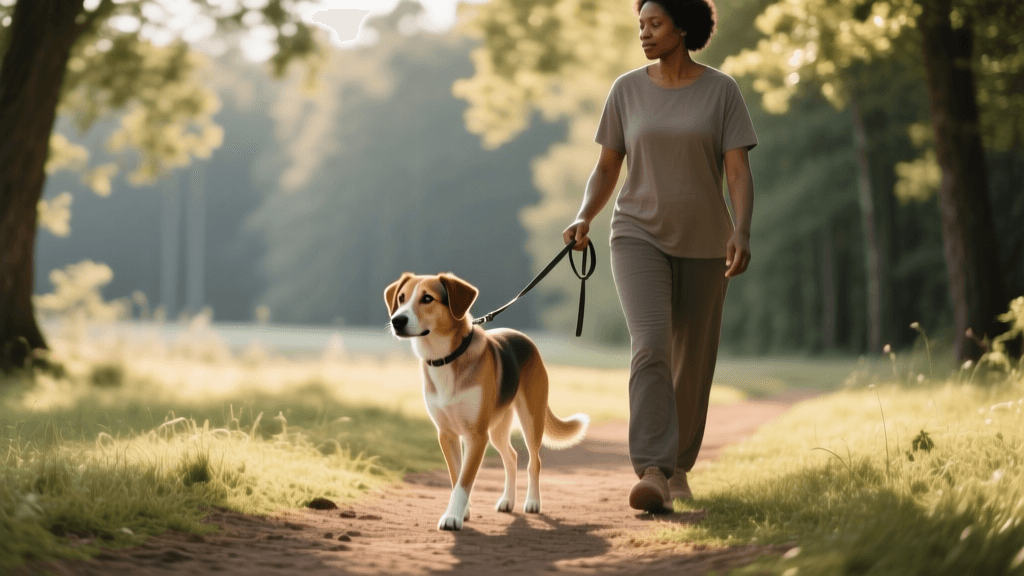
Adolescent dogs have a biological imperative to patrol and scent-mark. Traditional structured 'heel' walks can actually increase frustration and leash reactivity during this life stage. Instead, implement 'Sniffari' walks 3 to 4 times a week. Equipment needed: A 15-foot Biothane long lead (Cost: $30-$45) and a well-fitted Y-front harness (Cost: $25-$40) that allows full shoulder extension. Execution: Go to a quiet, grassy area and let your dog dictate the pace and direction. Sniffing lowers a dog's heart rate and provides immense mental fatigue. Twenty minutes of intense sniffing can be as tiring as an hour of physical running.
2. Upgrade Mental Enrichment Tools
Because the adolescent brain craves novelty and problem-solving, feeding from a standard bowl is a missed opportunity. Ditch the food bowl entirely and use puzzle feeders to engage their foraging instincts. The ASPCA highlights that mental enrichment significantly reduces destructive behaviors born from boredom. Product recommendations: The Outward Hound Nina Ottosson Dog Brick Puzzle ($30) is excellent for intermediate problem-solving. For power chewers, the classic KONG ($15) stuffed with a mixture of plain Greek yogurt, mashed blueberries, and kibble, then frozen for 4 hours, provides a soothing, time-consuming activity that satisfies their urge to chew while releasing endorphins.
3. Utilize Calming Pheromones for Environmental Stress
If your adolescent dog is struggling with the second fear period or showing signs of generalized anxiety (pacing, panting, inability to settle), synthetic pheromones can provide a neurological safety net. The Adaptil Calm Collar ($25-$35) releases a synthetic copy of the dog-appeasing pheromone (DAP) produced by nursing mothers. While not a cure-all, it lowers the baseline arousal level, making your dog more receptive to counter-conditioning and training. Ensure the collar is fitted snugly against the skin (allowing two fingers underneath) and replace it every 30 days.
Socialization Maintenance and Peer Selectivity
A common misconception is that socialization ends once puppyhood concludes. In reality, adolescent dogs require 'socialization maintenance' to prevent them from becoming leash-reactive or fearful. However, the goal shifts from 'meeting everyone' to 'neutral observation.' Your dog no longer needs to greet every dog or person they see; they simply need to learn how to coexist in the same space without reacting. Practice the 'Look at That' (LAT) game: when your dog notices a trigger at a distance, mark the behavior with a 'yes' and feed a high-value treat (like boiled chicken or freeze-dried liver) before they have a chance to bark or lunge. This rewires the brain to associate distant triggers with positive outcomes rather than a need to react.
Nutritional and Physical Adjustments for Teens
While their behavior is maturing, their skeletal system is still vulnerable. For medium to large breed dogs, growth plates do not fully close until 14 to 24 months of age. Repetitive, high-impact activities such as agility jumping, frisbee catching, or running alongside a bicycle can cause micro-fractures and lead to early-onset joint dysplasia. Stick to hiking, swimming, and long-line sniffing until your veterinarian confirms via X-ray that the growth plates have fused. Nutritionally, ensure you are feeding a diet formulated for your dog's specific size trajectory. Large breed puppies should remain on a Large Breed Puppy formula (which restricts calcium and caloric density to slow growth rates) well into their first year, rather than transitioning to adult food too early.
Conclusion
The adolescent phase is a test of patience, but it is also a profound window into your dog's developing personality. By understanding the neurological remodeling, respecting the second fear period, and providing structured outlets for their physical and mental energy, you can guide your teenage dog through this turbulent time. Remember, consistency and empathy are your greatest tools. The investment you make in relationship-building during these challenging months will lay the foundation for a deeply bonded, well-adjusted adult dog.
anouk-beaumont
All our authors care for dogs every day — read more of their work on the authors page.