Adopting a Senior Dog: Home Prep and First-Day Essentials
Learn the essentials of adopting a senior dog. Discover home prep tips, average veterinary costs, and first-day care advice for your older canine companion.
Embracing the Golden Years: Why Adopt a Senior Dog?
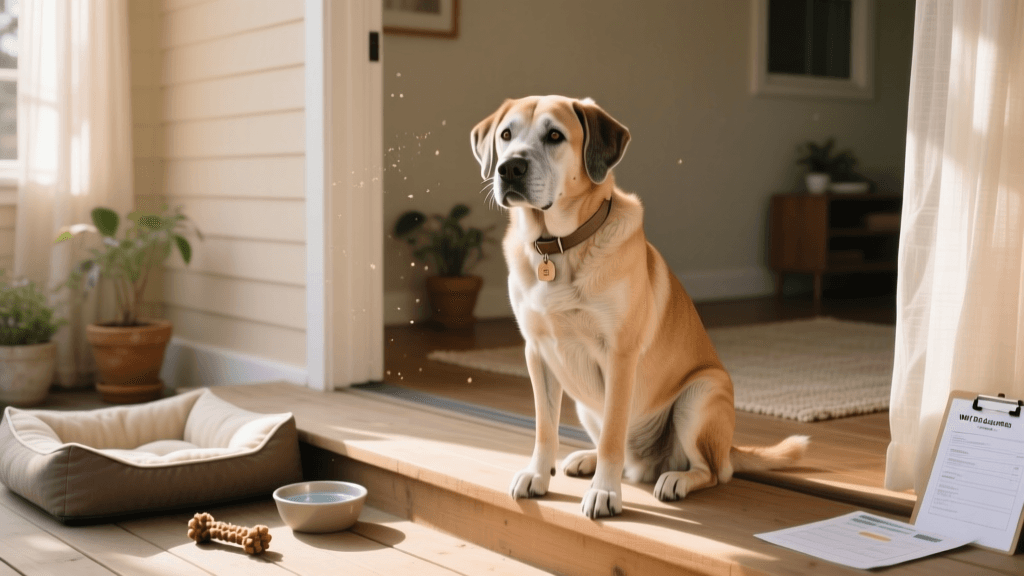
When most people decide to bring a new canine companion into their lives, their minds immediately jump to the playful, energetic, and often chaotic world of puppies. However, from a life stage care perspective, adopting a senior dog is one of the most profoundly rewarding decisions a prospective pet owner can make. Senior dogs offer a unique set of advantages: they are often already house-trained, possess established personalities, and require less strenuous physical exercise than their younger counterparts. Yet, welcoming an older dog into your home requires a distinct approach to preparation, environmental management, and veterinary care. This comprehensive guide will walk you through the essential steps of preparing your home, managing first-day expectations, and understanding the financial and medical realities of adopting a senior dog.
Defining the Senior Life Stage in Dogs
Before you can adequately prepare for a senior dog, it is crucial to understand what 'senior' actually means in the canine world. The aging process in dogs is not strictly linear and is heavily influenced by breed size and genetics. According to the American Veterinary Medical Association (AVMA), small breeds (under 20 pounds) may not be considered seniors until they reach 10 to 12 years of age. Medium breeds typically enter their senior years around 8 to 9 years old, while large and giant breeds (over 50 pounds) can exhibit senior characteristics as early as 5 to 6 years of age. Understanding your prospective dog's specific life stage helps tailor your home environment and veterinary care plan to their exact physiological needs.
Preparing Your Home for an Aging Canine
Preparing your home for a senior dog goes beyond buying a leash and a bowl. Older dogs frequently deal with osteoarthritis, diminished vision, hearing loss, and reduced mobility. Making proactive environmental modifications will ensure your new companion feels safe and comfortable from the moment they arrive.
1. Orthopedic Bedding and Joint Support
Standard dog beds often lack the necessary support for aging joints. Invest in a high-quality orthopedic bed featuring a minimum of 4 inches of high-density memory foam. Beds with bolsters can provide a sense of security and a comfortable place to rest their heads. Place these beds in quiet, draft-free areas of your home, away from high-traffic zones but close enough to the family to prevent isolation.
2. Ramps, Stairs, and Accessibility
Jumping on and off furniture or navigating steep staircases can cause severe injuries to a senior dog's compromised joints. If your dog will be allowed on beds or sofas, purchase pet ramps or stairs. When selecting a ramp, look for a gentle slope; veterinary physical therapists generally recommend an incline of no more than 18 to 20 degrees for dogs with arthritis. Ensure the surface is covered in high-traction material to prevent slipping.
3. Non-Slip Flooring Solutions
Hardwood, tile, and laminate floors are notoriously slippery and can be terrifying for an older dog with weakened hind legs. Lay down interlocking foam mats, yoga mats, or area rugs with heavy-duty non-slip backing in the primary pathways your dog will use to navigate the house. This simple modification can drastically reduce the risk of painful falls and hip sprains.
4. Elevated Feeding Stations
Bending down to eat and drink can put unnecessary strain on a senior dog's neck, shoulders, and spine. Measure the distance from the floor to your dog's lower chest (the withers) and select an elevated bowl stand that allows them to eat with their neck in a neutral, horizontal position. This is particularly vital for large, deep-chested breeds to aid in digestion and comfort.
The First-Day Essentials and the 3-3-3 Rule
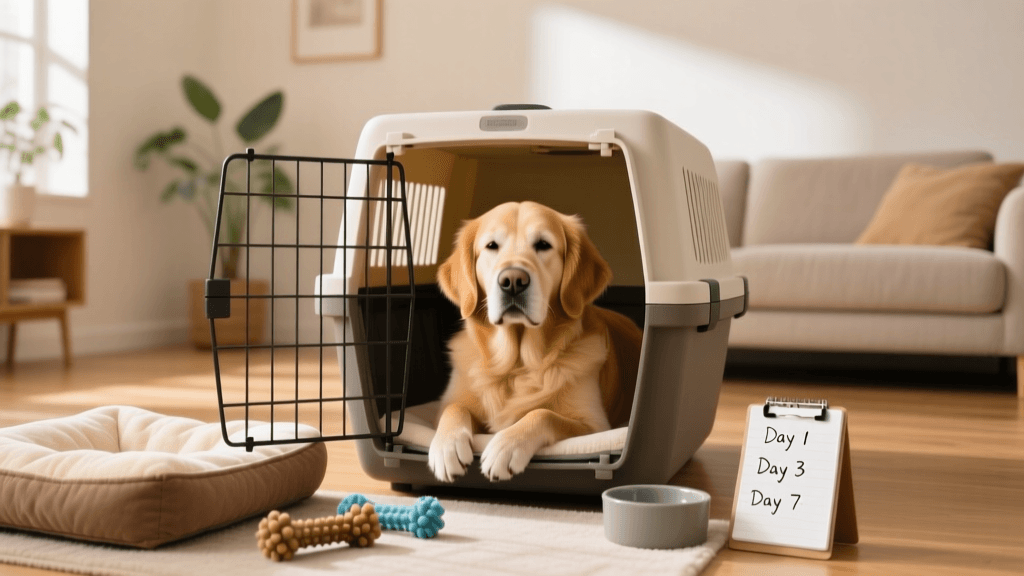
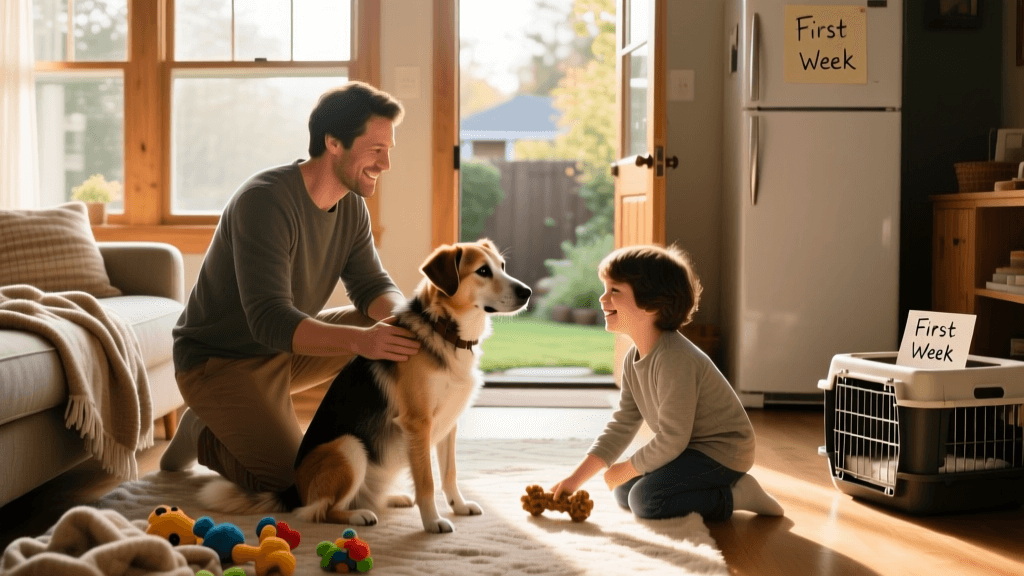
The first day with a senior dog should be centered around decompression. Older dogs may experience a more profound sense of confusion and grief when leaving a familiar environment or shelter. Animal behaviorists widely recommend the '3-3-3 Rule' for rescue dogs: 3 days to decompress, 3 weeks to learn your routine, and 3 months to truly feel at home.
'Patience is the most important tool you have when bringing home a senior dog. Their bodies may be tired, and their minds may be overwhelmed. Give them the grace of time to adjust to their new normal.' — Canine Behavior Specialist
First-Day Checklist:
- Quiet Zone: Set up a confined, quiet space (like a gated living room corner or a spacious exercise pen) with their orthopedic bed, water, and a few low-stimulation chew toys.
- Frequent, Gentle Potty Breaks: Senior dogs have smaller bladder capacities and weaker sphincter muscles. Plan for short, gentle potty breaks every 2 to 3 hours on the first day, rather than long, exhausting walks.
- Sensory Considerations: If your dog has cataracts or diminished hearing, approach them from the front where they can see you, and use gentle scent cues (like letting them sniff your hand) before initiating physical contact.
Financial Planning: Puppy vs. Senior Dog Costs
One of the most common misconceptions is that senior dogs are 'cheaper' to adopt because the initial purchase price or adoption fee is lower. While the upfront adoption fee may be discounted, the medical and supportive care costs for a senior dog in their first year can be significantly higher than those for a healthy puppy. Below is a comparative breakdown of estimated first-year costs.
| Expense Category | Puppy (Under 1 Year) | Senior Dog (7+ Years) |
|---|---|---|
| Adoption / Purchase Fee | $200 - $2,500+ | $50 - $300 |
| Initial Veterinary Workup | $150 - $300 (Vaccines, Spay/Neuter) | $300 - $600 (Senior Blood Panel, Dental) |
| Specialized Gear (Beds, Ramps) | $50 - $150 (Crate, Teething Toys) | $200 - $450 (Orthopedic Bed, Ramps) |
| Preventative Medications | $150 - $250 | $150 - $250 |
| Supplements & Specialized Diet | $50 - $100 | $200 - $500 (Joint, Cognitive, Renal) |
| Pet Insurance Premiums | $30 - $50 / month | $70 - $120+ / month (or excluded) |
| Estimated First-Year Total | $930 - $3,450+ | $970 - $2,220+ |
Note: Senior dogs often require immediate dental extractions or osteoarthritis management, which can cause spikes in veterinary bills during the first six months of adoption.
Crucial Veterinary Screenings for Senior Adoptions
Within the first two weeks of adoption, schedule a comprehensive geriatric wellness exam. The ASPCA recommends that senior dogs visit the veterinarian at least twice a year, as health conditions can progress rapidly in older animals. Request the following specific screenings:
- Comprehensive Geriatric Blood Panel: This should include a complete blood count (CBC), chemistry panel, and a thyroid test (T4) to establish baseline organ function and rule out hypothyroidism.
- Urinalysis: Crucial for detecting early signs of kidney disease, diabetes, or urinary tract infections, which are highly prevalent in older dogs.
- Osteoarthritis and Mobility Evaluation: Your vet can assess joint health and prescribe NSAIDs, Gabapentin, or recommend joint injections like Adequan to manage pain and improve quality of life.
- Dental Assessment: Periodontal disease is a silent killer in senior dogs, leading to systemic infections that affect the heart and kidneys. Plan for a professional dental cleaning under anesthesia if deemed safe by your veterinarian.
Nutrition and Cognitive Enrichment
Aging dogs require nutritional adjustments to support their changing bodies. According to the American Kennel Club (AKC), senior dogs generally need fewer calories due to a slower metabolism, but higher quality, easily digestible proteins to prevent muscle wasting. Look for diets fortified with Omega-3 fatty acids (EPA and DHA) to support joint health and cognitive function.
Mental enrichment is just as critical as physical care. While they may not be able to run miles on a trail, senior dogs still need mental stimulation to stave off Canine Cognitive Dysfunction (doggie dementia). Utilize soft, senior-specific puzzle toys (like the Kong Senior, which is made from a gentler rubber compound) and engage in daily, low-impact scent work games in the living room or backyard.
Final Thoughts on Senior Dog Adoption
Choosing to adopt a senior dog is a profound commitment to providing a soft landing for an animal in their twilight years. By proactively modifying your home environment, preparing for the specific financial realities of geriatric care, and approaching their first days with patience and empathy, you set the stage for a beautiful, deeply bonded relationship. The golden years of a dog's life can truly be the best years, provided they are supported by an owner who understands and respects their unique life stage needs.
anouk-beaumont
All our authors care for dogs every day — read more of their work on the authors page.