Best Dog Breeds for Agility & Flyball Competitions in 2026
Discover the best dog breeds, structural traits, and early training tips for agility and flyball competitions in 2026. Start your sports journey right.
The 2026 Landscape of Canine Sports: Why Selection Matters
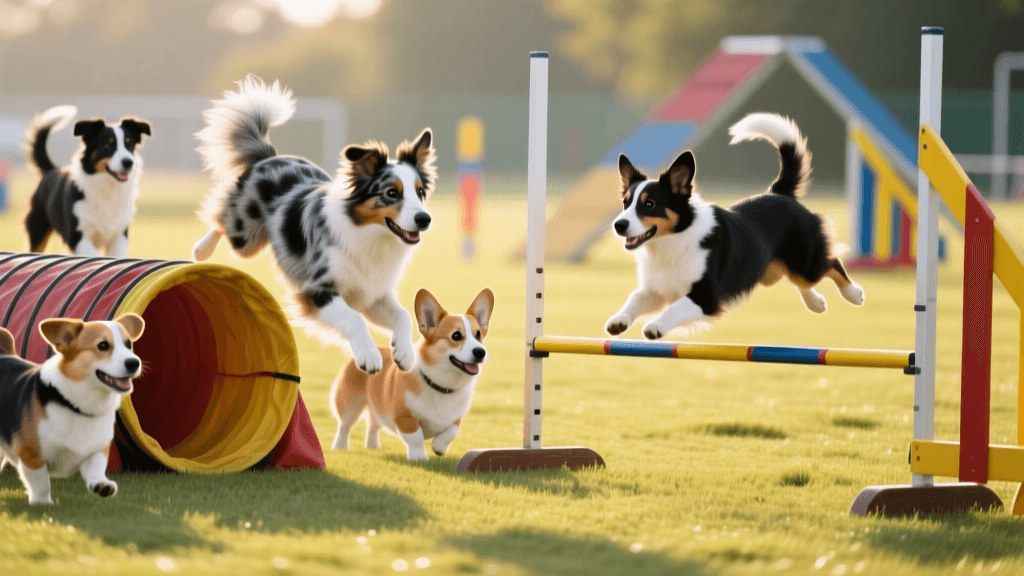
Getting a dog is a monumental decision, but when your goal is to compete in high-octane canine sports like agility and flyball, the selection process requires a highly specialized approach. As we navigate the 2026 competitive season, organizations like the American Kennel Club (AKC) and the North American Flyball Association (NAFA) have continued to evolve their course designs and jump height regulations. Modern courses place a massive premium on canine biomechanics, tight turning ability, and mental resilience. You cannot simply pick a cute puppy from a pet store and expect them to excel at the national level. The foundation of a successful sports dog is laid long before they ever see a weave pole or a flyball box—it starts with genetics, structure, and early neurological development.
In this comprehensive guide, we will break down exactly what to look for when selecting a puppy for agility and flyball in 2026, from the top-performing breeds to the specific structural traits and temperament tests that separate future champions from beloved couch potatoes.
Top Breeds for Agility and Flyball in 2026
While mixed breeds and rescue dogs can certainly compete and earn titles, if you are starting your search with the specific intent of reaching the highest echelons of dog sports, certain breeds dominate the podiums due to their selective breeding for drive, speed, and biddability.
1. The Border Collie (Working Lines)
The Border Collie remains the undisputed king of agility. However, in 2026, top handlers are strictly seeking working-line Border Collies rather than show lines. Working lines possess the intense 'eye,' explosive acceleration, and off-switch capability required for complex agility courses. They are highly biddable, meaning they look to their handler for direction, which is crucial for the tight, technical courses seen in modern competitions.
2. The Belgian Malinois
For handlers who prefer a dog with intense physical power and a high threshold for environmental stress, the Belgian Malinois is a top-tier choice. Malinois excel in both agility and flyball due to their relentless prey drive and physical durability. They require an experienced handler who understands how to channel their intense energy without creating frustration-based reactivity.
3. The Papillon
Do not let their small stature fool you. The Papillon is the most successful small breed in agility history. They possess the speed of a terrier but the trainability of a herding dog. For handlers who prefer the lower jump heights and tighter course times associated with the smaller height divisions, a well-bred, structurally sound Papillon is an elite choice.
4. The Whippet
In the world of flyball, raw speed is everything. The Whippet is the ultimate speed demon. While they may not have the tight turning radius of a herding dog for agility, their straight-line acceleration and ability to hit the flyball box at top speed make them highly sought after for competitive flyball relay teams.
Structural and Biomechanical Traits: Building the Athlete
A dog's temperament will get them to the ring, but their structure will keep them sound throughout a long career. Modern canine sports medicine in 2026 emphasizes the importance of selecting puppies with correct angulation to absorb the massive impact forces generated by jumping and turning. According to guidelines from the Orthopedic Foundation for Animals (OFA), structural faults can lead to early-onset osteoarthritis and soft tissue injuries.
When evaluating a litter, you must look beyond the parents' titles and critically assess their physical build. Here is a comparison of the structural requirements for the two primary sports:
| Physical Trait | Agility Focus | Flyball Focus |
|---|---|---|
| Shoulder Angulation | Moderate to well-laid back (approx. 45 degrees) for shock absorption on tight turns and A-frame descents. | Well-laid back for maximum forward extension and straight-line stride length. |
| Rear Assembly | Broad, muscular thighs with moderate hock angulation to allow for explosive jumping and rapid deceleration. | Highly angulated rear for explosive propulsion off the flyball box and rapid acceleration. |
| Topline & Back | Strong, level topline with a slight tuck-up. A roached or swayed back is a major fault for spinal health. | Strong, slightly arched loin for powerful galloping mechanics. |
| Paw Structure | Tight, well-arched 'cat feet' to provide grip on rubberized contact zones and prevent toe injuries. | Tight, thick-padded feet to withstand the repetitive impact of the box turn. |
Temperament and Drive: The Mental Game
Physical structure is useless if the dog lacks the mental fortitude to perform in a chaotic trial environment. In 2026, the most successful sports dogs exhibit a specific triad of temperamental traits: high prey drive, high biddability, and environmental stability.
- Prey Drive: This is the engine of your sports dog. It is the desire to chase, grab, and tug. Without high prey drive, you will struggle to build the speed and motivation necessary for competitive times.
- Biddability: This is the steering wheel. A dog with high prey drive but low biddability will run fast, but they will run right past you. Biddability is the innate desire to check in with the handler and work as a team.
- Environmental Stability: Trials are loud, crowded, and filled with barking dogs. A puppy that startles easily at sudden noises or shuts down when encountering strange footing will not survive the pressure of a national championship.
Evaluating a Litter for Sports Potential
When you visit a breeder at 6 to 7 weeks of age, you must conduct specific evaluations to gauge a puppy's sports potential. While the standard Volhard Puppy Aptitude Test is great for pet homes, sports handlers need to adapt the testing to measure drive and resilience.
The Sports Puppy Evaluation Checklist
- The Prey/Retrieval Test: Drag a small fleece tug on a string away from the puppy. Does the puppy chase it, grab it, and hold on? Do they try to bring it back to you, or do they take it and run? A puppy that chases, grips, and returns is showing the foundation for both tug-drive and retrieving.
- The Noise Sensitivity Test: While the puppy is engaged in eating or playing, drop a metal pan or play a sudden, loud sound recording from your phone. A good sports puppy will startle, immediately orient toward the sound to investigate, and quickly return to play. A puppy that cowers and refuses to re-engage lacks environmental stability.
- The Unstable Footing Test: Place a wobble board or a thick, uneven foam mat on the ground. Encourage the puppy to walk across it. Sports dogs must be confident on strange surfaces (like the teeter-totter or rubberized agility mats). A puppy that confidently navigates the wobbly surface is demonstrating excellent proprioceptive bravery.
Early Development and Growth Plate Safety
Once you have selected your future champion and brought them home, the early development phase is critical. In 2026, veterinary sports medicine strictly advises against repetitive, high-impact jumping until a dog's growth plates have fully closed. For medium and large breeds, this typically occurs between 14 and 18 months of age.
However, this does not mean your puppy should be kept in a crate. Early development should focus on proprioception and core strength. Using modern canine fitness equipment like peanut balls, K9 FitBones, and inflatable discs, you can teach your puppy body awareness without damaging their developing joints.
Safe Puppy Exercises (8 Weeks to 12 Months)
- Targeting: Teaching the puppy to place their front and rear paws on specific targets (like a small mat or a low, stable disc). This builds the rear-end awareness necessary for backing up and hitting contact zones later in life.
- Backing Up: Luring the puppy to walk backward in a straight line. This strengthens the hindquarters and improves spatial awareness.
- Surface Exploration: Taking the puppy on 'sniffaris' over varied natural terrain—logs, gravel, tall grass, and shallow water—to build micro-muscle stabilizers in their paws and legs.
Finding the Right Breeder vs. Rescue
While many incredible sports dogs have come from rescues, finding a rescue puppy with the predictable structure and drive required for elite competition is akin to finding a needle in a haystack. If your primary goal is high-level competition, partnering with a reputable breeder who actively competes in the sports you wish to pursue is the most reliable path.
A true sports breeder will health-test the parents (OFA hips, elbows, and eyes), titling them in the sports they breed for, and raising the puppies using Early Neurological Stimulation (ENS) and Early Scent Introduction (ESI) protocols. They will also be your greatest asset in evaluating the litter, as they have watched the puppies' daily interactions and can match the right puppy to your specific handling style and lifestyle.
Conclusion
Getting a dog for agility and flyball is a commitment to years of training, conditioning, and partnership. By focusing on working-line genetics, prioritizing correct biomechanical structure, and rigorously testing for environmental stability and prey drive, you set the stage for a successful and injury-free career. As the 2026 competition season continues to push the boundaries of canine athleticism, taking the time to select the right puppy will ensure that when you finally step up to the start line, you and your dog are ready to fly.
tom-renshaw
All our authors care for dogs every day — read more of their work on the authors page.