Labrador vs Golden Retriever: Best Family Dog Pick
Choosing between a Labrador and a Golden Retriever? Compare costs, grooming, temperament, and training to find the perfect family dog for your home.
The Retriever Rivalry: An Overview
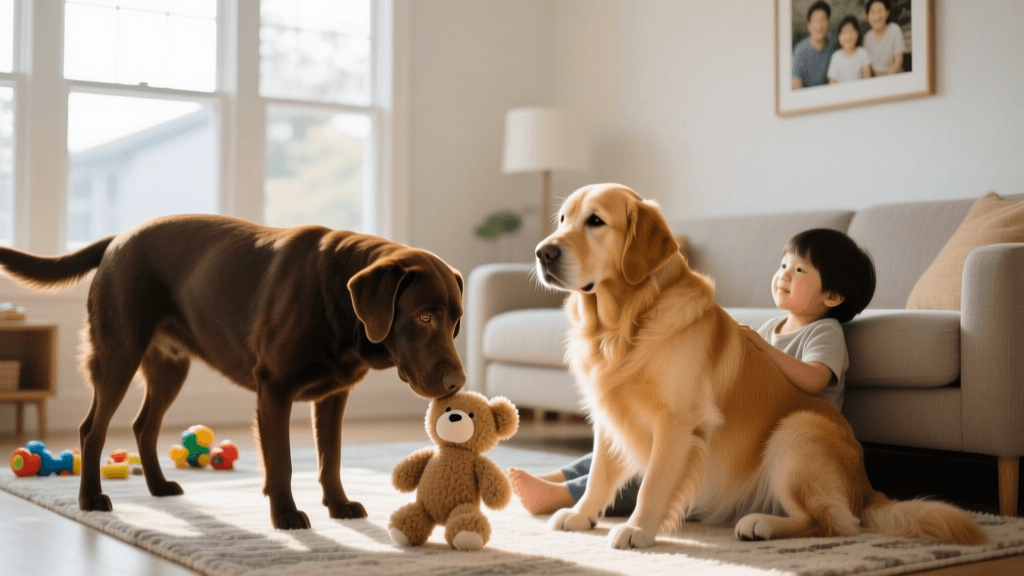
When families begin the exciting journey of bringing a new dog into their home, two breeds consistently dominate the shortlist: the Labrador Retriever and the Golden Retriever. Both breeds are renowned for their intelligence, loyalty, and gentle dispositions, making them staple choices for first-time dog owners and seasoned enthusiasts alike. According to the American Kennel Club's Labrador Retriever breed standard, the Lab has historically held the top spot for popularity in the United States for decades, while the Golden Retriever consistently ranks in the top three.
However, despite their shared lineage as sporting retrievers and their similar outward appearances, these two breeds possess distinct personality traits, grooming requirements, and health profiles. Choosing between them is not merely a matter of picking a coat color; it requires a deep dive into your family's lifestyle, activity level, and budget. In this comprehensive guide, we will break down the critical differences between the Labrador and the Golden Retriever to help you make an informed, confident decision.
Temperament: Boisterous vs. Sensitive
While both breeds are famously eager to please and highly trainable, their underlying temperaments differ in subtle but important ways. Labrador Retrievers are often described as the 'life of the party.' They are boisterous, outgoing, and possess a seemingly endless reservoir of enthusiasm. Labs are highly resilient, meaning they can handle the chaotic, noisy environment of a busy household with young children without becoming easily stressed.
Golden Retrievers, on the other hand, tend to be slightly more sensitive and observant. They are deeply attuned to their owners' emotions and thrive on gentle, positive reinforcement. A Golden may shut down or become anxious if subjected to harsh corrections or a consistently chaotic, loud environment. They are the thoughtful, gentle souls of the dog world.
Socialization Timelines
For both breeds, the critical socialization window occurs between 8 and 14 weeks of age. During this time, puppies should be exposed to a minimum of 100 different environmental stimuli, including various floor textures, loud household appliances, and diverse groups of people. Because Golden Retrievers can be more prone to timidity if under-socialized, it is crucial to prioritize gentle, positive exposure to strangers and other dogs during this developmental window.
Exercise Requirements and Training
Both the Labrador and the Golden Retriever are high-energy sporting dogs originally bred to work long hours in the field. Consequently, a casual 15-minute stroll around the block will not suffice for either breed. To prevent destructive behaviors born from boredom—such as chewing furniture or excessive barking—both breeds require a minimum of 60 to 90 minutes of vigorous exercise daily.
Actionable Exercise Plans
- The Labrador Plan: Labs excel in high-intensity, repetitive activities. Incorporate 30 minutes of fetch using a Chuckit! Launcher, followed by 30 minutes of swimming if a safe body of water is available. Labs are natural athletes and thrive in agility courses and dock diving.
- The Golden Retriever Plan: Goldens enjoy physical exercise but also crave mental stimulation. Combine 45 minutes of brisk hiking or jogging with 15 minutes of scent-work games. Hide treats in a snuffle mat or practice advanced obedience commands like 'find it' to engage their natural tracking instincts.
When it comes to training, keep sessions short and engaging. Both breeds respond best to 10 to 15-minute training intervals using high-value treats like freeze-dried liver or small pieces of boiled chicken. Utilizing puzzle toys, such as the Kong Classic Red stuffed with peanut butter and frozen overnight, can provide essential mental enrichment while you are at work.
Grooming Routines and Shedding Management
A common misconception is that short-haired dogs shed less than long-haired dogs. In reality, both the Labrador and the Golden Retriever possess dense, water-resistant double coats that shed moderately year-round and 'blow' their undercoats heavily during the spring and fall transitions.
Labrador Grooming
The Lab's short, dense coat is relatively low-maintenance. A weekly brushing session using a rubber curry brush or a bristle brush will help distribute natural oils and remove loose hair. During shedding season, upgrading to an undercoat rake or a deshedding tool like the Furminator for short hair can save your furniture. Baths should be given every 6 to 8 weeks using a gentle, oatmeal-based dog shampoo to prevent stripping the coat of its waterproofing oils.
Golden Retriever Grooming
Goldens require a more rigorous grooming commitment. Their longer feathering on the ears, chest, legs, and tail is prone to matting and tangles. You must brush a Golden Retriever at least 3 to 4 times a week using a slicker brush and a metal greyhound comb to ensure you are reaching the undercoat. Pay special attention to the areas behind the ears and the 'armpits' of the front legs, as these are prime spots for painful mats to form. Many Golden owners opt to hire a professional groomer every 8 weeks, which is an added cost to consider.
Health Profiles and Genetic Predispositions
Both breeds are generally robust and share a lifespan of 10 to 12 years, but they are predisposed to different genetic health conditions. Responsible breeders will provide Orthopedic Foundation for Animals (OFA) certifications for hips and elbows, as well as eye clearance from a veterinary ophthalmologist.
'While both breeds are prone to hip and elbow dysplasia, their systemic health risks diverge significantly. Prospective owners must be prepared for the specific veterinary realities associated with each breed.'
Labrador Health Concerns: Labs are notoriously food-motivated, making them highly susceptible to obesity. Excess weight exacerbates joint issues like dysplasia and arthritis. Additionally, Labs can be carriers of Exercise-Induced Collapse (EIC), a genetic disorder that causes muscle weakness and collapse after intense exercise. DNA testing for EIC is a must when selecting a breeder.
Golden Retriever Health Concerns: The most heartbreaking reality of owning a Golden Retriever is their high susceptibility to cancer. The Morris Animal Foundation's Golden Retriever Lifetime Study, one of the most comprehensive veterinary studies ever conducted, has highlighted that approximately 60% of Golden Retrievers will develop cancer in their lifetime, particularly hemangiosarcoma and lymphoma. Prospective owners should research breeders who prioritize longevity and track the cancer history of their breeding lines.
Financial Breakdown: What to Budget
Bringing a dog into your home is a significant financial commitment. While the initial purchase price is a factor, the long-term upkeep costs differ between the two breeds, primarily due to grooming and potential healthcare needs.
Initial and Annual Cost Estimates
- Puppy Purchase Price: $1,500 to $3,000 from a reputable, health-testing breeder for both breeds. Avoid backyard breeders or pet stores offering puppies for under $1,000, as these dogs often come with hidden medical and behavioral issues.
- Annual Food Costs: $700 to $1,000. Both breeds require 2.5 to 3.5 cups of high-quality, large-breed specific kibble (such as Purina Pro Plan Sport or Royal Canin Large Breed) daily.
- Grooming Costs: Labs cost roughly $0 to $50 annually if bathed at home. Goldens can cost $400 to $700 annually if utilizing professional grooming services every 8 weeks.
- Preventative Healthcare: $500 to $800 annually for flea/tick prevention (e.g., NexGard), heartworm medication (e.g., Heartgard Plus), and routine vaccinations.
Head-to-Head Comparison Table
| Feature | Labrador Retriever | Golden Retriever |
|---|---|---|
| Average Weight | 55 - 80 lbs | 55 - 75 lbs |
| Coat Type | Short, dense double coat | Medium-long, wavy double coat |
| Shedding Level | High (seasonal blowouts) | High (seasonal blowouts) |
| Grooming Frequency | Weekly brushing | 3-4 times per week brushing |
| Energy Level | Very High (boisterous) | High (active but softer) |
| Trainability | Excellent, highly food-motivated | Excellent, highly praise-motivated |
| Sensitivity | Low (resilient, thick-skinned) | High (sensitive to tone/environment) |
| Primary Health Risks | Obesity, Joint Dysplasia, EIC | Cancer, Joint Dysplasia, Heart Issues |
| Best Suited For | Active families, outdoor adventurers | Families seeking a gentle, attentive companion |
Making the Final Decision
Ultimately, the choice between a Labrador Retriever and a Golden Retriever comes down to your household's specific dynamic. If you have a bustling home with loud, energetic children, spend your weekends hiking, camping, and swimming, and prefer a dog that can shake off minor stressors with a wag of the tail, the Labrador Retriever is your ideal match. Their resilience and boundless energy make them the ultimate adventure buddy.
Conversely, if your home is relatively calm, you have the time to commit to a rigorous grooming routine, and you desire a deeply empathetic, sensitive companion who will sit quietly by your side while you read, the Golden Retriever will capture your heart. Their gentle nature and intuitive understanding of human emotion make them unparalleled family companions and therapy dogs.
Whichever breed you choose, ensure you connect with a responsible breeder who prioritizes health testing and early neurological stimulation, or consider reaching out to breed-specific rescue organizations. Both breeds offer a lifetime of unwavering loyalty, joy, and love, making the effort to select the right one entirely worthwhile.
tom-renshaw
All our authors care for dogs every day — read more of their work on the authors page.