Trainability by Breed Group: Selecting and Training Your Ideal Dog
Discover how dog breed groups impact trainability. Compare herding, sporting, and toy breeds to select and train the perfect canine companion for your lifestyle.
Introduction: Why Breed Selection Dictates Training Success
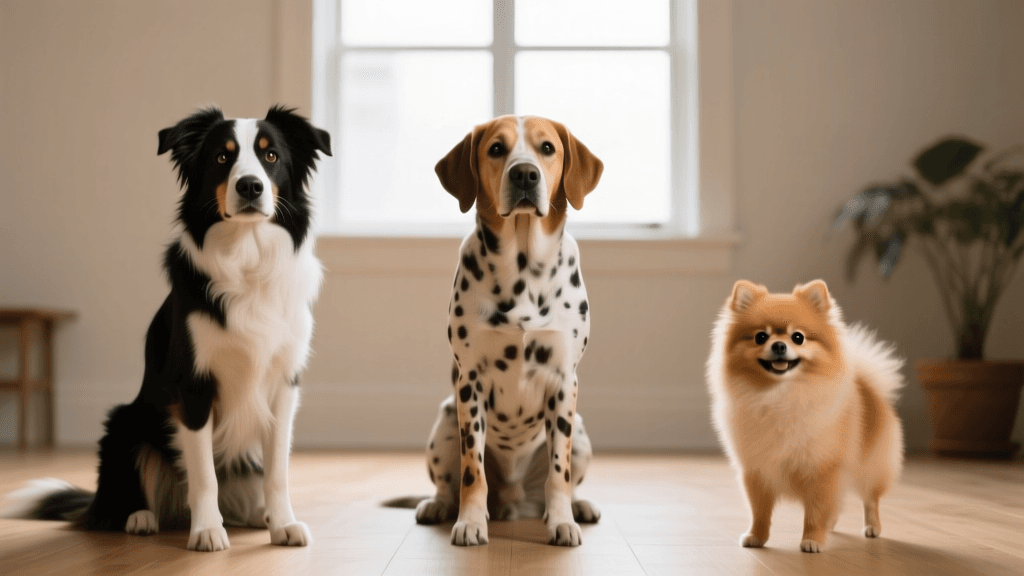
Choosing a dog is one of the most exciting decisions a prospective pet owner can make, but it is also one that requires careful consideration of lifestyle compatibility. At Paws-Tales, we frequently see well-meaning owners struggle with behavioral conditioning simply because they selected a breed whose genetic predispositions clash with their daily routines. Trainability is not a universal metric; it is deeply intertwined with a dog's ancestral purpose. A Border Collie's definition of 'training' involves complex problem-solving and relentless physical output, whereas a Basset Hound's training requires patience, scent-driven motivation, and a completely different behavioral approach.
Understanding breed groups is the foundational step in setting realistic expectations for obedience training, trick teaching, and socialization. By aligning your selection process with the inherent traits of specific breed groups, you can create a harmonious environment where both you and your canine companion thrive. This comprehensive guide will break down the trainability of major breed groups, offering actionable advice, specific training tools, and realistic cost expectations for new and experienced owners alike.
The Science of Canine Trainability and Genetics
According to the American Kennel Club (AKC), a dog's genetic makeup heavily influences its 'biddability'—the willingness to please and follow human direction. Breeds developed to work closely alongside humans, such as retrievers and herding dogs, generally exhibit high biddability. Conversely, breeds developed for independent decision-making, such as livestock guardian dogs or scent hounds, often display what trainers call 'independent streaks,' which are frequently mislabeled as stubbornness.
When selecting a dog, it is crucial to differentiate between intelligence and trainability. A highly intelligent breed like the Shiba Inu may learn a command in three repetitions but choose not to perform it without a high-value incentive. In contrast, a Golden Retriever may take slightly longer to grasp a complex trick but will perform it repeatedly for verbal praise and a standard treat. Recognizing these nuances is vital for effective behavioral conditioning.
Comprehensive Breed Group Comparison Chart
The following table provides a high-level overview of how different breed groups respond to obedience training and behavioral conditioning. Use this chart as a baseline when evaluating which breed aligns with your training capabilities and time commitments.
| Breed Group | Primary Instinct | Biddability Level | Best Training Method | Common Training Challenge |
|---|---|---|---|---|
| Herding | Controlling movement | Very High | Shaping, Agility, Clicker Training | Hyperactivity, nipping at heels |
| Sporting | Retrieving, pointing | High | Positive Reinforcement, Fetch-based rewards | Distractibility by birds/wildlife |
| Hound | Scent/Sight tracking | Moderate to Low | Scent work, High-value food luring | Ignoring recall when on a scent |
| Working | Guarding, pulling | Moderate to High | Structured obedience, Job-oriented tasks | Dominance, leash pulling, territoriality |
| Toy | Companionship | Moderate | Short sessions, Lure-reward | Housebreaking, small bladder capacity |
Tailored Training Strategies by Breed Group
1. Herding Group (e.g., Border Collies, Australian Shepherds)
Herding breeds are the athletes of the canine world. Bred to control the movement of livestock over vast distances, these dogs possess immense stamina and a hyper-awareness of motion. If you select a herding breed, physical exercise alone will not suffice; they require rigorous mental stimulation.
- Actionable Advice: Utilize a 'flirt pole' (a wand with a lure attached) for 15-minute daily sessions to satisfy their prey and chase drives in a controlled manner.
- Behavioral Conditioning: Teach a solid 'leave it' and 'drop it' command early to prevent them from herding children, bicycles, or cars. Redirect their herding instinct toward structured agility courses or treibball (herding large exercise balls).
- Tool Recommendation: Invest in a clicker and a treat pouch for rapid-fire positive reinforcement, as these dogs learn best through 'shaping' behaviors step-by-step.
2. Sporting Group (e.g., Labrador Retrievers, Golden Retrievers)
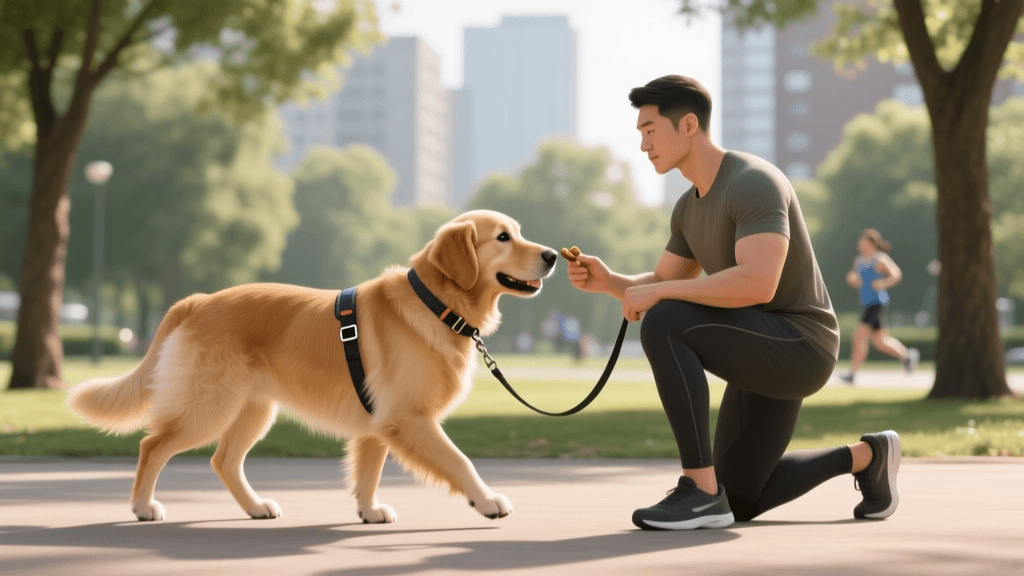
Sporting breeds are famously biddable, making them the most common choice for first-time owners and service dog roles. They are highly food-motivated and eager to please, which makes basic obedience training relatively straightforward.
- Actionable Advice: Incorporate retrieving into your training sessions. Use a Kong Classic stuffed with frozen peanut butter as a reward for completing a sequence of commands.
- Behavioral Conditioning: Because they are easily distracted by environmental stimuli (like birds or other dogs), practice 'recall' (the 'come' command) using a 30-foot long-line leash. This ensures safety while allowing them the illusion of off-leash freedom during the proofing stage of training.
- Timing: Keep training sessions to 10-15 minutes. Sporting dogs can become overly aroused, leading to 'zoomies' that halt learning.
3. Hound Group (e.g., Beagles, Bloodhounds, Greyhounds)
As noted by the AKC Hound Group guidelines, hounds were bred to track game independently, often far out of the hunter's sight or earshot. This independence means they do not naturally look to humans for direction, making off-leash recall notoriously difficult.
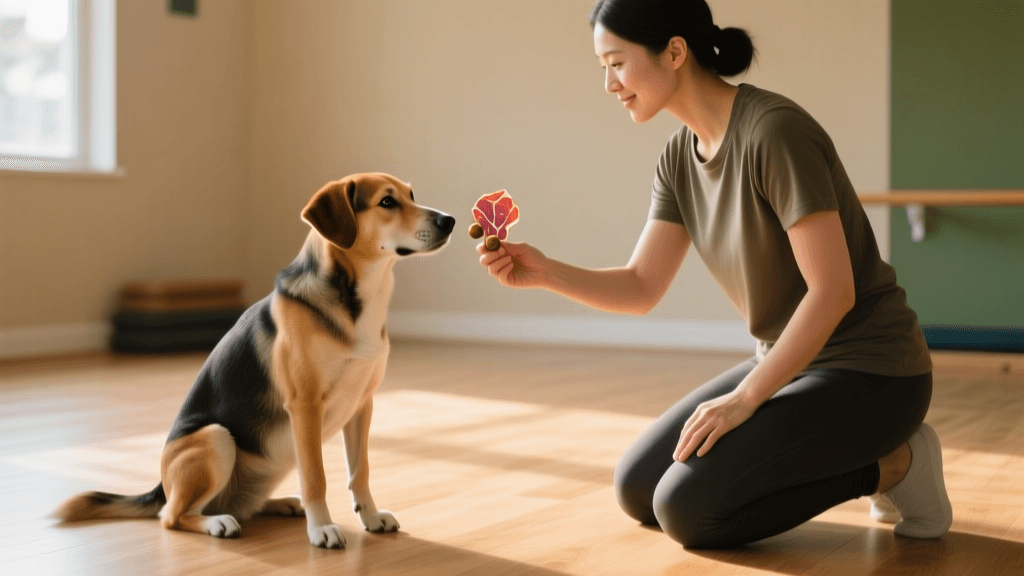
- Actionable Advice: Ditch standard kibble for training. Hounds require 'high-value' rewards like freeze-dried liver, boiled chicken, or hot dogs to compete with environmental scents.
- Behavioral Conditioning: Lean into their genetics by engaging them in 'scent work' or 'nosework' games. Hide treats around the house or use a 'snuffle mat' to turn mealtime into a tracking exercise, which exhausts them mentally.
- Safety Rule: Never trust a hound off-leash in an unfenced area. Their olfactory senses will override years of obedience training the moment they catch an interesting scent.
4. Working Group (e.g., Rottweilers, Siberian Huskies, Boxers)
Working breeds are powerful, intelligent, and bred for specific tasks like guarding, pulling sleds, or water rescue. They require firm, consistent, and fair leadership. Inconsistent rules will lead to these large dogs taking charge of the household.
- Actionable Advice: Implement the 'Nothing in Life is Free' (NILIF) protocol. Require your dog to perform a 'sit' or 'down' before receiving meals, going outside, or getting petted. This builds respect and impulse control.
- Behavioral Conditioning: Early socialization is non-negotiable. Expose them to diverse people, surfaces, and sounds between 8 and 14 weeks of age to prevent territorial aggression or fear-based reactivity.
- Tool Recommendation: Use a front-clip no-pull harness (like the Easy Walk or Ruffwear Front Range) to manage leash pulling without damaging their trachea.
5. Toy and Terrier Groups (e.g., Pugs, Jack Russell Terriers)
Toy breeds are often underestimated in the training department, while Terriers are notorious for their tenacity. Toy dogs can be prone to 'small dog syndrome' (where owners excuse bad behavior due to the dog's size), and Terriers possess a high prey drive that can lead to digging and chasing.
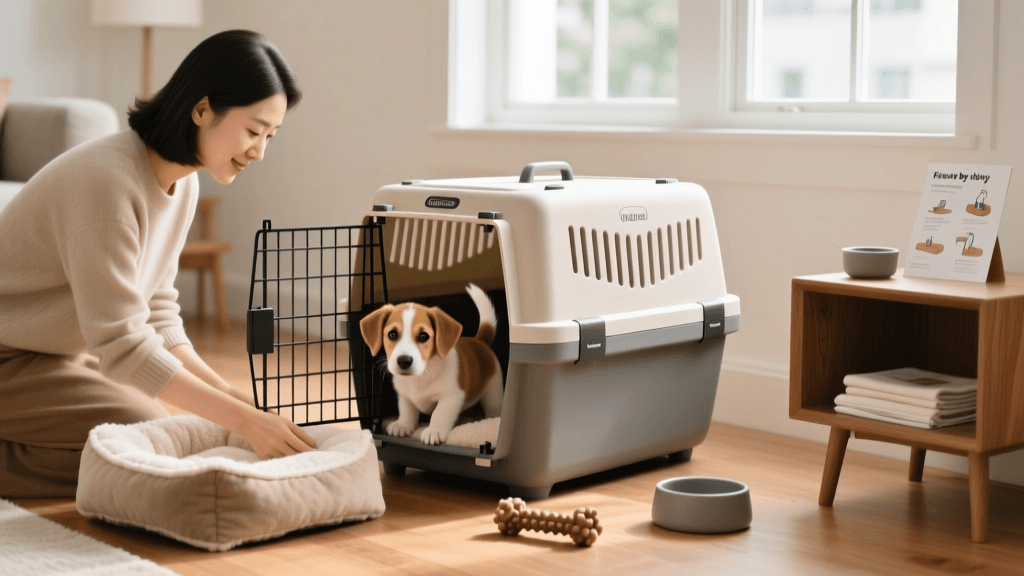
- Actionable Advice: For Toy breeds, prioritize housebreaking. Their small bladders require frequent outdoor trips—every 1 to 2 hours during the initial potty training phase. Use enzymatic cleaners to completely erase indoor accident scents.
- Behavioral Conditioning: For Terriers, provide legal outlets for digging. Create a designated 'dig box' filled with sand and buried toys to satisfy their earth-dog instincts without destroying your garden.
The Critical Socialization Window
Regardless of the breed group you select, the primary socialization window occurs between 3 and 14 weeks of age. During this period, a puppy's brain is highly receptive to new experiences. The Humane Society of the United States emphasizes that positive exposure to various environments, sounds, and people during this window drastically reduces the likelihood of fear-based aggression and anxiety later in life.
Actionable Timeline:
- 8-10 Weeks: Focus on gentle handling, introducing the collar/harness, and basic name recognition.
- 10-12 Weeks: Introduce novel surfaces (gravel, grates, wet grass) and distant, calm dog observations.
- 12-14 Weeks: Begin structured puppy kindergarten classes to practice focus around controlled distractions.
Financial and Time Investments in Professional Training
Selecting a highly trainable breed does not eliminate the need for professional guidance, especially for first-time owners. Budgeting for training is a critical part of responsible dog selection. Here is a breakdown of typical training costs and time commitments in the current market:
- Group Puppy Classes: $150 to $300 for a 6-week course. Ideal for sporting and toy breeds needing basic obedience and socialization.
- Private In-Home Training: $100 to $200 per hour. Highly recommended for working and herding breeds that may develop specific behavioral issues like resource guarding or leash reactivity.
- Board and Train Programs: $1,500 to $3,500 for a 2-to-4-week immersive program. Best for owners with demanding schedules, though it requires a significant follow-up commitment from the owner to maintain the dog's learned behaviors.
- Daily Time Commitment: Expect to dedicate 30 to 60 minutes daily to active training and mental enrichment, particularly for herding and working breeds, to prevent destructive behaviors born from boredom.
Conclusion: Setting Realistic Expectations
Ultimately, there is no universally 'perfect' dog breed; there is only the perfect breed for your specific lifestyle, patience level, and training goals. By understanding the inherent traits of breed groups, you can select a companion whose natural instincts align with your expectations. Whether you are shaping a Border Collie for agility, proofing a Labrador's recall, or engaging a Beagle's nose with scent work, respecting their genetic blueprint is the key to a successful, lifelong partnership. Take the time to research, invest in positive reinforcement methodologies, and remember that training is not a one-time event, but an ongoing conversation with your canine companion.
anouk-beaumont
All our authors care for dogs every day — read more of their work on the authors page.