The Science of Puppy Socialization and Fear Periods
Discover the science behind puppy socialization windows and fear periods. Learn actionable, vet-backed strategies to build a confident, well-adjusted dog.
The Neurological Blueprint of Your Puppy's Brain
Bringing a new puppy home is an experience filled with joy, but beneath their playful exterior lies a rapidly developing brain governed by strict biological timelines. As a puppy owner, understanding the science of canine neuroplasticity is not just an academic exercise; it is the fundamental key to raising a confident, well-adjusted, and behaviorally sound adult dog. The first year of a dog's life is marked by intense neurological changes, specifically regarding how they process novel stimuli, form memories, and react to fear. By aligning your training and socialization efforts with these science-backed developmental milestones, you can literally shape the physical architecture of your puppy's brain.
The Primary Socialization Window: A Race Against Time
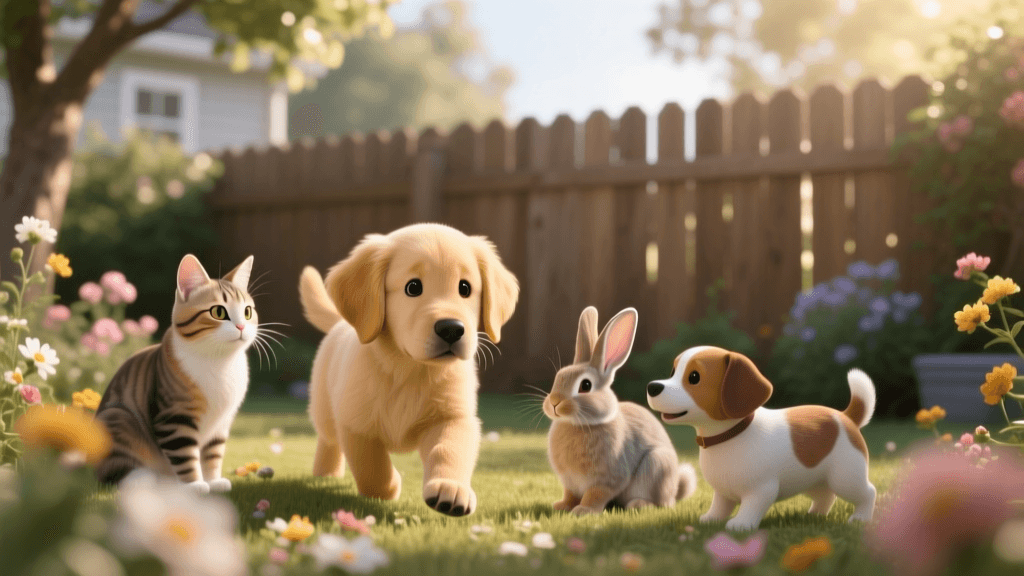
The most critical phase of a puppy's cognitive development is the primary socialization window, which typically opens at three weeks of age and begins to close between 12 and 14 weeks. During this brief period, a puppy's brain is uniquely primed to accept new experiences, species, environments, and sounds without triggering a fear response. Neurologically, the approach system in the brain is highly active, while the avoidance system (the amygdala's fear response) is still developing and relatively suppressed.
The American Veterinary Society of Animal Behavior (AVSAB) emphasizes that the risk of a puppy contracting a disease like parvovirus is vastly outweighed by the behavioral risks of inadequate socialization. In fact, behavioral euthanasia remains a leading cause of death for dogs under three years old, largely stemming from fear and aggression rooted in missed socialization windows. To capitalize on this window, puppies should be exposed to a minimum of 100 novel, positive experiences before they reach 16 weeks of age.
The Science of Fear Periods: When the Amygdala Takes Over
Fear periods are distinct, biologically programmed developmental stages where a puppy's brain becomes hyper-vigilant to potential threats. From an evolutionary standpoint, this mechanism kept young canids safe from predators as they began to explore beyond the den. However, in a modern domestic environment, these periods can lead to lifelong phobias if not managed correctly.
The First Fear Period (8 to 11 Weeks)
This period often coincides with the stressful transition of moving to a new home. During these weeks, the amygdala—the brain's fear-processing center—becomes highly reactive. A single traumatic event, such as a painful veterinary visit or an aggressive encounter with another dog, can create a permanent fear imprint. According to Fear Free Pets, it is crucial to minimize stressors during this time. If your puppy shows hesitation, do not force them. Instead, use high-value, pea-sized treats like Zuke's Mini Naturals (costing roughly $6 per bag) to create positive associations from a safe distance.
The Second Fear Period (6 to 14 Months)
Often catching owners off guard, the second fear period occurs during adolescence. Your previously confident puppy may suddenly develop a fear of garbage cans, hats, or specific strangers. This is linked to hormonal changes and the final maturation of the brain's frontal cortex. The science-backed approach here is desensitization and counter-conditioning. Never punish a fearful reaction, as this only validates the puppy's belief that the stimulus is indeed dangerous.
Actionable, Science-Backed Socialization Protocols
Effective socialization is not merely about exposing your puppy to new things; it is about ensuring those exposures result in habituation (a decrease in response to a repeated, harmless stimulus) rather than sensitization (an increased, fearful response). Habituation requires repetition and positive reinforcement. If a puppy is exposed to a loud truck but is simultaneously fed rotisserie chicken, the brain maps the auditory stimulus to a positive dopamine release. Here is a practical, measurable protocol to follow:
- The 3-Second Rule for Petting: Allow strangers to pet your puppy for exactly three seconds, then pause. If the puppy leans in or nudges the person, consent is given to continue. If the puppy looks away, licks its lips, or retreats, respect their boundary immediately.
- Surface Texture Mapping: Purchase a $30 set of interlocking foam gym mats or use household items like baking sheets, graters (flat side up), and bubble wrap. Lure your puppy across these surfaces using a Kong Classic ($15) stuffed with frozen plain yogurt and pumpkin puree.
- Auditory Desensitization: Play recordings of thunderstorms, fireworks, and city traffic at a low volume (40 decibels) during meal times. Gradually increase the volume by 5 decibels each week, ensuring the puppy remains under their stress threshold.
- Pheromone Support: Utilize an Adaptil Junior Calming Pheromone Collar ($20 to $25). Science shows that these synthetic dog-appeasing pheromones (DAP) mimic the maternal pheromones produced by nursing mothers, significantly reducing cortisol levels in the bloodstream during novel experiences.
Data Table: Canine Stress Ladder and Intervention Metrics
Understanding canine body language through a scientific lens allows you to intervene before a puppy crosses the threshold into a fight-or-flight response. The following table outlines the progressive ladder of stress signals and the required interventions.
| Stress Level | Observable Behavior | Neurological State | Actionable Intervention |
|---|---|---|---|
| Level 1 (Mild) | Yawning, lip licking, sniffing ground | Mild cortisol elevation; attempting self-soothing | Increase distance from stimulus by 5 feet; offer a high-value treat. |
| Level 2 (Moderate) | Whale eye, tucked tail, pinned ears | Amygdala activation; sympathetic nervous system engaging | Immediately remove puppy from the situation; engage in a familiar cue like sit to reset the brain. |
| Level 3 (Severe) | Freezing, trembling, refusal to eat | Over threshold; cognitive processing blocked by fear | Do not attempt training. Safely carry or lead the dog away to a quiet, low-stimulus environment. |
| Level 4 (Critical) | Growling, snapping, biting | Full fight-or-flight response; survival mode | Evacuate immediately. Consult a certified veterinary behaviorist for a tailored counter-conditioning plan. |
The Financial and Behavioral ROI of Early Intervention
Many owners hesitate to invest in structured puppy classes, citing budget constraints. However, the financial and emotional ROI of early, science-backed intervention is undeniable. A comprehensive, Fear Free certified 6-week puppy socialization class typically costs between $150 and $250. In stark contrast, addressing severe fear-based aggression or separation anxiety with a board-certified veterinary behaviorist later in life can cost upwards of $1,500 to $3,000, not including ongoing pharmaceutical interventions like fluoxetine or trazodone.
Furthermore, the ASPCA notes that well-socialized dogs are significantly less likely to be surrendered to shelters. By investing a few hundred dollars and dedicating 15 minutes of daily, structured exposure during the first four months, you are effectively purchasing a lifetime of behavioral stability and a deeper, more trusting bond with your dog. Remember, socialization is about quality, not just quantity. Forcing a terrified puppy into the arms of a stranger does not build confidence; it builds learned helplessness.
Conclusion: Shaping the Future
The science of puppy development leaves no room for the outdated advice of waiting until they are older to see how they turn out. The neurological windows of opportunity are fleeting, and the architecture of your puppy's brain is being built in real-time. By respecting fear periods, utilizing data-driven stress metrics, and committing to positive, proactive socialization protocols, you empower your puppy to navigate the world with curiosity rather than fear. Embrace the science, stock up on high-value treats, and guide your puppy through their first year with confidence and compassion.
hannah-wickes
All our authors care for dogs every day — read more of their work on the authors page.