Golden vs Labrador Retriever Puppy: First Year Care
Compare Golden Retriever and Labrador puppies. Discover first-year care tips, feeding schedules, training milestones, and costs to choose the perfect pup.
The Retriever Dilemma: Choosing Your Perfect Puppy
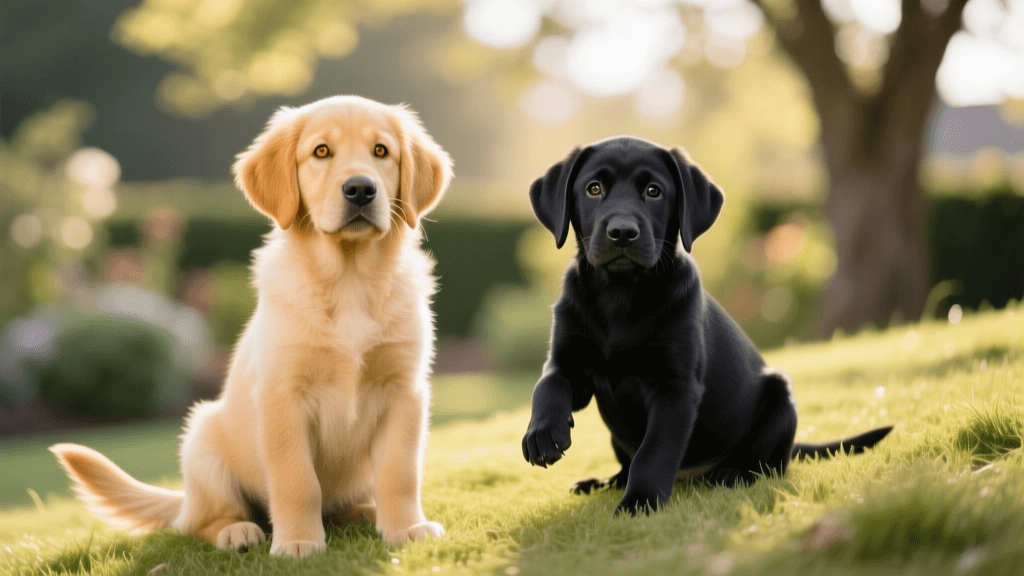
When prospective dog owners begin their journey into puppyhood, two breeds consistently top the list of considerations: the Golden Retriever and the Labrador Retriever. Both are renowned for their intelligence, loyalty, and family-friendly dispositions. However, navigating the first year of a puppy's life requires a nuanced understanding of their specific developmental milestones, nutritional needs, and behavioral quirks. While they share a common ancestry as sporting dogs, their puppyhood experiences can differ in surprising ways. According to the American Kennel Club's Golden Retriever profile, Goldens are known for their gentle, eager-to-please nature, whereas the AKC's Labrador Retriever guide highlights the Lab's boisterous, high-energy enthusiasm. This comprehensive guide compares the first-year care requirements of both breeds, helping you make an informed decision and prepare for the joys and challenges of puppyhood.
Early Temperament and Socialization Milestones
The critical socialization window for puppies occurs between 3 and 14 weeks of age. During this period, both Golden and Labrador puppies need exposure to diverse environments, sounds, surfaces, and people. However, their reactions to these stimuli can vary.
The Golden Retriever Puppy
Golden Retriever puppies tend to be slightly more sensitive and observant. They may exhibit brief moments of hesitation when encountering loud noises or unfamiliar objects. Positive reinforcement is highly effective here; pairing new experiences with high-value treats builds their confidence. Goldens are deeply attuned to their owner's emotions, making them highly responsive to gentle, encouraging socialization techniques.
The Labrador Retriever Puppy
Labrador puppies, on the other hand, are often described as 'bulls in a china shop.' Their natural curiosity and high drive can make them overly enthusiastic during socialization. A Lab puppy is more likely to jump on a new person or dive headfirst into a puddle. Training focus during this stage should emphasize impulse control and teaching a solid 'sit' to greet people politely.
Pro Tip: Regardless of breed, enroll your puppy in a well-run socialization class by 10 weeks of age. The American Veterinary Medical Association (AVMA) emphasizes that early, safe socialization is critical for preventing behavioral issues later in life.
Feeding Schedules and Large-Breed Nutrition
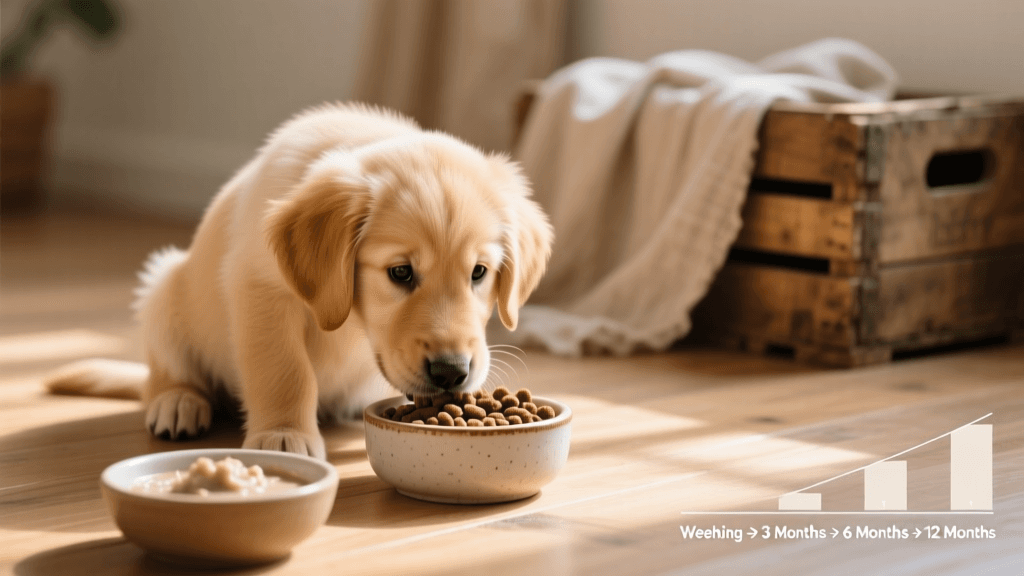
Both Goldens and Labs are classified as large-breed dogs. Rapid growth during the first six months can put undue stress on their developing joints, increasing the risk of hip and elbow dysplasia. Therefore, feeding a diet specifically formulated for large-breed puppies is non-negotiable. These diets contain controlled calcium and phosphorus levels to ensure steady, healthy bone growth.
Caloric Needs and Meal Frequency
From 8 to 12 weeks, puppies should be fed three to four times a day. At six months, you can transition to two meals a day. Labrador puppies are notorious for their insatiable appetites and are genetically predisposed to obesity if overfed. Golden Retrievers also love food but are generally slightly easier to manage regarding portion control.
| Feature | Golden Retriever Puppy | Labrador Retriever Puppy |
|---|---|---|
| Daily Calories (at 6 months) | 900 - 1,100 kcal | 1,000 - 1,200 kcal |
| Appetite Drive | High | Extremely High (Prone to overeating) |
| Recommended Diet Type | Large-Breed Puppy Formula | Large-Breed Puppy Formula (Weight Management focus) |
| Treat Allowance | Max 10% of daily calories | Max 5-8% of daily calories |
Potty Training and Crate Milestones
Potty training relies on consistency, supervision, and a strict schedule. Both breeds are highly intelligent and typically grasp housebreaking concepts by 4 to 6 months of age, provided the owner is diligent.
- 8-10 Weeks: Take the puppy outside every 1-2 hours, immediately after waking, eating, or playing.
- 11-14 Weeks: Bladder capacity increases. Extend outdoor trips to every 2-3 hours.
- 4-6 Months: Most puppies can hold it for 4-5 hours during the day and sleep through the night without a potty break.
Labrador puppies may require slightly more patience during potty training simply because they are easily distracted by outdoor scents and wildlife. Golden puppies might be quicker to focus on the task at hand but can be prone to 'submissive urination' when overly excited or scolded. Always use enzymatic cleaners for indoor accidents and reward outdoor success lavishly.
Teething, Mouthing, and Chew Toy Selection
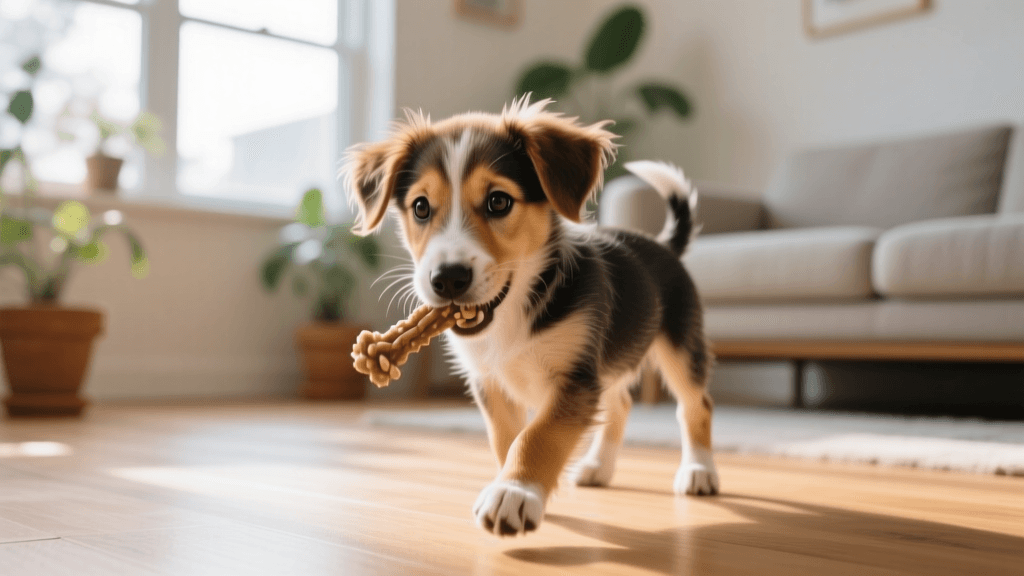
Puppies begin losing their baby teeth around 12 to 16 weeks, with the adult teeth fully erupting by 6 to 7 months. This teething phase is notoriously challenging for retriever owners, as both breeds are genetically hardwired to use their mouths to explore the world.
The 'Land Shark' Phase
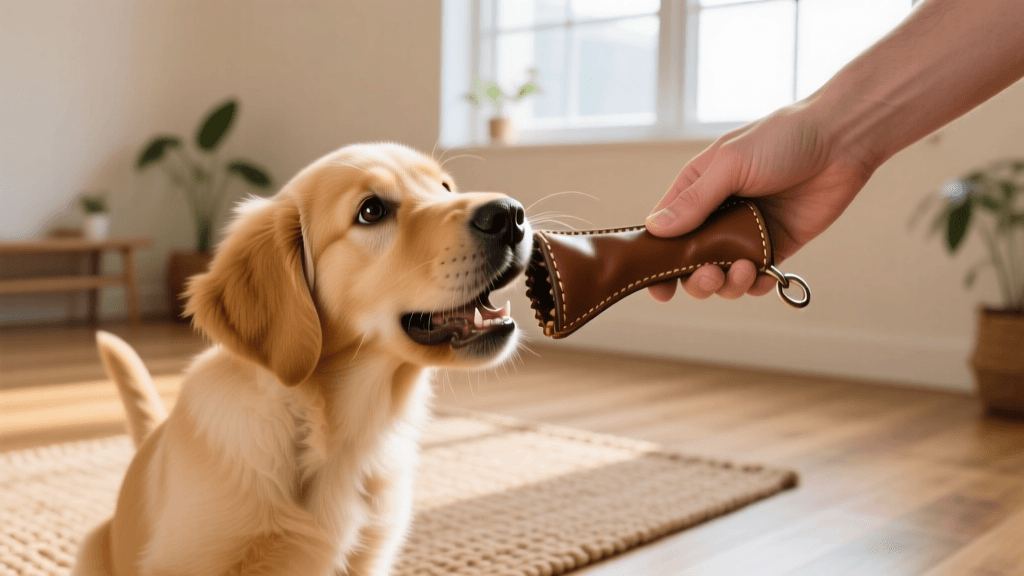
Labrador puppies earn the nickname 'land sharks' due to their sharp puppy teeth and intense mouthing behavior. They will chew on hands, ankles, and furniture with relentless enthusiasm. Golden Retriever puppies also mouth, but they tend to exhibit a 'soft mouth' trait earlier, preferring to gently carry objects rather than aggressively gnaw on them.
Recommended Teething Gear
- Kong Classic (Red or Black): Stuff with plain yogurt and blueberries, then freeze. The cold soothes inflamed gums.
- Nylabone Puppy Chew: Specifically designed for developing teeth, offering a safe outlet for chewing urges.
- Braided Rope Toys: Excellent for flossing emerging adult teeth, but always supervise to prevent ingestion of strings.
Redirecting inappropriate chewing is vital. If your Lab puppy bites your hand, immediately offer a frozen Kong and praise them when they bite the toy instead.
First-Year Cost Breakdown
Budgeting for a puppy's first year is essential. While the initial purchase or adoption fee is a significant factor, the ongoing care costs for large-breed puppies are substantial. Below is an estimated comparison of first-year expenses.
| Expense Category | Golden Retriever | Labrador Retriever |
|---|---|---|
| High-Quality Puppy Food | $600 - $800 | $700 - $900 |
| Veterinary Care (Vaccines, Spay/Neuter) | $800 - $1,200 | $800 - $1,200 |
| Preventatives (Flea, Tick, Heartworm) | $200 - $300 | $200 - $300 |
| Training Classes | $150 - $300 | $200 - $400 |
| Supplies (Crate, Bed, Toys, Grooming) | $400 - $600 | $350 - $500 |
| Estimated Total | $2,150 - $3,200 | $2,250 - $3,300 |
*Note: Costs vary based on geographic location, veterinary clinic pricing, and the specific brands of food and supplies chosen. Labs may incur slightly higher training costs if their high energy requires additional impulse-control classes.
Conclusion: Making the Right Choice
Choosing between a Golden Retriever and a Labrador Retriever ultimately comes down to your lifestyle and tolerance for puppyhood antics. If you prefer a slightly more sensitive, observant companion who thrives on gentle guidance, the Golden Retriever is an exceptional choice. If you lead an active, outdoor-centric lifestyle and don't mind a boisterous, highly energetic 'land shark' who will make you laugh daily, the Labrador Retriever will be your perfect match. By understanding their distinct feeding needs, socialization quirks, and developmental milestones, you can set the foundation for a lifetime of health and happiness with your new retriever puppy.
marcus-aldridge
All our authors care for dogs every day — read more of their work on the authors page.