7 Potty Training Mistakes Every New Puppy Owner Makes
Avoid these 7 common puppy potty training mistakes. Learn expert schedules, crate sizing, and cleaning tips to housebreak your pup fast.
The Hidden Hurdles of Housebreaking
Bringing home a new puppy is a joyous occasion, but the honeymoon phase often ends the moment you spot that first puddle on your favorite rug. Potty training is arguably the most frustrating hurdle of the first year, but it is also one of the most predictable. When housebreaking fails, it is rarely because the puppy is stubborn or incapable of learning. Instead, it is almost always the result of human error. Puppies thrive on routine, clear communication, and biological predictability. When we inadvertently send mixed signals or ignore their physical limitations, we set them up for failure.
If you find yourself constantly cleaning up accidents or feeling like your puppy just is not getting it, you might be falling into one of the common traps that plague new dog owners. Below, we break down the seven most frequent potty training mistakes and provide actionable, expert-backed strategies to get your puppy on the right track.
Mistake 1: Giving Too Much Freedom Too Soon
One of the most endearing sights is a tiny puppy exploring their new home, but allowing a young pup to free-roam before they are fully housebroken is a recipe for disaster. Puppies lack the bladder control and the cognitive association required to hold it and find the door. When they wander into a spare bedroom or behind the sofa, they will relieve themselves without a second thought.
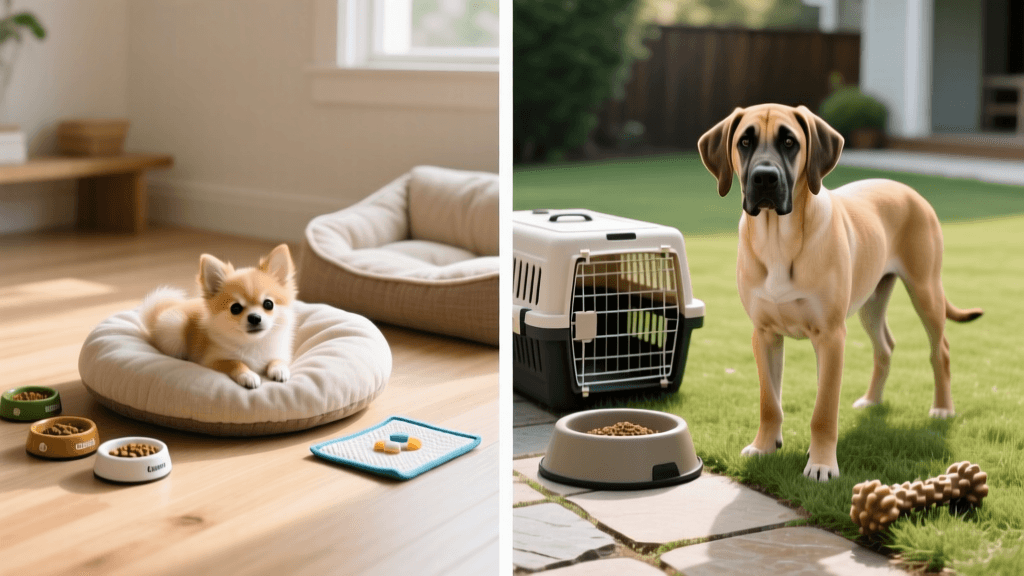
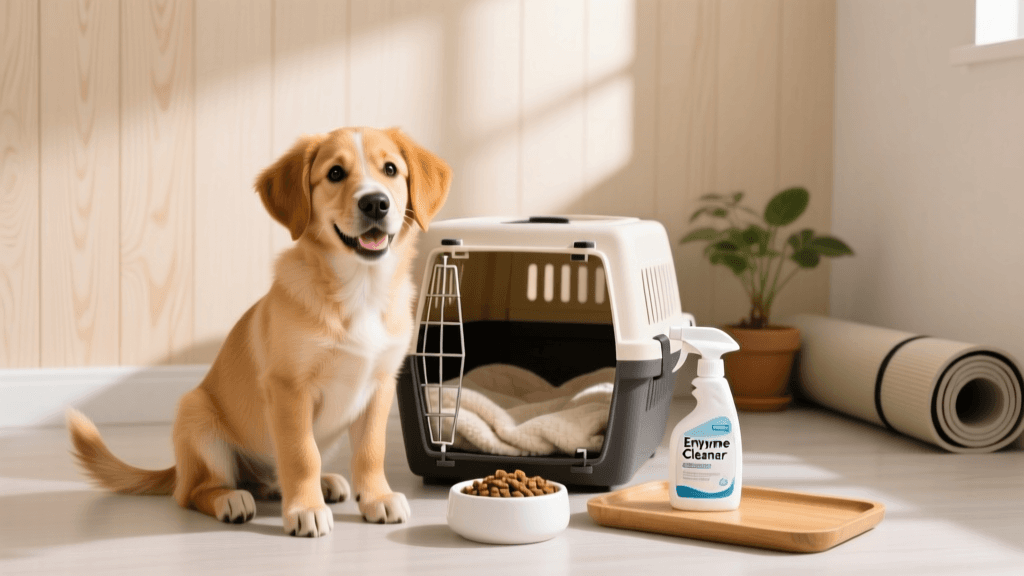
The Fix: Implement strict confinement when you cannot actively supervise your puppy. Invest in a high-quality wire crate, such as the MidWest Homes for Pets iCrate (typically costing between $45 and $65). The crate should be large enough for the puppy to stand, turn around, and lie down, but no larger. Use the included divider panel to section off the back of the crate as your puppy grows. Dogs naturally avoid soiling their sleeping area, making a properly sized crate an invaluable housebreaking tool.
Mistake 2: Using the Wrong Cleaning Products
When an accident happens, your instinct might be to grab whatever household cleaner is under the sink. However, many standard floor cleaners contain ammonia. To a dog's highly sensitive olfactory system, ammonia smells remarkably like urine. If you clean a spot with an ammonia-based product, you are essentially leaving a neon sign that says, 'This is the bathroom.'
The Fix: You must use an enzymatic cleaner specifically formulated for pet stains, such as Nature's Miracle Advanced Stain and Odor Eliminator (approx. $12 to $15). Enzymatic cleaners contain specific bacteria that produce enzymes (like protease and amylase) to break down the uric acid crystals that standard soaps leave behind. For best results, blot up as much of the accident as possible, saturate the area with the enzymatic cleaner, and let it sit for 10 to 15 minutes before blotting dry. The VCA Animal Hospitals strongly recommend enzymatic cleaners to completely neutralize the scent markers that trigger repeat offenses.
Mistake 3: Punishing After the Fact
You walk into the kitchen, see a puddle on the floor, and scold your puppy. The puppy cowers, looks guilty, and you assume they know what they did wrong. In reality, dogs do not possess the cognitive ability to connect a past action with a present punishment. They are simply reacting to your angry tone and body language, which teaches them to fear you, not to avoid peeing on the floor.
The Fix: The ASPCA emphasizes that punishment has no place in house training. If you catch your puppy in the act, interrupt them with a sharp, neutral noise like 'Oops!' or a quick clap, immediately scoop them up or leash them, and carry them outside to finish. Praise them enthusiastically when they do. If you find an accident after the fact, say nothing to the dog. Clean it up silently with your enzymatic cleaner and resolve to supervise them more closely next time.
Mistake 4: Relying on Guesswork Instead of a Schedule
Waiting for your puppy to 'tell you' they need to go outside is a massive mistake. Young puppies do not know they need to go until the urge is sudden and overwhelming. Relying on their cues rather than a proactive schedule leads to constant indoor accidents.
The Fix: You must take the puppy out on a rigid schedule based on their age and biological triggers. A general rule of thumb is that a puppy can hold their bladder for roughly one hour per month of age, up to a maximum. Use the chart below to structure your daily routine:
| Puppy Age | Max Bladder Capacity | Required Potty Break Frequency | Crucial Trigger Times |
|---|---|---|---|
| 2 Months | 2 to 3 hours | Every 1 to 2 hours | Within 15 mins of eating, waking, or playing |
| 3 Months | 3 to 4 hours | Every 2 to 3 hours | Within 20 mins of eating, waking, or playing |
| 4 Months | 4 to 5 hours | Every 3 to 4 hours | After meals, naps, and intense play sessions |
| 6 Months | 6 to 7 hours | Every 4 to 6 hours | After meals, naps, and intense play sessions |
Mistake 5: Carrying the Puppy Outside
It is incredibly tempting to scoop up your tiny puppy and carry them out the door to save time and prevent an accident on the way. However, doing this robs the puppy of the opportunity to build muscle memory and learn the physical route to the designated potty area. Furthermore, the physical act of walking helps stimulate their digestive system and signals to their brain that it is time to eliminate.
The Fix: Always let your puppy walk out the door on their own four paws. Put them on a lightweight, 4-to-6-foot nylon leash and guide them to the exact same spot in the yard every single time. The scent of their previous visits will act as a biological trigger, encouraging them to go faster.
Mistake 6: Ignoring the 'Potty Dance'
Puppies rarely eliminate without warning, but new owners often miss the subtle physical cues that precede an accident. If you are scrolling on your phone or watching TV while the puppy is loose in the room, you will miss the signs until it is too late.
The Fix: Active supervision means keeping your eyes on the puppy at all times. Learn to recognize the 'Potty Dance.' Common precursors to elimination include sudden cessation of play, intense sniffing of the ground (especially along baseboards or rugs), circling a specific spot, whining, or wandering toward the door. The moment you see these behaviors, calmly and quickly guide the puppy outside.
Mistake 7: Offering Weak or Inconsistent Rewards
Many owners say 'good boy' in a monotone voice while the puppy is finishing up outside, or worse, they wait until the puppy comes back inside to give a treat. This creates a dangerous association: the puppy learns that coming back inside is what earns the reward, which can actually cause them to rush their bathroom breaks or hold it outside just to run back in for a snack.
The Fix: The American Kennel Club (AKC) advises throwing a massive 'potty party' the exact second the puppy finishes eliminating outdoors. Use high-value, soft training treats that your puppy only gets for pottying, such as Zuke's Mini Naturals (approx. $6 per bag). Break them into pea-sized pieces to manage calorie intake. Deliver the treat and enthusiastic verbal praise within one to two seconds of them finishing, while you are still standing outside in the grass. This cements the bond between the act of outdoor elimination and the positive reward.
Patience and Consistency Are Your Best Tools
Housebreaking a puppy is a marathon, not a sprint. There will be setbacks, especially during periods of teething, growth spurts, or changes in the household routine. By avoiding these seven common mistakes, you remove the confusion and frustration from the process. Stick to your schedule, manage their environment with a crate, clean accidents properly, and reward them generously. With time and unwavering consistency, your puppy will develop the lifelong habits needed for a clean, happy home.
aaron-whyte
All our authors care for dogs every day — read more of their work on the authors page.