The Science of Sniffaris: How Decompression Walks Calm Dogs
Discover the science behind sniffaris. Learn how decompression walks lower your dog's heart rate and reduce stress with this actionable daily routine guide.
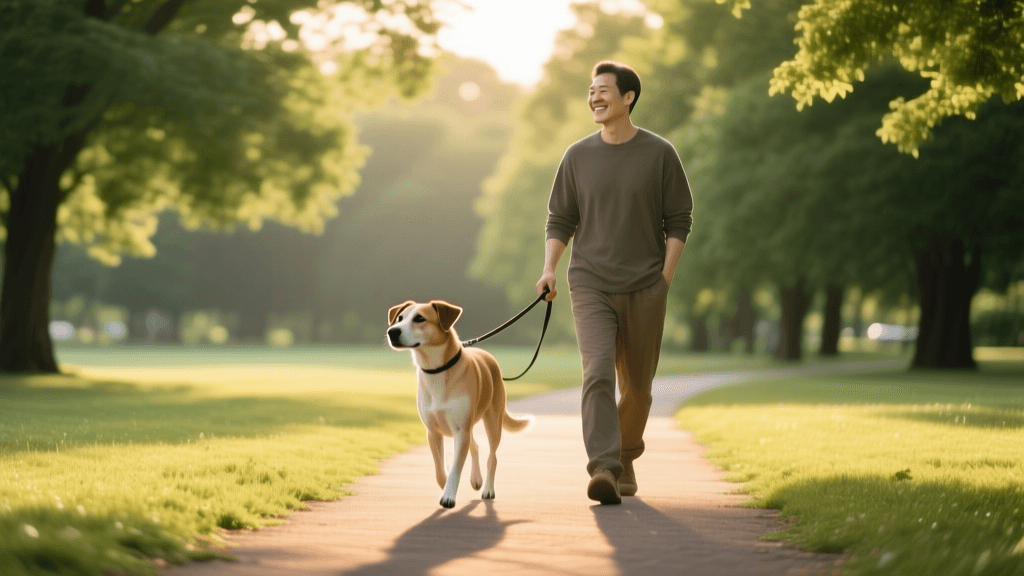
For decades, the traditional dog walk has been defined by the "heel" command. We have been taught that a good walk is one where the dog marches obediently at our left side, ignoring the environment. However, modern veterinary behaviorists and canine scientists are challenging this paradigm. Enter the "sniffari" or decompression walk—a science-backed approach to canine exercise that prioritizes olfactory enrichment over physical mileage. By understanding the neurological and physiological impacts of sniffing, dog owners can drastically improve their pet's mental health, reduce behavioral issues, and foster a deeper bond.
The Anatomy of a Sniff: Why Your Dog’s Nose is a Supercomputer
To understand why a sniffari is so beneficial, we must first look at canine anatomy. A dog's sense of smell is not just slightly better than ours; it is a completely different sensory experience. According to the American Kennel Club (AKC), dogs possess up to 300 million olfactory receptors in their nasal cavity, compared to a mere 6 million in humans. Furthermore, the part of a dog's brain dedicated to analyzing odors is proportionally 40 times greater than ours.
When your dog sniffs a fire hydrant, they are not just detecting that another dog was there. They are reading a complex chemical biography. They can determine the sex, age, health status, and even the emotional state of the dog that left the scent mark. This process requires immense cognitive processing. The olfactory bulb in a dog's brain has direct connections to the limbic system, which is responsible for emotion and memory. Therefore, sniffing is not a distraction from the walk; it is the primary way your dog processes and understands their world.
The Physiology of Decompression: Heart Rates and Stress Hormones
The term "decompression walk" stems from the physiological response dogs exhibit when allowed to sniff freely in a low-stress environment. When a dog is forced to heel in a high-traffic urban area, their sympathetic nervous system (the "fight or flight" response) can remain mildly activated due to visual and auditory overstimulation. This can lead to elevated cortisol levels and a higher resting heart rate.
Conversely, engaging in scent work and free-sniffing activates the parasympathetic nervous system. Research and behavioral observations highlighted by organizations like Dogs Trust indicate that focused sniffing actually lowers a dog's heart rate and promotes the release of dopamine, the "feel-good" neurotransmitter. A 20-minute session of intense sniffing can leave a dog more physically and mentally fatigued than an hour of brisk, structured walking. This mental fatigue is crucial for high-energy breeds, reactive dogs, and senior dogs who may have physical limitations but still require cognitive stimulation.
Traditional Walks vs. Sniffaris: A Data Comparison
How does a science-backed sniffari compare to a traditional neighborhood walk? The table below breaks down the physiological and practical differences between the two routines.
| Metric | Traditional Structured Walk | Decompression Sniffari |
|---|---|---|
| Primary Goal | Physical exercise, obedience training | Mental enrichment, stress reduction |
| Heart Rate Impact | Elevates heart rate (cardio focus) | Lowers heart rate (calming focus) |
| Mental Fatigue | Low to Moderate | Very High (equivalent to complex puzzle toys) |
| Ideal Duration | 45 - 60 minutes | 20 - 30 minutes |
| Optimal Gear | Standard 4-6 ft leash, flat collar/harness | 15-30 ft long line, Y-shaped harness |
| Best For | Canine sports prep, loose-leash training | Reactive dogs, seniors, high-anxiety dogs |
How to Execute the Perfect Science-Backed Sniffari
Transitioning from a traditional walk to a sniffari requires a shift in your own mindset. You are no longer the drill sergeant; you are an observer and a facilitator of your dog's sensory experience. Here is how to set up a successful decompression routine.
Step 1: Gather the Right Gear (Costs & Specs)
Freedom of movement is essential for a sniffari. A standard 6-foot leash restricts your dog's ability to investigate interesting scents off the path, leading to frustration and leash-pulling.
- The Long Line ($15 - $30): Invest in a 15 to 30-foot long line. Biothane is the superior material choice; it is waterproof, doesn't absorb mud or odors, and glides easily through your hands without causing rope burn. Avoid retractable leashes, as the constant tension they apply can trigger an opposition reflex and cause neck strain.
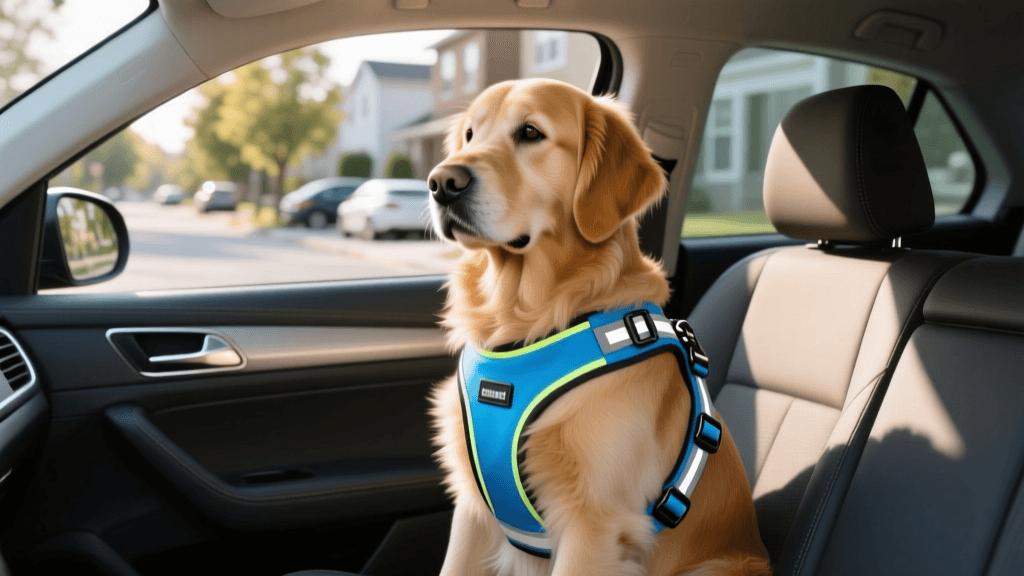
- The Y-Shaped Harness ($35 - $65): A well-fitted, Y-shaped harness (such as the Ruffwear Front Range or Perfect Fit) ensures that your dog's shoulder joints have a full range of motion. When the dog leans in to sniff a bush, a Y-harness distributes the pressure safely across the sternum rather than restricting the trachea or shoulder blades.
Step 2: Choose the Right Environment
Decompression requires a sense of safety. If your dog is constantly on high alert for other dogs or loud traffic, they cannot enter the relaxed state required for deep sniffing. Seek out "sniffspots" (private, rented yards), quiet wooded trails, or empty grassy fields. Natural substrates like dirt, tall grass, and mulch hold scent molecules much better than hot asphalt or concrete, providing a richer olfactory landscape.
Step 3: The 20-Minute Rule and Pacing
Allow your dog to dictate the pace. If they want to spend four minutes investigating a single patch of clover, let them. This is the canine equivalent of reading a gripping novel. Do not rush them or gently tug the leash to keep moving. A successful sniffari might only cover a quarter-mile of physical distance, but the cognitive workout is immense. Practice the "Check-In" method: whenever your dog voluntarily looks back at you during the walk, mark the behavior with a "yes" and toss a high-value treat (like freeze-dried liver or boiled chicken) into the grass. This encourages them to use their nose to find the food, compounding the enrichment.
Troubleshooting Common Sniffari Challenges
While sniffaris are highly beneficial, they come with a few practical challenges that owners must manage.
Challenge 1: Eating Garbage or Scavenging
If your dog is a notorious scavenger, a sniffari can feel like a minefield. To mitigate this, teach a strong "Leave It" and "Drop It" cue in a controlled indoor environment before taking it to the field. Alternatively, use a basket muzzle (such as the Baskerville Ultra, which allows for full panting and sniffing but prevents ingestion) while you build trust and training.
Challenge 2: Leash Tangling
Managing a 30-foot line around trees and benches can be frustrating. Keep the slack manageable by gathering loops of the leash in your hand, releasing more line only as your dog moves further away. Step on the leash gently with your foot if your dog suddenly bolts toward a scent, preventing them from hitting the end of the line at full speed.
Challenge 3: Reactivity to Wildlife
In natural areas, your dog may catch the scent of a deer or rabbit. Because their prey drive is linked to their olfactory system, this can trigger sudden chasing. Always use a secure harness and maintain a firm, relaxed grip on the long line. If your area has high wildlife traffic, keep the long line at 15 feet rather than 30 feet to maintain better physical control.
Conclusion
The science is clear: dogs experience the world primarily through their noses. By integrating decompression walks into your weekly routine, you are catering to your dog's fundamental biological needs. You do not need to replace all traditional walks with sniffaris; a balanced approach might include a structured, training-focused walk in the morning and a 20-minute decompression sniffari in the evening. As noted by experts at Best Friends Animal Society, allowing dogs the autonomy to explore and sniff builds confidence, reduces anxiety, and ultimately results in a happier, more settled companion at home. Put away the stopwatch, drop the strict heel command, and let your dog's nose lead the way.
jonas-cole
All our authors care for dogs every day — read more of their work on the authors page.