Best Dog Car Harnesses and Seatbelts for Safe Travel
Discover the best dog car harnesses and seatbelts for safe travel. Compare top crash-tested picks, sizing tips, and safety standards for your pup.
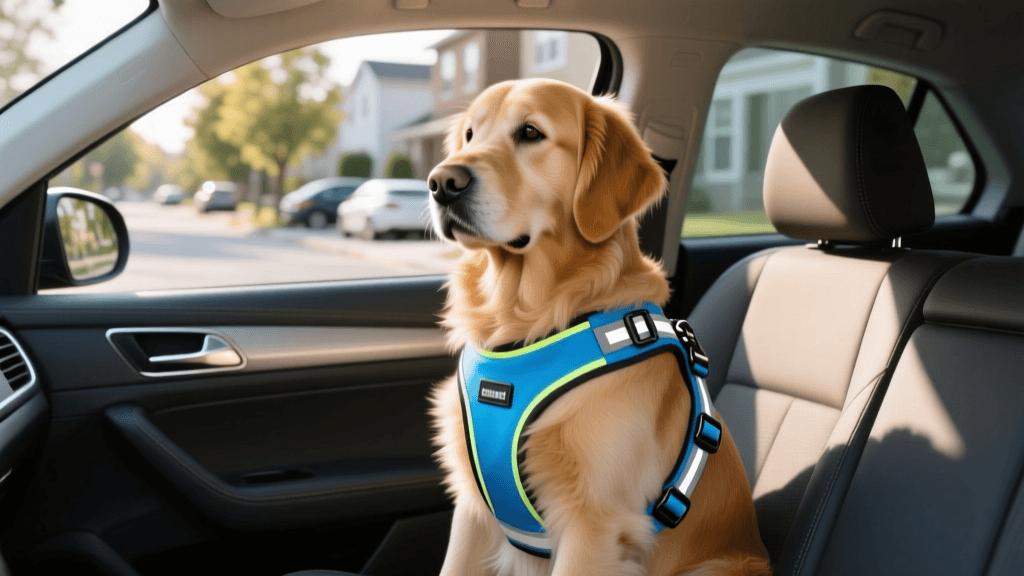
The Hidden Dangers of Unrestrained Dogs in Cars
When you buckle up for a drive, you probably do not think twice about it. Seatbelts are a fundamental aspect of human automotive safety. Yet, when it comes to our four-legged best friends, many dog owners allow their pets to roam freely in the vehicle, sit on their laps, or stick their heads out of the window. While these behaviors might look adorable in photographs, they pose severe risks to both the dog and the human passengers inside the vehicle.
According to the Insurance Information Institute, an unrestrained 50-pound dog in a vehicle traveling at just 35 miles per hour can become a 1,500-pound projectile in the event of a sudden stop or collision. This immense force can cause catastrophic injuries to the dog and anyone else in the car. Furthermore, an unrestrained dog is a major distraction. Dogs jumping into the front seat, climbing onto the driver's lap, or blocking the rearview mirror significantly increase the likelihood of an accident occurring in the first place.
Why Crash-Test Certification Matters
As the demand for pet travel accessories has grown, the market has been flooded with dog car harnesses and seatbelts. However, not all harnesses are created equal. Many manufacturers use misleading marketing terms like 'crash-tested' or 'safety-rated' without adhering to any standardized testing protocols. A harness might hold up under a static pull test, but completely fail under the dynamic, multi-directional forces of a real-world vehicular collision.
This is where independent organizations step in to protect consumers and their pets. The Center for Pet Safety (CPS) is a non-profit research and consumer advocacy organization dedicated to companion animal safety. They conduct rigorous, independent crash testing using specially designed canine crash test dummies equipped with sensors. When shopping for a dog car harness, looking for the official 'CPS Certified' logo is the single most reliable way to ensure the product has passed stringent dynamic crash tests and will genuinely protect your dog during an impact.
Top 3 Crash-Tested Dog Car Harnesses Reviewed
After analyzing safety data, material quality, ease of use, and comfort, we have identified the top crash-tested dog car harnesses on the market. These picks represent the gold standard in canine automotive safety.
1. Sleepypod Clickit Sport
The Sleepypod Clickit Sport is widely regarded as one of the safest and most comfortable harnesses available. It features a unique three-point design that secures the dog's entire torso, distributing the force of a sudden stop across the chest and back rather than concentrating it on the neck or spine. The harness is constructed from automotive-grade seatbelt webbing and features a lightweight, padded vest that doubles as a comfortable walking harness.
Pros: Exceptional CPS certification, doubles as a walking harness, wide chest plate for force distribution, easy to clean. Cons: Can be bulky for very small dogs, the rear D-ring is not intended for leash walking while in the car. Price Range: $90 - $110
2. Kurgo Tru-Fit Smart Harness
The Kurgo Tru-Fit Smart Harness is a fantastic dual-purpose option that has been crash-tested for dogs up to 75 pounds. It utilizes a nested steel buckle system that mimics the hardware used by rock climbers and rescue workers, ensuring it will not snap under extreme tension. The chest plate is padded and ergonomically designed to reduce stress on the dog's trachea, making it an excellent choice for dogs that tend to pull on walks before settling into the car.
Pros: Heavy-duty steel nesting buckles, highly adjustable five-point fit, includes a 10-inch seatbelt tether loop, affordable. Cons: The steel buckles can be slightly heavier than standard plastic clips, sizing can run slightly large for narrow-chested breeds. Price Range: $45 - $60
3. ZuGoPet The Rocketeer
Designed specifically for small dogs (under 25 pounds), The Rocketeer by ZuGoPet is a revolutionary harness that secures your dog in a seated, upright position. Unlike traditional harnesses that allow the dog to lie down, The Rocketeer attaches to the car's LATCH system (the same anchors used for baby car seats) and the vehicle's seatbelt. This design prevents the dog from sliding forward and ensures the spine remains aligned during a crash.
Pros: Utilizes vehicle LATCH system, vet-approved upright seating posture, prevents small dogs from being crushed in footwells. Cons: Only suitable for small dogs, requires a learning curve for dogs not used to sitting upright in a harness, higher price point. Price Range: $120 - $140
Comparison Chart: Top Crash-Tested Harnesses
| Feature | Sleepypod Clickit Sport | Kurgo Tru-Fit Smart | ZuGoPet The Rocketeer |
|---|---|---|---|
| Weight Limit | Up to 90 lbs | Up to 75 lbs | Up to 25 lbs |
| CPS Certified | Yes | Yes (up to 75 lbs) | Yes |
| Attachment Style | Seatbelt pass-through | Seatbelt loop tether | LATCH & Seatbelt |
| Best For | Medium to Large Dogs | Budget & Dual-Purpose | Small Dogs & Puppies |
| Walking Harness? | Yes | Yes | No (Car only) |
How to Properly Measure and Fit Your Dog
Even the most expensive, highly-rated crash-tested harness will fail to protect your dog if it does not fit correctly. A harness that is too loose allows the dog to be ejected or suffer internal injuries from the harness shifting during impact. A harness that is too tight can restrict breathing and cause severe chafing. The American Veterinary Medical Association (AVMA) emphasizes that proper restraint fitting is critical for safe pet travel.
- Measure the Neck Girth: Use a soft fabric measuring tape to measure the thickest part of your dog's neck, right where the neck meets the shoulders. Ensure you can slip two fingers comfortably between the tape and your dog's skin.
- Measure the Chest Girth: Wrap the tape measure around the widest part of your dog's ribcage, usually just behind the front legs and across the shoulder blades. This is the most crucial measurement for car harnesses, as the chest plate bears the brunt of the crash forces.
- Check the Sternum Strap: The front strap should sit low on the chest, resting on the sternum (breastbone). It should never ride up into the soft tissue of the throat or trachea.
- The Two-Finger Rule: Once the harness is buckled and adjusted, you should be able to slide exactly two fingers flat between the harness straps and your dog's body at any point. This ensures a snug fit without restricting circulation or breathing.
Common Car Safety Mistakes to Avoid
Beyond choosing the wrong harness, many well-meaning dog owners fall into common traps that compromise their pet's safety on the road.
- Attaching Tethers to Collars: Never attach a car seatbelt tether to your dog's standard neck collar. In a sudden stop, the entire force of the dog's body weight will be concentrated on their fragile neck, leading to tracheal collapse, spinal injuries, or strangulation.
- Using Unrestrained Ziplines: While a zipline stretched across the backseat gives your dog freedom to move, it does not restrain them during a crash. The dog will still be thrown forward, and the zipline can cause severe entanglement or whiplash injuries.
- Letting Dogs Ride in the Front Seat: Just as children under a certain age must ride in the back, dogs should never ride in the front passenger seat. If the airbag deploys during a collision, the explosive force is designed for an adult human and can be instantly fatal to a dog.
- Buying Cheap, Uncertified Knock-offs: It can be tempting to buy a $15 'dog seatbelt' from an online marketplace. However, these products rarely feature load-tested hardware and often utilize cheap plastic clips that shatter upon impact. Always invest in certified safety gear.
Frequently Asked Questions
Can I use a regular walking harness in the car?
No. Standard walking harnesses are designed to handle the forward-pulling force of a dog on a leash, which is typically no more than 50 to 100 pounds of pressure. They are not engineered to withstand the thousands of pounds of dynamic force generated in a vehicular collision. Using a walking harness in the car provides a false sense of security and will likely tear apart during an accident.
Are dog car seats or booster seats safer than harnesses?
For small dogs, a crash-tested harness that secures them directly to the vehicle's seatbelt or LATCH system (like the ZuGoPet Rocketeer) is generally safer than a booster seat. Many pet booster seats on the market are essentially fabric baskets that hang from the headrest and lack independent crash-test certifications. If the headrest snaps or the fabric tears, the dog is ejected. If you use a booster seat, your dog must still be wearing a crash-tested harness tethered to the vehicle's anchor points, not the booster seat itself.
How often should I replace my dog's car harness?
You should inspect your dog's car harness before every long trip. Look for frayed webbing, rusted metal hardware, or stretched stitching. Additionally, if you are ever involved in a moderate to severe car accident, you must replace the harness immediately. Just like human seatbelts and child car seats, the internal fibers of a dog car harness can be compromised and weakened by the extreme forces of a single crash, even if there is no visible damage.
Final Thoughts on Traveling with Your Dog
Sharing your life with a dog means bringing them along on adventures, road trips, and daily errands. However, their safety in the vehicle should never be left to chance. By investing in a high-quality, independently crash-tested car harness from a reputable brand like Sleepypod, Kurgo, or ZuGoPet, you are taking a vital step in protecting your furry family member.
Remember that acclimating your dog to a car harness takes time and patience. Start by letting them wear the harness around the house for short periods, offering plenty of high-value treats and praise. Gradually progress to short, positive car rides to build their confidence. Ultimately, a properly fitted, crash-tested harness ensures that every journey you take together is as safe as it is enjoyable.
aaron-whyte
All our authors care for dogs every day — read more of their work on the authors page.