Winter Dog Paw Care: Booties, Waxes, and Cold Weather Tips
Protect your dog's paws this winter. Compare booties and paw waxes, learn cold weather walking tips, and prevent ice melt burns with our expert guide.
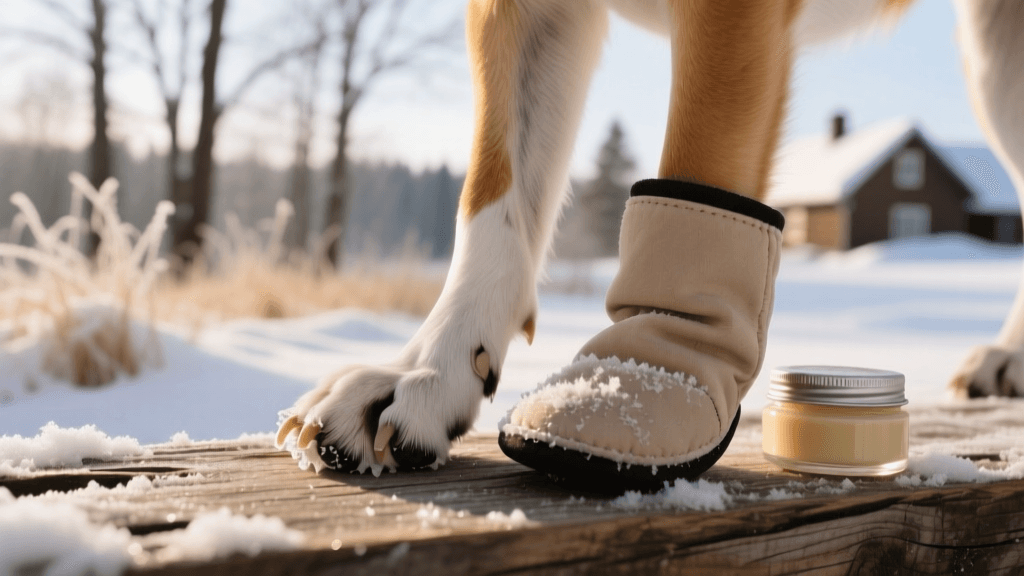
Winter brings crisp air, beautiful snowscapes, and the joy of watching your dog bound through fresh powder. However, the drop in temperature also introduces significant hazards to your dog's most vulnerable extremities: their paws. As a responsible dog owner, understanding how to protect your dog's paw pads from freezing temperatures, abrasive ice, and toxic chemical de-icers is a critical component of seasonal care. In this comprehensive guide, we will explore the hidden dangers of winter walks, compare the most effective protective gear, and outline a complete pre- and post-walk routine to keep your furry friend happy and healthy all season long.
The Hidden Dangers of Winter Walks
Many pet owners assume that because their dog has a thick winter coat, they are fully protected against the elements. While a double coat might protect a Husky's core body temperature, their paw pads remain highly susceptible to environmental damage. The primary threats to your dog's paws during winter include:
- Frostbite and Hypothermia: Prolonged exposure to sub-freezing temperatures can cause the tissue in your dog's paw pads to freeze, leading to painful frostbite.
- Ice Accumulation: Snow and ice can compact between your dog's toes, forming painful ice balls that restrict movement and cause micro-tears in the skin.
- Chemical De-icers: Rock salt, calcium chloride, and ethylene glycol-based ice melts are highly irritating to paw pads. Furthermore, if your dog licks their paws after a walk, these chemicals can cause severe gastrointestinal distress and toxicity. According to the Pet Poison Helpline, ingestion of even small amounts of certain ice melts can lead to vomiting, seizures, and kidney damage.
- Abrasive Surfaces: Frozen, crusty snow acts like sandpaper, quickly wearing down the protective outer layer of the paw pads and leading to cracking and bleeding.
Booties vs. Paw Wax: A Comprehensive Comparison
When it comes to protecting your dog's paws, the two most popular solutions are dog booties and paw waxes. Choosing the right option depends on your dog's tolerance, the severity of your local winter, and your walking habits. Below is a detailed comparison to help you decide.
| Feature | Paw Wax (e.g., Musher's Secret) | Dog Booties (e.g., Ruffwear Grip Trex) |
|---|---|---|
| Average Cost | $15 - $25 per tin | $40 - $90 per set of four |
| Application Time | 1 - 2 minutes | 5 - 10 minutes |
| Protection Level | Moderate (Moisture barrier, mild cold protection) | High (Full physical barrier against ice, salt, and extreme cold) |
| Dog Tolerance | Generally high; feels like a massage | Variable; requires acclimation training |
| Best Use Case | Light snow, urban walks, quick bathroom breaks | Deep snow, hiking, heavy salt areas, extreme cold |
| Reapplication | Required every 45-60 minutes outdoors | None required during the walk |
Deep Dive: Using Paw Waxes Effectively
Paw waxes are typically made from a blend of natural waxes and oils, such as beeswax, carnauba wax, shea butter, and sweet almond oil. They work by creating a semi-permeable barrier that repels moisture and prevents snow from sticking to the pads. To use paw wax effectively, warm a small amount between your fingers and massage it thoroughly into the paw pads and the skin between the toes. For maximum effectiveness, apply the wax 15 minutes before heading outside to allow it to absorb slightly. Keep in mind that wax will wear off on rough surfaces like asphalt, so you must carry the tin with you for reapplication on walks longer than an hour.
Deep Dive: Sizing and Acclimating Dog Booties
Booties offer superior protection but are notorious for causing the 'high-step' dance in dogs that aren't used to them. Proper sizing is crucial; a bootie that is too tight will restrict circulation, while one that is too loose will twist and cause friction blisters. Always measure your dog's paw width and length while they are standing and bearing weight. To acclimate your dog to booties, follow a gradual desensitization process over 7 to 10 days. Start by simply placing the booties near their food bowl. Next, put them on one paw at a time while offering high-value treats like freeze-dried liver. Finally, have them wear all four booties indoors for short play sessions before ever attempting an outdoor walk.
The Essential Pre-Walk and Post-Walk Routine
Regardless of whether you use wax or booties, establishing a consistent seasonal routine is vital for maintaining paw health.
Pre-Walk Preparation
Before stepping out into the cold, trim the fur between your dog's toe pads. Long hair acts as a magnet for snow and ice, accelerating the formation of painful ice balls. Use blunt-nosed grooming scissors or have a professional groomer perform a 'paw pad shave' at the start of the winter season. Next, inspect the pads for any existing cracks or abrasions. If you find deep cracks, apply a veterinary-approved antibacterial ointment and opt for booties rather than wax to prevent infection.
Post-Walk Cleanup
Never let your dog lounge on the couch immediately after a winter walk. Even if you used booties, a post-walk cleanup is mandatory. Fill a shallow basin or use a portable paw plunger cup with lukewarm water. Avoid using hot water, as the sudden temperature change can be painful on cold, numb paws. Gently wash each paw to remove any residual salt, antifreeze, or chemical de-icers. Dry the paws thoroughly with a microfiber towel, paying special attention to the spaces between the toes, as trapped moisture can lead to fungal infections. Finish by applying a dog-safe paw balm to restore moisture lost to the dry winter air.
Adjusting Your Winter Walking Routine
Seasonal care also means knowing when to stay indoors. The American Veterinary Medical Association (AVMA) emphasizes that cold tolerance varies greatly depending on a dog's size, coat type, body fat, and health status. While a Malamute might thrive in 10°F (-12°C) weather, a Chihuahua or Greyhound could be at risk of hypothermia within minutes under the same conditions.
According to the ASPCA Cold Weather Safety guidelines, pets should not be left outdoors for long periods in below-freezing weather, and walks should be shortened to protect both paws and core body temperature.
As a general rule, if the temperature drops below 20°F (-6°C), limit outdoor bathroom breaks to 10-15 minutes for small or short-haired breeds. For high-energy dogs that still need to burn calories despite the freezing temperatures, you must pivot to indoor enrichment activities.
Indoor Winter Activities to Burn Energy
When the weather is simply too dangerous for prolonged outdoor exposure, mental stimulation can tire your dog out just as effectively as physical exercise. Incorporate these activities into your daily routine:
- Snuffle Mats and Foraging: Hide your dog's daily kibble ration inside a snuffle mat or scatter it across a carpeted room. Foraging engages their natural scavenging instincts and provides immense mental fatigue.
- Interactive Puzzle Toys: Invest in tiered puzzle toys (like the Outward Hound Nina Ottosson series) that require your dog to slide, lift, and spin compartments to access treats.
- Indoor Agility and Treadmills: Set up a makeshift agility course using household items like chairs and broomsticks. For severe weather climates, consider training your dog to use a dog-specific treadmill or a slat mill to maintain their cardiovascular health safely indoors.
- Hide-and-Seek: Have your dog practice a solid 'stay' command in one room while you hide in another. Call them to find you, rewarding them with a game of tug or a high-value treat when they succeed. This reinforces recall and burns mental energy.
Conclusion
Winter should be a season of joy, not a time of anxiety over your dog's health. By understanding the risks posed by ice and chemical de-icers, investing in the right protective gear—whether that means a high-quality set of Ruffwear booties or a reliable tin of Musher's Secret wax—and committing to a diligent pre- and post-walk routine, you can ensure your dog's paws stay soft, intact, and pain-free. Listen to your dog, respect the temperature limits, and embrace indoor enrichment when the mercury drops. With the right seasonal care strategy, you and your canine companion can safely enjoy the magic of winter together.
tom-renshaw
All our authors care for dogs every day — read more of their work on the authors page.