The Science of Dog Joint Supplements: What Actually Works?
Discover what veterinary science says about dog joint supplements. Learn effective dosages, ingredients like Omega-3s, and how to manage canine osteoarthritis.
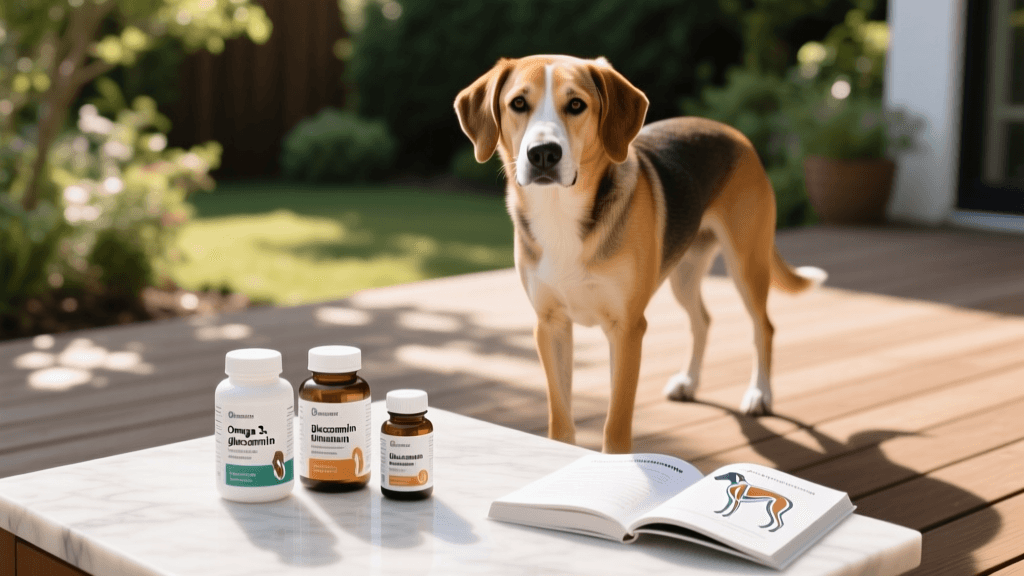
The Hidden Epidemic of Canine Osteoarthritis
Canine osteoarthritis (OA) is a progressive, degenerative joint disease that silently affects millions of dogs worldwide. According to veterinary epidemiological data, OA impacts roughly 20% of adult dogs and over 80% of senior dogs over the age of eight. As the cartilage that cushions the joints breaks down, dogs experience chronic pain, reduced mobility, and a significantly diminished quality of life. In response, the pet care industry has exploded with joint supplements, generating billions in revenue. But as a science-driven dog owner, you must ask: which of these supplements actually have peer-reviewed, clinical evidence backing their efficacy, and which are merely expensive placebos?
In this comprehensive guide, we strip away the marketing hype and examine the peer-reviewed veterinary literature regarding the most popular canine joint supplements. We will explore exact dosages, biochemical mechanisms, and actionable protocols to help you manage your dog's joint health based on empirical science.
Decoding the Science of Joint Supplements
Glucosamine and Chondroitin: The Popular Placebo?
Glucosamine hydrochloride and chondroitin sulfate are arguably the most famous joint supplements on the market. The theoretical premise is sound: these compounds are natural precursors to glycosaminoglycans (GAGs), the building blocks of articular cartilage. The hypothesis suggests that oral supplementation provides the raw materials needed to repair damaged cartilage.
However, the clinical reality is far more nuanced. A landmark systematic review published in the Veterinary Journal evaluated the efficacy of various nutraceuticals for canine OA. The researchers found that the oral bioavailability of chondroitin sulfate is notoriously poor in dogs, meaning very little of the ingested compound actually reaches the synovial fluid in the joints. While some dogs show mild symptomatic relief, the consensus among veterinary researchers is that the evidence supporting glucosamine and chondroitin as disease-modifying agents is weak at best. They may offer mild analgesic effects, but they do not halt or reverse cartilage degradation.
Scientific Verdict: Weak to moderate. If you choose to use them, ensure the product is sourced from reputable manufacturers who undergo third-party testing, as the supplement industry is largely unregulated and many products contain significantly less active ingredient than claimed on the label.
Omega-3 Fatty Acids (EPA and DHA): The Undisputed Champion
When it comes to robust, peer-reviewed scientific backing, marine-derived Omega-3 fatty acids—specifically Eicosapentaenoic acid (EPA) and Docosahexaenoic acid (DHA)—are the undisputed champions of joint health. Osteoarthritis is fundamentally an inflammatory disease. The inflamed synovial membrane releases pro-inflammatory cytokines and enzymes (like COX-2 and LOX) that destroy cartilage.
EPA and DHA alter the lipid composition of cell membranes, directly competing with arachidonic acid (an Omega-6 fatty acid). When EPA is metabolized, it produces eicosanoids that are vastly less inflammatory than those produced by arachidonic acid. Furthermore, high doses of EPA have been shown to down-regulate the expression of aggrecanases, the very enzymes that chew through joint cartilage.
A pivotal study published in the Journal of the American Veterinary Medical Association (JAVMA) demonstrated that dogs with OA fed a diet high in EPA and DHA showed significant improvements in weight-bearing and lameness scores compared to a placebo group. The key to Omega-3 efficacy is the dosage. Most commercial dog foods contain nowhere near the therapeutic threshold required to manage joint inflammation.
Scientific Verdict: Strong. Omega-3s are a cornerstone of multimodal OA management.
Green-Lipped Mussel (GLM): The Emerging Powerhouse
Sourced from the coastal waters of New Zealand, the Green-Lipped Mussel (Perna canaliculus) has gained significant traction in veterinary medicine. GLM contains a unique profile of Omega-3s, including Eicosatetraenoic acid (ETA). ETA is particularly fascinating because it acts as a dual inhibitor of both the cyclooxygenase (COX) and lipoxygenase (LOX) inflammatory pathways, mimicking the mechanism of action of prescription Non-Steroidal Anti-Inflammatory Drugs (NSAIDs), but with a vastly superior safety profile for long-term use.
Clinical trials have shown that dogs supplemented with high-quality, freeze-dried GLM powder exhibit reduced joint swelling and improved mobility within 4 to 8 weeks. It is crucial to select freeze-dried or cold-extracted lipid forms, as heat processing destroys the delicate ETA molecules.
Scientific Verdict: Moderate to Strong. An excellent adjunct therapy, especially for dogs that cannot tolerate traditional NSAIDs.
Evidence-Based Ingredient Comparison Chart
To help you navigate the crowded supplement aisle, we have compiled a data table comparing the most common joint ingredients based on veterinary literature, target dosages, and estimated monthly costs for a 50 lb (22.5 kg) dog.
| Active Ingredient | Scientific Backing | Primary Mechanism of Action | Therapeutic Dosage (50 lb Dog) | Est. Monthly Cost |
|---|---|---|---|---|
| Omega-3 (EPA/DHA) | Strong | Alters cell membrane lipids; inhibits COX/LOX pathways | 1,500 mg combined EPA/DHA daily | $15 - $30 |
| Green-Lipped Mussel | Moderate-Strong | ETA fatty acid dual-inhibits inflammatory enzymes | 500 - 1,000 mg of lipid extract daily | $20 - $40 |
| Glucosamine HCL | Weak-Moderate | Provides GAG precursors for cartilage synthesis | 1,000 - 1,500 mg daily | $10 - $25 |
| Chondroitin Sulfate | Weak | Inhibits cartilage-degrading enzymes | 800 - 1,200 mg daily | $15 - $30 |
| UC-II (Undenatured Collagen) | Moderate | Oral tolerance; modulates immune attack on cartilage | 40 mg daily (strictly dose-dependent) | $20 - $35 |
Your Actionable, Science-Backed Joint Health Protocol
Supplements alone cannot cure osteoarthritis. The WSAVA Global Pain Council Guidelines emphasize a multimodal approach to managing canine joint disease. Here is a practical, step-by-step protocol to implement at home.
Step 1: Optimize the Body Condition Score (BCS)
No supplement on earth can outwork the biomechanical stress of excess weight. Adipose (fat) tissue is not just inactive storage; it is a highly active endocrine organ that secretes pro-inflammatory adipokines, which directly worsen joint inflammation. Your dog's Body Condition Score should be a strict 4/9 or 5/9. You should be able to easily feel their ribs without pressing hard, and they should have a visible abdominal tuck. If your dog is overweight, caloric restriction is the single most effective, science-backed intervention for OA pain.
Step 2: Calculate the Exact Omega-3 Dosage
Do not rely on the feeding guidelines on the back of a generic fish oil bottle. To achieve therapeutic anti-inflammatory effects, veterinary nutritionists recommend a dosage based on metabolic body weight. A widely accepted therapeutic starting point for canine OA is 300 mg of combined EPA and DHA per 10 lbs (4.5 kg) of body weight.
- For a 30 lb dog: ~900 mg EPA/DHA daily.
- For a 50 lb dog: ~1,500 mg EPA/DHA daily.
- For an 80 lb dog: ~2,400 mg EPA/DHA daily.
Pro-Tip: Always purchase fish oil in the triglyceride (TG) form rather than the ethyl ester (EE) form, as the TG form is absorbed significantly better by the canine digestive tract. Store the oil in the refrigerator to prevent lipid oxidation (rancidity), which can cause gastrointestinal upset and negate the anti-inflammatory benefits.
Step 3: Strategic Movement and Physical Therapy
Cartilage lacks a direct blood supply; it relies on the compression and decompression of joint movement to draw in synovial fluid, which delivers nutrients and removes waste. Complete rest is detrimental to arthritic joints. Instead, enforce consistent, low-impact exercise. Avoid explosive movements like jumping into cars or chasing frisbees on hard surfaces. Opt for 20 to 30 minutes of controlled leash walking on soft terrain (like grass or dirt trails) twice daily. Swimming and underwater treadmill therapy are exceptional modalities that build supporting muscle mass without loading the joints.
Step 4: Environmental Modifications
Make your home biomechanically friendly. Place high-traction rugs or yoga mats over slippery hardwood or tile floors to prevent micro-sprains and compensatory muscle strain. Provide orthopedic beds made from high-density memory foam (at least 4 inches thick) to prevent pressure points on the elbows and hocks while resting. Use ramp systems for vehicle entry and exit, and for accessing elevated furniture.
Final Thoughts on Evidence-Based Care
The science of canine joint health has evolved far beyond simple cartilage-building blocks. While glucosamine and chondroitin remain popular, the empirical data strongly supports the use of high-dose marine Omega-3 fatty acids and specialized compounds like Green-Lipped Mussel to modulate the inflammatory cascade. By combining targeted, scientifically dosed nutraceuticals with strict weight management and environmental modifications, you can significantly alter the trajectory of your dog's osteoarthritis.
Always consult with your primary veterinarian or a board-certified veterinary nutritionist before initiating high-dose supplementation, especially if your dog is currently taking prescription NSAIDs or has a history of coagulopathies, as high doses of Omega-3s can have a mild blood-thinning effect. For a deeper dive into the clinical trials shaping modern veterinary pain management, refer to the pivotal JAVMA studies on Omega-3 efficacy and the systematic reviews on canine nutraceuticals available via the National Institutes of Health.
marcus-aldridge
All our authors care for dogs every day — read more of their work on the authors page.