Top 5 Dog Dental Care Mistakes To Avoid For Healthy Teeth
Avoid these 5 common dog dental care mistakes. Learn proper brushing techniques, safe toothpaste options, and costs to protect your pup's oral health.
The Hidden Dangers of Poor Canine Dental Health
When it comes to your dog's overall health, oral hygiene is often the most neglected aspect of their care routine. According to the American Veterinary Medical Association (AVMA), over 80% of dogs show signs of periodontal disease by the time they reach three years of age. This isn't just a cosmetic issue resulting in bad breath; untreated dental disease allows bacteria to enter the bloodstream, potentially causing severe damage to the heart, liver, and kidneys.
Despite the best intentions, many dog owners unknowingly make critical errors when attempting to maintain their pet's oral health. These mistakes can lead to behavioral aversions, toxic exposures, and ultimately, painful extractions. If you want to protect your pup's pearly whites and avoid hefty veterinary bills, here are the top five dog dental care mistakes you must avoid.
Mistake 1: Using Human Toothpaste
One of the most dangerous and frequent mistakes dog owners make is grabbing their own tube of toothpaste when brushing their dog's teeth. Human toothpaste often contains two ingredients that are highly problematic—and sometimes fatal—for canines: fluoride and xylitol.
Xylitol is an artificial sweetener found in many sugar-free human toothpastes. The ASPCA warns that xylitol is extremely toxic to dogs, causing a rapid, life-threatening drop in blood sugar (hypoglycemia) and potential acute liver failure within minutes of ingestion. Fluoride, while safe for humans to spit out, is easily swallowed by dogs and can lead to severe gastrointestinal distress and systemic toxicity.
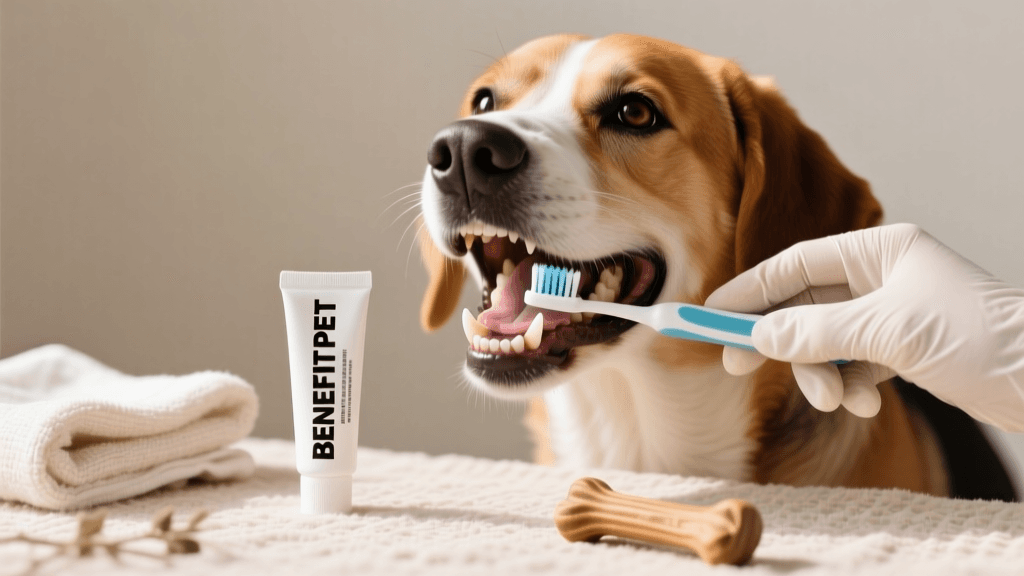
The Solution: Always use a veterinary-formulated enzymatic dog toothpaste. Products like Virbac C.E.T. Enzymatic Dog Toothpaste or Sentry Pet Care Enzymatic Toothpaste are designed to be safely swallowed. These pastes contain a dual-enzyme system (lactoperoxidase and glucose oxidase) that actively breaks down plaque even after brushing is finished. Expect to spend between $8 and $15 per tube, which typically lasts one to two months depending on the size of your dog and the frequency of brushing.
Mistake 2: Skipping the Acclimation Phase
Imagine someone suddenly forcing a bristled brush into your mouth without warning. You would likely panic and resist. Dogs are no different. Forcing a toothbrush into an unprepared dog's mouth creates a negative association, leading to a lifelong battle of wrestling and stress every time you bring out the dental supplies.
The Solution: Implement a 14-day desensitization protocol before you ever attempt a full brushing session. Patience here will save you years of frustration.
- Days 1-3: Gently massage your dog's muzzle and lift their lips. Reward with high-value treats like freeze-dried liver or small pieces of boiled chicken.
- Days 4-7: Put a dab of enzymatic dog toothpaste on your finger and let them lick it off. This builds a positive association with the taste and texture.
- Days 8-10: Introduce a silicone finger brush. Gently rub the front teeth for just 5 to 10 seconds. Praise heavily and reward.
- Days 11-14: Transition to a dual-head canine toothbrush. Brush only the outer surfaces of the canine teeth (fangs) for 10 seconds, gradually increasing the time and area covered each day.
Mistake 3: Relying Solely on Dental Chews
While dental chews and specialized kibble are excellent supplementary tools, they are not a replacement for mechanical brushing. Many owners assume that giving their dog a daily dental chew is enough to prevent plaque and tartar buildup. However, chews often miss the critical gumline and the incisors where periodontal disease frequently begins.
To understand the difference in efficacy and cost, review the comparison chart below:
| Dental Care Method | Efficacy Against Plaque | Average Cost | Recommended Frequency |
|---|---|---|---|
| Mechanical Brushing | Excellent (Gold Standard) | $10 - $15 / month | Daily or 4x per week |
| VOHC-Approved Chews | Moderate to Good | $20 - $40 / month | Daily |
| Water Additives | Low (Breath freshening) | $12 - $20 / bottle | Daily (in water bowl) |
| Professional COHAT | Curative (Removes tartar) | $300 - $1,200+ | Annually or as needed |
Note: Always look for the VOHC (Veterinary Oral Health Council) seal of acceptance on any dental chew or diet. This seal guarantees the product has met rigorous scientific standards for reducing plaque and tartar.
Mistake 4: Ignoring the Gumline and Inner Teeth
When owners finally get their dogs to tolerate brushing, they often make the mistake of aggressively scrubbing only the flat, outer surfaces of the back molars. However, plaque accumulates most rapidly at the gumline—the exact margin where the tooth meets the gingival tissue. This is where gingivitis starts.
Furthermore, while the outer (buccal) surfaces are the most critical due to the way dogs chew and salivate, completely ignoring the rest of the mouth leaves blind spots for disease. The large upper carnassial teeth (the fourth premolars) are particularly prone to heavy tartar accumulation and subsequent tooth root abscesses, which are incredibly painful and often require surgical extraction.
The Solution: Angle your brush at a 45-degree angle toward the gumline. Use gentle, circular motions rather than harsh back-and-forth scrubbing, which can cause gingival recession over time. The American Kennel Club (AKC) recommends focusing heavily on the outer surfaces and the large upper carnassial teeth, spending about 30 seconds on each side of the mouth to ensure adequate plaque disruption.
Mistake 5: Waiting for Bad Breath to See the Vet
'Dog breath' is not normal. If you can smell your dog's breath from across the room, or if it has a distinctly foul, metallic, or rotting odor, the disease process is already well underway. Halitosis is a direct result of volatile sulfur compounds produced by anaerobic bacteria hiding deep below the gumline in periodontal pockets.
Waiting until your dog is dropping food, pawing at their mouth, or exhibiting severe halitosis means you have missed the window for preventive care. At this stage, your dog likely requires a Comprehensive Oral Health Assessment and Treatment (COHAT) under general anesthesia, which may involve painful dental extractions and bone loss.
The Financial and Health Impact: A routine prophylactic dental cleaning (without extractions) typically costs between $300 and $500, including pre-anesthetic bloodwork, IV fluids, and scaling/polishing. Pre-anesthetic bloodwork is crucial to ensure your dog's liver and kidneys can safely process the anesthesia. However, if you wait until severe periodontal disease sets in, surgical extractions, dental X-rays, and post-operative pain medications can easily push the veterinary bill to $800 to $1,500 or more. More importantly, your dog will endure unnecessary chronic pain and systemic inflammation.
The Solution: Schedule an annual oral exam with your veterinarian. If the vet detects tartar buildup or early gingivitis, schedule a professional cleaning before the disease progresses to the tooth roots and jawbone. Do not wait for bad breath to be your alarm bell.
Final Thoughts on Canine Dental Care
Avoiding these common mistakes will drastically improve your dog's quality of life and longevity. By using safe, enzymatic toothpastes, taking the time to properly acclimate your dog to the brushing process, utilizing VOHC-approved products as supplements rather than replacements, employing proper brushing angles, and staying ahead of veterinary cleanings, you are setting your dog up for a lifetime of pain-free eating and overall systemic health. Remember, a few minutes of daily brushing is a small investment that yields massive dividends for your furry best friend.
hannah-wickes
All our authors care for dogs every day — read more of their work on the authors page.