The Neuroscience of Positive Reinforcement in Dog Training
Discover the science behind positive reinforcement dog training. Learn how canine neuroscience shapes behavior, reduces stress, and boosts obedience.
The Shift from Dominance to Neuroscience
For decades, dog training was heavily influenced by outdated dominance theories and the myth of the 'alpha wolf.' These methods relied on aversive techniques, physical corrections, and intimidation to force compliance. However, modern veterinary science and canine cognitive research have thoroughly debunked these approaches. Today, the gold standard in behavioral conditioning is rooted in the neuroscience of positive reinforcement. By understanding how the canine brain processes rewards, forms memories, and responds to stress, pet owners can achieve faster, more reliable, and deeper obedience without compromising their dog's psychological well-being.
According to the American Veterinary Society of Animal Behavior (AVSAB), reward-based training methods are not only more effective but also essential for protecting the human-animal bond and preventing the development of fear-based aggression. This article explores the biological mechanisms of canine learning and provides actionable, science-backed protocols to optimize your training sessions.
Canine Neurobiology: How Dogs Actually Learn
At the core of all dog training is neuroplasticity—the brain's ability to reorganize itself by forming new neural connections. When a dog learns a new behavior, such as 'sit' or 'recall,' specific neural pathways in the brain are strengthened. The primary driver of this process is the mesolimbic dopamine system.
Dopamine is frequently misunderstood as merely a 'feel-good' chemical. In reality, it is a critical neurotransmitter for prediction and learning. When a dog performs an action that results in an unexpected reward, a surge of dopamine is released in the striatum (the brain's reward center). This dopamine spike essentially 'flags' the preceding neural activity, signaling the brain to remember the exact sequence of muscle movements and environmental cues that led to the reward. Over time, the brain begins to release dopamine in anticipation of the reward, which is what we observe as 'motivation' or 'drive' during training.
Conversely, when a dog is subjected to aversive stimuli (such as leash pops, shock collars, or loud verbal reprimands), the amygdala—the brain's threat-detection center—takes over. The amygdala triggers a fight-or-flight response, flooding the body with cortisol and adrenaline. In this state of high arousal and stress, the prefrontal cortex (responsible for complex problem-solving and learning) is effectively bypassed. A stressed dog is biologically incapable of learning new, complex obedience commands.
The Physiological Cost of Aversive Training
The difference between positive reinforcement and aversive training is not just philosophical; it is measurable in the dog's bloodstream. A landmark 2020 study conducted by researchers at the University of Porto measured the salivary cortisol levels and stress behaviors of dogs undergoing different training methodologies.
| Training Methodology | Avg. Salivary Cortisol (µg/dL) | Stress Behaviors Observed | Long-Term Retention & Welfare |
|---|---|---|---|
| Positive Reinforcement (R+) | 0.15 - 0.25 (Baseline) | Low (1-2 per session) | High retention; excellent welfare |
| Aversive / Punishment (P+) | 0.40 - 0.60 (Elevated) | High (10-15 per session) | Low retention; high anxiety risk |
| Mixed Methods (R+ and P+) | 0.30 - 0.45 (Moderate) | Moderate (5-8 per session) | Inconsistent; moderate stress |
As highlighted by behavioral guidelines from the ASPCA, dogs trained with aversive methods display significantly more stress-related behaviors, including lip licking, yawning, lowered body posture, and avoidance. More importantly, the elevated cortisol levels indicate a state of chronic stress that can lead to long-term behavioral fallout, such as learned helplessness or reactive aggression.
Actionable Protocol: The 1-Second Rule and Marker Training
To effectively hijack the canine dopamine system for learning, timing is everything. Neurological studies show that the brain links a reward to a behavior only if the reward is delivered within a highly specific temporal window. For dogs, this window is approximately 1 second.
If you ask your dog to 'down' and it takes you 3 seconds to reach into your pocket, grab a treat, and deliver it, the dog's brain may associate the reward with whatever they were doing at the 2-second mark (e.g., shifting their weight, looking away, or sniffing the floor). To solve this, we use a conditioned reinforcer or 'marker.'
Implementing the Marker
- The Tool: Use a mechanical clicker (e.g., the PetSafe Clik-R Trainer, approx. $5.99) or a consistent verbal marker like the word 'Yes!' spoken in a sharp, high-pitched tone.
- The Conditioning Phase: Spend 10 repetitions simply clicking the clicker and immediately delivering a treat. This builds a neurological bridge, teaching the dog that the 'click' sound predicts a dopamine reward.
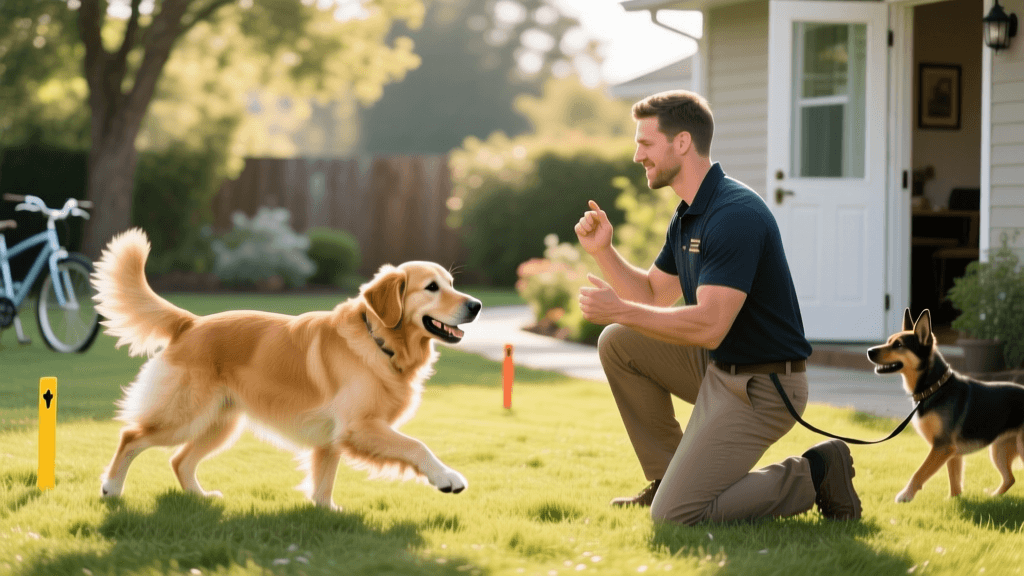
- The Application: The exact millisecond your dog's elbows touch the floor during a 'down' command, click the clicker. You now have up to 3-5 seconds to deliver the actual food reward. The click 'freezes' the behavior in the dog's working memory.
Reward Valuation: Matching Treats to Environmental Distraction
Not all rewards are created equal in the canine brain. The value of a reward dictates the amount of dopamine released, which in turn dictates the dog's willingness to perform in distracting environments. This aligns with the Yerkes-Dodson law, which states that performance increases with physiological or mental arousal, but only up to a certain point. If the environment is too stimulating, a low-value reward will fail to capture the dog's focus.
Certified professionals aligned with Fear Free Pets emphasize the importance of matching treat value to the environment to keep the dog under their stress threshold. Here is a science-backed reward valuation guide:
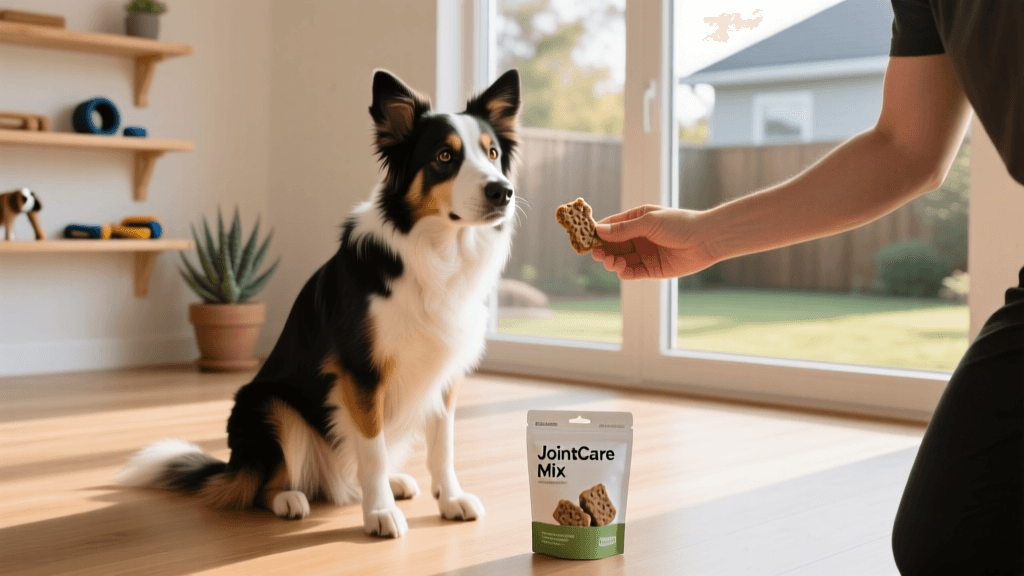
- Low-Value Rewards (Baseline Dopamine): Standard dry kibble or baked flour biscuits. Cost: ~$0.10 per ounce. Use Case: Low-distraction environments like your living room, practicing known behaviors, or feeding 80% of their daily caloric intake during training to prevent obesity.
- Medium-Value Rewards (Moderate Dopamine): Soft, semi-moist treats like Zuke's Mini Naturals (approx. $6.99 for 6oz). These are highly palatable and quick to chew, keeping training momentum high. Cost: ~$1.16 per ounce. Use Case: Moderate distractions, such as the backyard, quiet neighborhood walks, or learning new, complex tricks.
- High-Value Rewards (Maximum Dopamine): Freeze-dried beef liver (e.g., Stewart Pro-Treat, approx. $12.99 for 5.5oz), boiled chicken breast, or string cheese. Cost: ~$2.36+ per ounce. Use Case: High-distraction or high-stress environments, such as public parks, vet clinics, or counter-conditioning for reactive triggers (e.g., other dogs, strangers). The massive dopamine release helps override the amygdala's fear response.
Pro-Tip: Treats should be cut into pea-sized cubes (approx. 1/4 inch). The canine brain registers the frequency of the reward more strongly than the volume. Giving ten tiny pieces of chicken releases more cumulative dopamine than one large chunk, while keeping your dog's waistline in check.
Operant Conditioning: The Power of Variable Ratio Schedules
When first teaching a behavior, you must use a Continuous Reinforcement Schedule (CRF)—rewarding the dog every single time they perform the action. This rapidly builds the neural pathway. However, if you stay on CRF forever, the dog will eventually experience 'reward satiation,' and the behavior will extinguish if a reward is not immediately visible.
To build bulletproof obedience, you must transition to a Variable Ratio (VR) Schedule. In behavioral psychology, this is known as the 'slot machine effect.' Because the dog does not know which attempt will yield the jackpot, they continue to perform the behavior with high vigor and persistence.
How to Implement a VR-3 Schedule:
- Ask for a 'sit' and reward (1st rep).
- Ask for a 'sit' and reward (2nd rep).
- Ask for a 'sit', mark with a clicker, but only offer verbal praise and physical petting instead of food (3rd rep).
- Ask for a 'sit' and reward with a high-value treat (4th rep).
- Ask for a 'sit' twice in a row before rewarding (5th and 6th reps).
By randomizing the reward schedule, you create a state of 'seeking' in the dog's brain, which is highly stimulating and builds long-term habit formation.
Sleep and Memory Consolidation
One of the most overlooked aspects of science-backed dog training is what happens after the session ends. Neurological research demonstrates that the brain does not consolidate motor skills and complex associations while awake; it consolidates them during sleep. Specifically, during the REM and slow-wave sleep cycles, the hippocampus 'replays' the neural firing patterns experienced during training, transferring them to the neocortex for long-term storage.
If you are teaching a highly complex behavioral chain (such as agility weave poles or advanced scent work), keep your training sessions strictly to 5 to 10 minutes. After the session, encourage your dog to take a nap. A 90-minute sleep cycle following a rigorous learning session has been shown to significantly improve a dog's accuracy and speed when the behavior is tested the following day. Overtraining a tired dog leads to cognitive fatigue, frustration, and the degradation of the very neural pathways you are trying to build.
Conclusion
Effective dog training is not about asserting dominance; it is about applied neuroscience. By leveraging the dopamine system through precise marker timing, matching reward valuation to environmental distractions, utilizing variable ratio schedules, and respecting the biological necessity of sleep consolidation, you can unlock your dog's full cognitive potential. Science-backed positive reinforcement not only yields superior obedience and trick retention but also ensures that your dog remains a confident, emotionally balanced, and joyful companion for life.
anouk-beaumont
All our authors care for dogs every day — read more of their work on the authors page.