Science-Backed Joint Supplements for Dogs: Omega-3 vs Glucosamine
Discover science-backed insights on dog joint supplements. Compare Omega-3 fatty acids and glucosamine for canine osteoarthritis with exact dosages.
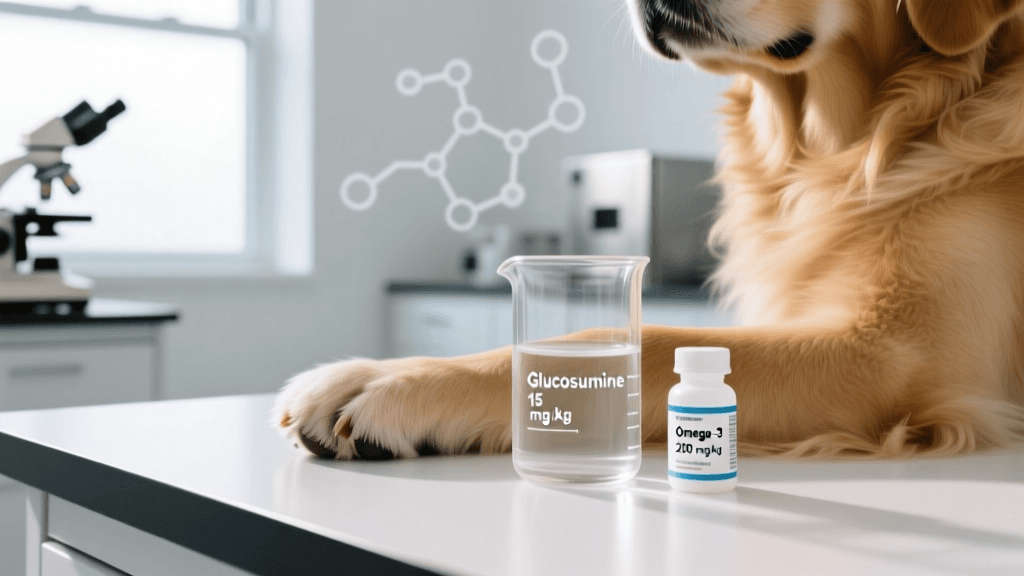
The Science of Canine Osteoarthritis and Nutraceuticals
Canine osteoarthritis (OA) is a progressive, degenerative joint disease that affects up to 80% of dogs over the age of eight. Characterized by the breakdown of articular cartilage, synovial inflammation, and subsequent bone remodeling, OA leads to chronic pain and reduced mobility. While non-steroidal anti-inflammatory drugs (NSAIDs) remain the cornerstone of acute pain management, long-term reliance on these medications can pose risks to canine hepatic and renal health. Consequently, veterinary science has increasingly turned toward multimodal management, placing a heavy emphasis on targeted nutraceuticals.
Among the myriad of joint supplements lining the shelves of pet stores, two categories dominate the market: Glucosamine/Chondroitin Sulfate and Omega-3 Fatty Acids (EPA/DHA). However, marketing claims often outpace clinical evidence. As a science-backed resource, we will dissect the biochemical mechanisms, clinical efficacy, exact therapeutic dosages, and cost-effectiveness of these two supplement classes to help you make an evidence-based decision for your dog's joint health.
Glucosamine and Chondroitin: The Chondroprotective Approach
Glucosamine hydrochloride (HCl) and chondroitin sulfate are naturally occurring structural components of the extracellular matrix in articular cartilage. The theoretical mechanism of action is chondroprotection—providing the raw building blocks necessary for chondrocytes to synthesize glycosaminoglycans (GAGs) and proteoglycans, thereby slowing cartilage degradation.
Clinical Evidence and Bioavailability
Despite their immense popularity, the clinical evidence supporting oral glucosamine and chondroitin is mixed. A comprehensive systematic review published in veterinary literature indicates that while these compounds show promise in in vitro models, oral bioavailability in canines is relatively low. The gastrointestinal tract breaks down a significant portion of the large molecules before they can reach the synovial fluid.
However, modern formulations have evolved. The addition of Avocado/Soybean Unsaponifiables (ASU) and Boswellia serrata has been shown to synergistically inhibit matrix metalloproteinases (MMPs)—the enzymes responsible for destroying cartilage. Products like Dasuquin Advanced leverage this combination, offering superior clinical outcomes compared to standalone glucosamine.
Dosage and Cost
- Loading Dose (Weeks 1-4): 40 to 50 mg/kg of Glucosamine HCl daily.
- Maintenance Dose (Week 5+): 20 to 25 mg/kg of Glucosamine HCl daily.
- Chondroitin Sulfate: Generally dosed at 15 to 20 mg/kg daily.
- Average Monthly Cost: $35 to $60 for a medium-sized dog (50 lbs), depending on the inclusion of patented ASU or eggshell membrane ingredients.
Omega-3 Fatty Acids (EPA and DHA): The Anti-Inflammatory Powerhouse
Omega-3 polyunsaturated fatty acids, specifically Eicosapentaenoic Acid (EPA) and Docosahexaenoic Acid (DHA), approach joint health from a completely different biochemical angle: competitive inflammatory modulation.
The Eicosanoid Pathway
In an arthritic joint, cell membrane phospholipids containing arachidonic acid (an Omega-6 fatty acid) are released and converted by cyclooxygenase (COX) enzymes into Prostaglandin E2 (PGE2), a potent mediator of pain and inflammation. When a dog is supplemented with high doses of EPA and DHA, these Omega-3s incorporate into the cell membranes, effectively outcompeting arachidonic acid. When EPA is acted upon by COX enzymes, it produces PGE3, a vastly less inflammatory compound. This biochemical shift dramatically reduces the inflammatory cascade within the synovial fluid.
According to the American College of Veterinary Surgeons (ACVS), dietary modulation with Omega-3s is one of the most strongly supported non-pharmacological interventions for canine OA, capable of reducing the required dosage of NSAIDs.
Dosage, Form, and Cost
The therapeutic dose for canine OA is significantly higher than the dose required for general coat health. Veterinary nutritionists recommend a combined EPA/DHA dose of 100 mg per kg of body weight daily, or specifically 370 mg of EPA per kg of metabolic body weight (kg^0.75).
Furthermore, the form of the fish oil matters. The natural triglyceride (rTG) form is absorbed up to 70% more efficiently in the canine gut compared to the synthetic ethyl ester (EE) form found in cheaper supplements.
- Therapeutic Dose (50 lb / 22.7 kg dog): ~2,270 mg of combined EPA/DHA daily.
- Recommended Products: Nordic Naturals Omega-3 Pet or Grizzly Salmon Plus (ensure they are rTG form and third-party tested for heavy metals).
- Average Monthly Cost: $25 to $45, depending on the concentration of the oil.
Head-to-Head Comparison: Omega-3s vs. Glucosamine
| Feature | Glucosamine / Chondroitin / ASU | Omega-3 Fatty Acids (EPA / DHA) |
|---|---|---|
| Primary Mechanism | Cartilage building blocks; MMP inhibition | Cell membrane modulation; COX pathway competition |
| Primary Target | Structural integrity of the joint matrix | Synovial inflammation and pain signaling |
| Onset of Action | 4 to 8 weeks | 3 to 6 weeks (requires cellular membrane saturation) |
| Clinical Evidence | Moderate (Mixed bioavailability data) | Strong (Robust peer-reviewed consensus) |
| Secondary Benefits | Gut mucosal lining support | Cardiac, renal, and cognitive health |
Actionable Protocol: Building a Science-Backed Joint Stack
Because Glucosamine/ASU and Omega-3s target entirely different pathways of osteoarthritis, veterinary nutritionists often recommend combining them for a synergistic effect. The World Small Animal Veterinary Association (WSAVA) emphasizes that nutraceuticals should be integrated into a broader nutritional and weight-management plan.
Step 1: Calculate and Weigh
Obesity exacerbates joint loading and creates a state of systemic inflammation due to adipokines released by fat tissue. Before starting supplements, ensure your dog is at an ideal Body Condition Score (BCS 4-5/9). Calculate the exact EPA/DHA requirement based on their lean body weight.
Step 2: Administration Timing
Omega-3 fatty acids are fat-soluble. To maximize absorption and prevent the oil from oxidizing in the stomach, administer fish oil pumps directly onto a meal that contains dietary fats. Glucosamine and ASU chewables can be given as treats or hidden in a pill pocket, ideally split into two doses (morning and evening) to maintain steady blood plasma levels.
Step 3: The 8-Week Re-evaluation
Nutraceuticals are not fast-acting analgesics. Commit to the therapeutic loading doses for a minimum of 8 weeks. Track your dog's mobility using a standardized metric, such as the time it takes to rise from a lying position or their willingness to climb stairs. If no improvement is seen after 8 weeks, consult your veterinarian about adding a prescription NSAID or a monoclonal antibody therapy like Librela (bedinvetmab).
Safety Considerations and Potential Adverse Effects
While generally safe, high-dose supplementation requires monitoring. According to a comprehensive review on the adverse effects of Omega-3s published by the National Center for Biotechnology Information (NCBI), excessive intake of fish oil can lead to altered platelet function (prolonged bleeding times), gastrointestinal distress, and immune system suppression.
Veterinary Warning: If your dog is scheduled for surgery, or is currently taking prescription anticoagulants, you must discontinue high-dose Omega-3 supplementation at least 7 to 10 days prior to the procedure to prevent hemorrhagic complications.
Additionally, liquid fish oils are calorically dense. A single tablespoon of salmon oil can contain over 120 calories. You must deduct these calories from your dog's daily kibble allowance to prevent iatrogenic weight gain, which would ultimately defeat the purpose of joint therapy.
Conclusion
When navigating the saturated market of canine joint supplements, relying on biochemical evidence rather than marketing hype is crucial. Glucosamine and ASU offer valuable structural support and enzymatic inhibition, while Omega-3 fatty acids (EPA/DHA) provide profound, science-backed modulation of joint inflammation. By calculating precise therapeutic dosages, selecting highly bioavailable forms like rTG fish oils, and integrating these supplements into a comprehensive weight-management strategy, you can significantly improve your dog's quality of life and mobility in their senior years.
marcus-aldridge
All our authors care for dogs every day — read more of their work on the authors page.