Scent Work Bonding Games For Anxious Rescue Dogs 2026
Discover how scent work and foraging toys build trust with anxious rescue dogs. Learn 2026 techniques, top puzzles, and step-by-step bonding exercises.
Building Trust With Anxious Rescues Through Scent Work in 2026
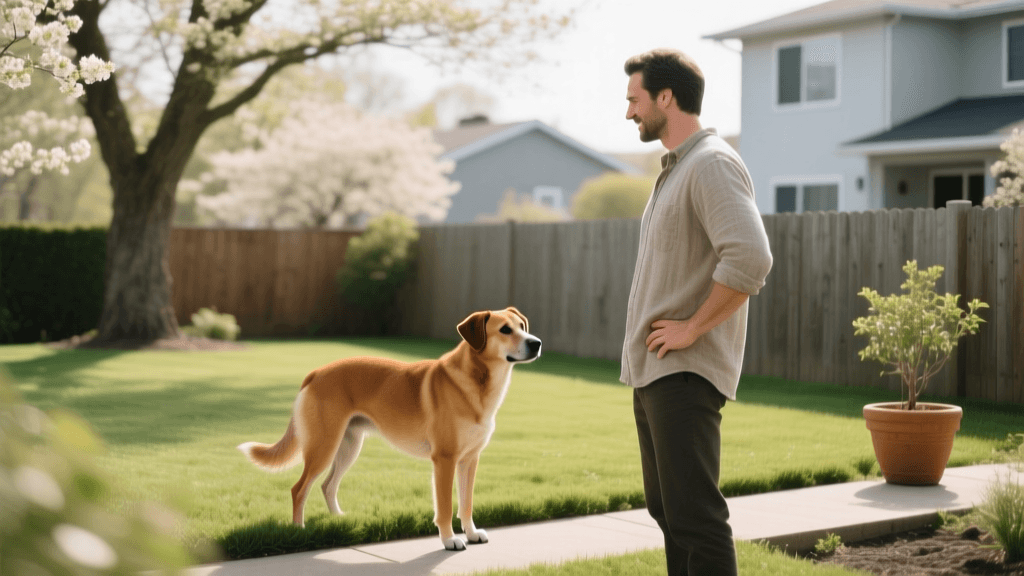
Adopting a rescue dog is a profound commitment, but bringing home a dog with a complex behavioral background or deep-seated anxiety requires a specialized approach to training. As we navigate the dog training landscape in 2026, veterinary behaviorists heavily emphasize moving away from high-pressure, obedience-heavy routines during the critical decompression phase. Instead, the focus has shifted toward cooperative, enrichment-based bonding. According to the Humane Society of the United States, allowing a newly adopted dog to engage in natural, instinctual behaviors is one of the fastest ways to build a foundation of trust and psychological safety.
For anxious or fearful rescue dogs, traditional obedience commands like 'sit' or 'stay' can inadvertently increase stress if the dog does not yet understand the handler's cues or feels pressured to perform. Scent work and interactive foraging, however, bypass the pressure of compliance. They tap directly into a dog's evolutionary biology, offering a low-stress, high-reward avenue for relationship building. This guide explores how to use scent work and foraging tools to forge an unbreakable bond with your anxious rescue dog in 2026.
The Science of Scent and Trust
Why is sniffing so effective for bonding? A dog's olfactory system is their primary way of interpreting the world. With up to 300 million olfactory receptors (compared to our mere 6 million), a dog's brain is hardwired to process scent. When a dog engages in deep, focused sniffing, their heart rate actually decreases, and their brain releases dopamine—the neurotransmitter associated with pleasure and reward.
By facilitating scent-based games, you are not just entertaining your dog; you are actively helping them regulate their nervous system. When you are the provider of these calming, enriching experiences, your dog begins to associate your presence with safety, autonomy, and joy. This is the core of modern relationship building. The American Kennel Club notes that nose work is uniquely beneficial for shy or reactive dogs because it builds confidence in a controlled, non-threatening environment, allowing the dog to take the lead while the handler acts as a supportive partner.
Top Foraging and Scent Tools for Rescue Bonding
To implement a successful scent-based bonding protocol, you need the right equipment. In 2026, the market for canine enrichment has expanded, offering highly durable, mentally stimulating tools designed specifically for anxiety reduction.
1. The Paw5 Wooly Snuffle Mat
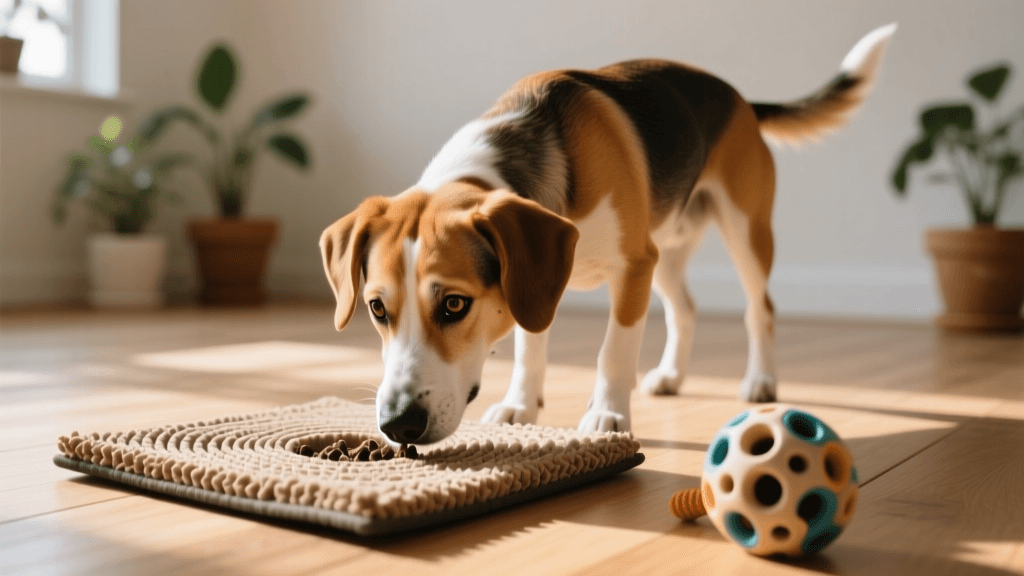
The Paw5 Wooly Snuffle Mat remains a gold standard for indoor foraging. Priced around $55 in 2026, this mat is made from upcycled, machine-washable materials that mimic the texture of tall grass. For an anxious rescue, the deep pile allows them to bury their snout and engage in sustained, calming sniffing sessions. It is an excellent tool for transitioning a fearful dog from eating out of a stressful stainless-steel bowl to eating in a relaxed, exploratory state.
2. Nina Ottosson Dog Brick Puzzle
Interactive puzzles require a dog to use their nose and paws to uncover hidden treats. The Nina Ottosson Dog Brick (Level 2 Intermediate) costs approximately $32 and features sliding blocks and flip lids. This tool builds a specific type of bond: the 'teamwork' bond. When your dog gets stuck, you can offer gentle, non-verbal guidance, teaching them that you are a helpful partner in problem-solving rather than a source of frustration.
3. Basic Birch Scent Kits
For dogs ready to advance beyond food foraging, introducing a target odor like Birch is the next step. Entry-level scent kits, which include essential oil vials, Q-tips, and metal tins, cost around $40. The National Association of Canine Scent Work (NACSW) advocates for starting with Birch as it is a distinct, safe, and easily recognizable odor for dogs. Scent work elevates the bond from simple treat-dispensing to genuine communication and shared purpose.
Comparison Chart: Bonding Tools for Anxious Dogs
| Tool | 2026 Avg Cost | Difficulty | Primary Bonding Benefit |
|---|---|---|---|
| Paw5 Wooly Snuffle Mat | $55 | Beginner | Encourages calm, shared relaxation and decompression. |
| Nina Ottosson Dog Brick | $32 | Intermediate | Builds problem-solving confidence and cooperative teamwork. |
| Birch Scent Kit (Intro) | $40 | Advanced | Fosters deep communication, trust, and shared purpose. |
Step-by-Step Scent Bonding Protocol
When working with a rescue dog, patience is paramount. Follow this 4-week progression to build trust without overwhelming your dog's nervous system.
Week 1: The Scatter Feed and Hand-Feeding
Before introducing toys, start with the floor. Scatter your dog's daily kibble over a 5x5 foot area of a quiet room. Sit on the floor nearby, reading a book or looking at your phone, completely ignoring the dog. This teaches the dog that your presence is safe and non-demanding. If the dog is comfortable, begin offering high-value treats (like boiled chicken or freeze-dried liver) directly from your hand, allowing the dog to approach you on their own terms.
Week 2: Introduction to the Snuffle Mat
Place the snuffle mat in the center of the room. Bury a few high-value treats deep within the fabric folds. Encourage your dog to investigate by pointing to the mat, but do not force them. If they are hesitant, place a treat on the very edge. As they sniff, offer quiet, calm verbal praise ('Good sniffing'). Your role here is to be a supportive observer, allowing the dog to experience the dopamine rush of the hunt while you provide a safe perimeter.
Week 3: Basic Hide and Seek
Once your dog is confident with the mat, move to hiding treats around the room while they wait in another area (or are held gently by a family member). Use a release cue like 'Find it!' and follow them as they search. When they locate the treat, celebrate with them. This phase builds the 'joy of the shared game,' showing the dog that working with you leads to exciting, positive outcomes.
Week 4: Target Odor Introduction
If your dog has shown high enthusiasm for food hiding, introduce a Birch scent tin. Hide the tin in an easy, accessible location and reward heavily with food when they investigate the smell. This transitions the dog from hunting for survival (food) to hunting for the joy of the game and your praise, cementing a profound psychological bond.
Handler Body Language and Decompression Walks
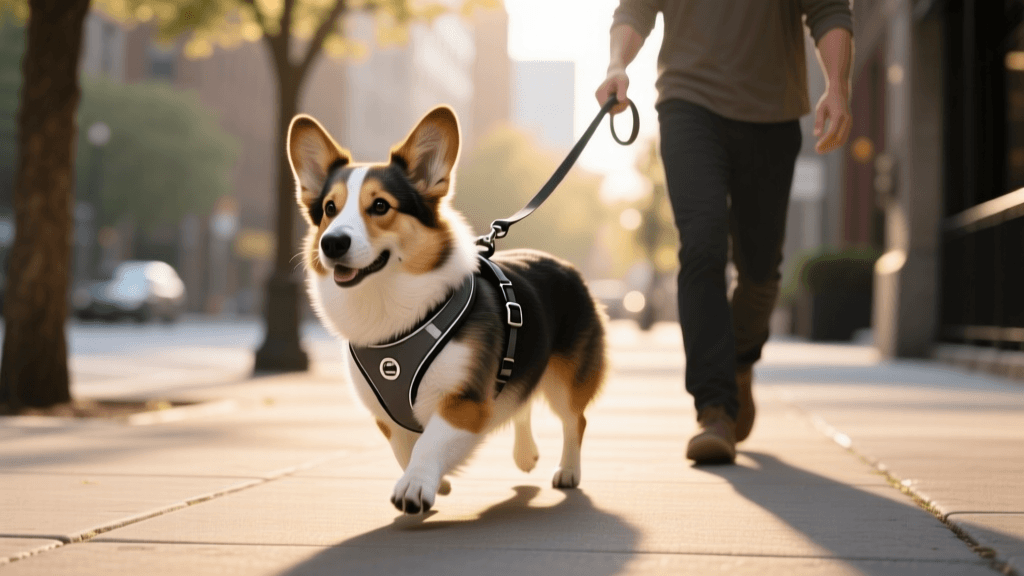
Scent work is not confined to the living room; it is a vital component of the 'decompression walk.' In 2026, canine behaviorists strongly advise against forcing anxious rescues to 'heel' on structured walks during their first few months. Instead, use a long line (15 to 30 feet) in a safe, enclosed area and allow the dog to dictate the pace and direction of the walk.
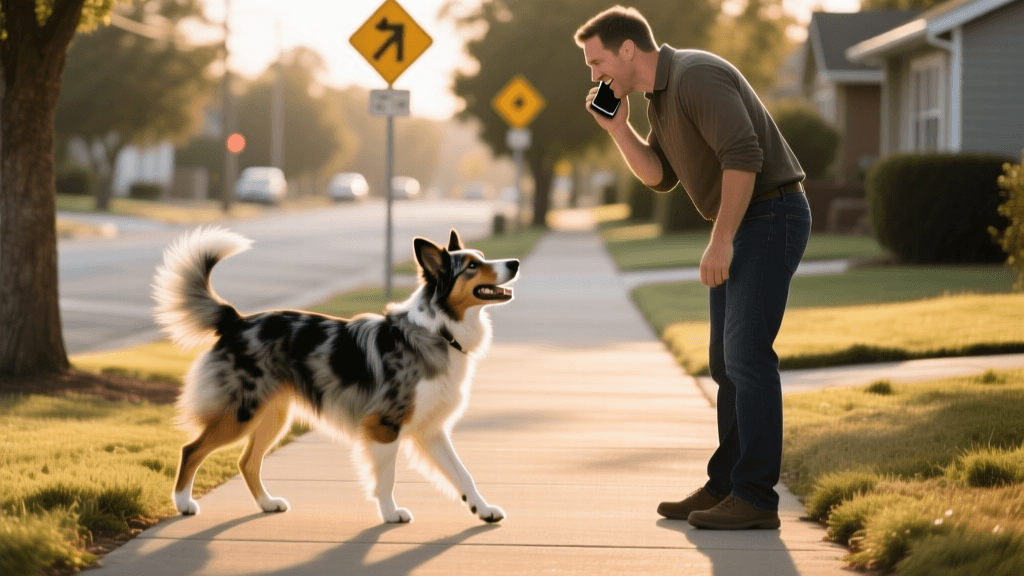
Your body language plays a critical role in how your dog perceives you during these sessions. Avoid looming over the dog or making direct, prolonged eye contact, which can be perceived as threatening. Instead, adopt a side-on posture, keep your shoulders relaxed, and blink softly. When your dog stops to sniff a bush for three minutes, stand quietly and wait. By honoring their need to process environmental scents, you communicate respect for their boundaries, which is the ultimate foundation of trust.
Common Mistakes to Avoid
- Rushing the Process: Moving to complex puzzles before the dog is comfortable with basic scatter feeding can cause frustration and shutdown.
- Correcting the Sniff: Never pull a dog away from a scent source abruptly. Allow them to finish processing the information; interrupting scent work spikes cortisol levels.
- Over-Praising: Loud, boisterous praise can startle an anxious rescue. Keep your tone low, soft, and soothing during scent games.
- Leaving Puzzles Unattended: Foraging toys should be interactive. Put them away when the game is over to maintain their novelty and value.
Conclusion
Building a relationship with an anxious rescue dog is a journey of empathy, patience, and understanding. By leveraging the power of scent work and interactive foraging in 2026, you provide your dog with an outlet for their natural instincts while positioning yourself as a source of safety, enrichment, and joy. Put away the leash corrections and the strict obedience demands for now; grab a snuffle mat, scatter some treats, and let your dog's nose lead the way to a lifelong, unbreakable bond.
tom-renshaw
All our authors care for dogs every day — read more of their work on the authors page.