No-Pull Harness Training 2026: Stop Leash Pulling Fast
Learn how to stop leash pulling in 2026 using a front-clip no-pull harness and the stop-and-reset training method for safer, enjoyable daily walks.
Mastering the No-Pull Harness: A 2026 Training Guide
Leash pulling remains one of the most common and frustrating behavioral challenges for dog owners. When a dog drags you down the sidewalk, walks transform from a relaxing bonding experience into a physically exhausting chore. In 2026, the pet industry has introduced advanced harness designs featuring aerospace-grade mesh, dual-clip standardizations, and ergonomic chest plates. However, even the most technologically advanced no-pull dog harness is not a magic wand. It is a communication tool that must be paired with consistent, positive reinforcement training to yield lasting results.
This comprehensive guide will walk you through the biomechanics of front-clip harnesses, compare the top models available this year, and detail the highly effective Stop-and-Reset training protocol to teach your dog loose-leash walking.
The Biomechanics of the Front-Clip Harness
To understand why a no-pull harness works, we must look at canine biomechanics. Traditional back-clip harnesses distribute pressure across the dog's chest and shoulders, which inadvertently triggers the opposition reflex. This is the same instinct that allows sled dogs to pull heavy loads; when they feel pressure from behind, they lean forward and pull harder.
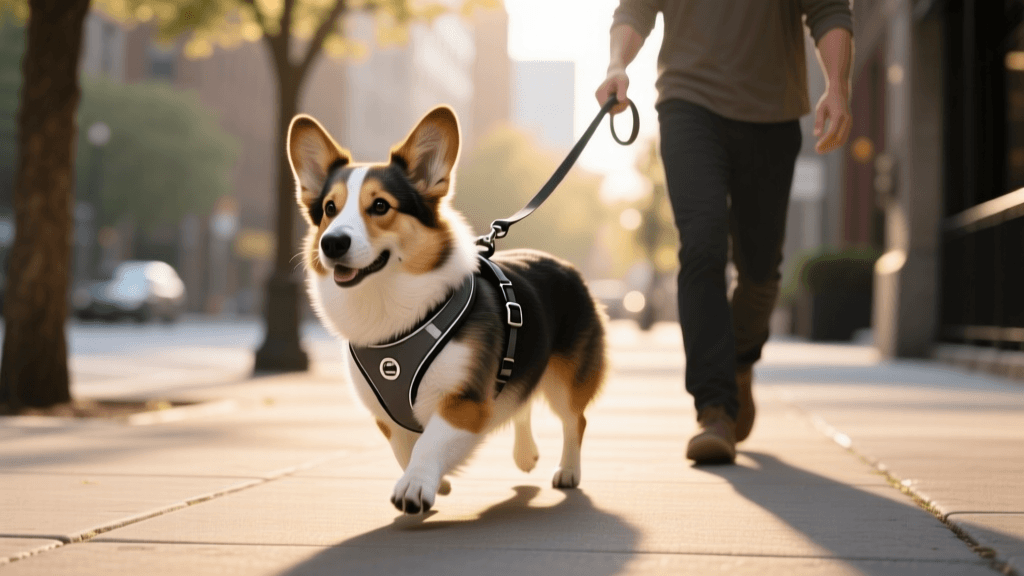
A front-clip harness features a leash attachment ring located on the sternum. When the dog pulls forward and reaches the end of the leash, the front attachment point gently redirects the dog's center of gravity back toward the handler. According to the American Kennel Club, this redirection naturally discourages pulling without causing tracheal damage or discomfort, making it the gold standard for behavioral conditioning in 2026.
Top No-Pull Harness Models of 2026
Selecting the right gear is the first step in your training journey. The current market offers several exceptional options tailored to different body types and pulling strengths. Below is a comparison of the most highly rated front-clip harnesses available this year.
| Harness Model | Front Clip Type | Best For | 2026 Price |
|---|---|---|---|
| Ruffwear Front Range | Reinforced Webbing Loop | Everyday walking and mild pullers | $45.95 |
| 2Hounds Design Freedom | Stainless Steel O-Ring | Strong pullers and broad-chested breeds | $42.00 |
| Kurgo Tru-Fit Smart | Padded Chest D-Ring | Escape artists and sensitive skin | $39.99 |
When fitting any of these harnesses, ensure you can slide exactly two fingers between the straps and your dog's body. A poorly fitted harness can cause chafing and alter the mechanical advantage of the front clip.
The Stop-and-Reset Training Protocol
Equipped with a properly fitted front-clip harness, you are ready to begin the Stop-and-Reset protocol. This method relies on operant conditioning, teaching the dog that tension on the leash results in a cessation of forward movement, while a loose leash yields the reward of exploration.
Phase 1: Indoor Desensitization and Engagement
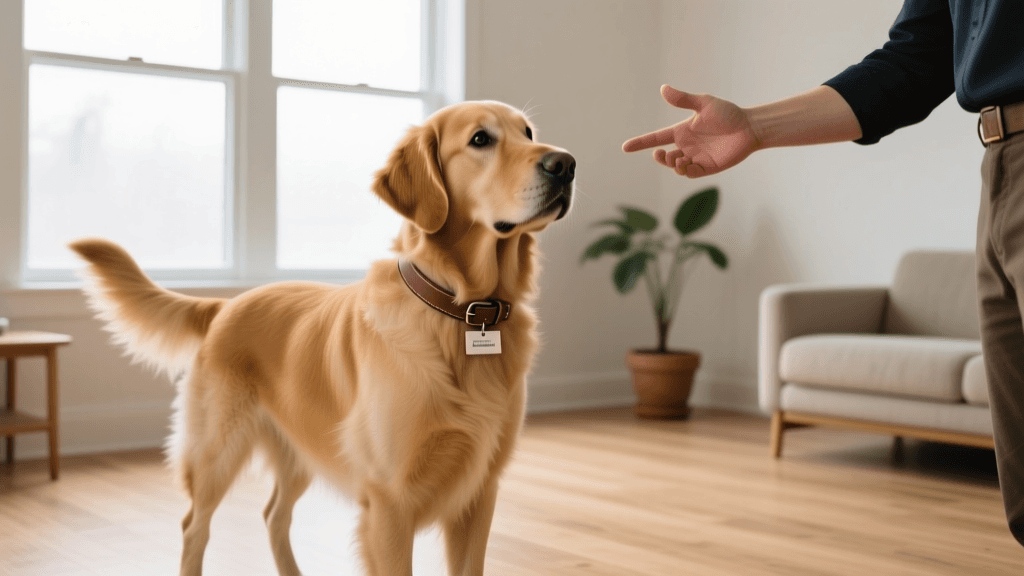
Before hitting the distracting outdoors, start in your living room. Put the harness on your dog and let them wear it while they eat a meal or play with a favorite toy. This builds a positive emotional response to the gear. Next, attach a standard 4-to-6-foot biothane or leather leash. Avoid retractable leashes entirely, as they teach dogs that pulling extends their range. Practice walking around your kitchen island, rewarding your dog with high-value treats (like freeze-dried liver or boiled chicken) every three to four steps when the leash remains in a relaxed, J-shaped curve.
Phase 2: The Red Light, Green Light Game
Move to a low-distraction outdoor environment, such as a quiet cul-de-sac or an empty tennis court. Begin walking at a normal pace. The moment you feel tension on the leash and the front clip engages, immediately stop walking. Become a tree. Do not jerk the leash, do not yell, and do not pull the dog back. Simply stand completely still.
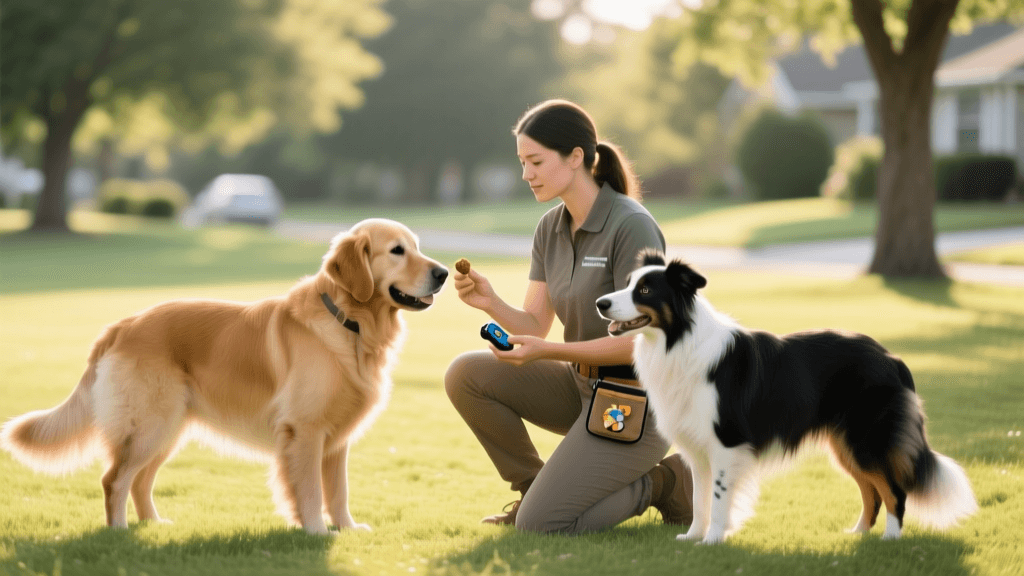
Wait for your dog to look back at you or take a single step backward, which naturally releases the tension on the leash. The second the leash is loose, mark the behavior with a verbal 'Yes!' or a clicker, and resume walking. This teaches the dog a clear cause-and-effect relationship: pulling turns off the forward motion, and relaxing turns it back on.
Phase 3: The 180-Degree Pivot
If your dog is highly motivated by a specific trigger (like a squirrel or another dog) and the Red Light method is not enough to break their focus, implement the 180-Degree Pivot. When the dog hits the end of the leash and begins to pull, silently turn around and walk in the exact opposite direction. The front-clip harness will gently guide the dog's shoulders around. When the dog catches up to you and is walking by your side, reward them heavily. This technique, highly recommended by VCA Animal Hospitals, reinforces the concept that the handler's direction is the only path to forward progress.
Lowering Arousal with the Scatter Game
Many dogs pull simply because their arousal levels are too high to process training cues. In 2026, certified behaviorists heavily emphasize the 'Find It' scatter game to lower canine heart rates during walks. If your dog begins to fixate and pull toward a distraction, toss a handful of treats into the grass and say 'Find It.' Sniffing is a naturally calming behavior for dogs that engages their parasympathetic nervous system. Once the dog has finished foraging and their arousal level has dropped, you can resume your structured loose-leash walking.
Critical Mistakes to Avoid
Even with the best no-pull harness, owners often sabotage their own progress by making common errors. Avoid these pitfalls to ensure your training remains effective:
- Using Retractable Leashes: These devices maintain constant, light tension on the leash, which trains the dog to ignore pressure entirely. Stick to a fixed-length leash.
- Leash Popping or Jerking: Jerking the leash can cause whiplash and damage the dog's cervical spine, even with a harness. It also increases frustration and reactivity.
- Inconsistent Rules: If you allow your dog to pull you to a fire hydrant on Tuesday, but correct them for pulling to a tree on Wednesday, the dog will never understand the criteria. Every single step must require a loose leash.
- Incorrect Harness Fit: If the chest strap is too low, it restricts shoulder extension. If it is too high, it can press against the trachea.
Realistic Timelines and Expectations
Behavioral conditioning is a marathon, not a sprint. The timeline for curing leash pulling depends heavily on the dog's age, breed drive, and reinforcement history. A young puppy with no prior pulling history may master the front-clip harness protocol in two to three weeks. An adult rescue dog that has spent three years successfully pulling to get where they want to go may require three to six months of consistent, daily practice.
'Patience and consistency are the true tools of dog training. The harness merely provides the physical feedback; your consistency provides the mental clarity your dog needs to succeed.'
Celebrate the small victories. If your dog only pulled for 10 percent of the walk today instead of 50 percent, that is a massive improvement. Keep your training sessions short, end on a positive note, and always reward the slack in the leash. By combining the mechanical advantage of a modern 2026 no-pull harness with the Stop-and-Reset protocol, you will transform your daily walks into a peaceful, cooperative experience for both you and your canine companion.
marcus-aldridge
All our authors care for dogs every day — read more of their work on the authors page.