2026 Guide: Boundary Training After Moving To A New Home
Master the 3-week boundary and recall protocol for your dog after a 2026 home move. Reduce stress and build reliable obedience in your new yard.
The Hidden Stress of Relocation
Moving to a new home is one of the most disruptive life transitions you can experience, and for your dog, it is no different. Dogs are creatures of deep habit and spatial memory. When you transition from an apartment to a house with a yard, or move to a completely new neighborhood, your dog loses the familiar scent markers, routine acoustics, and spatial boundaries they have spent years memorizing. According to the ASPCA's guide on moving with pets, maintaining a strict routine and establishing immediate safe zones are critical to preventing anxiety-induced behavioral regressions.
In 2026, modern canine behavioral science emphasizes a structured, phased approach to relocation. Rather than simply opening the back door and hoping your dog understands the new property lines, professional trainers recommend a deliberate 'Three-Week Boundary and Recall Protocol.' This method systematically introduces your dog to their new environment, prioritizing decompression, perimeter mapping, and reliable recall proofing.
Essential Gear for 2026 Home Transitions
Before initiating the training protocol, ensure you have the right equipment. The market has evolved, and leveraging modern tools will make this transition significantly smoother. Below is a breakdown of the essential gear required for this specific training protocol, along with current 2026 pricing estimates.
| Equipment | Primary Purpose | 2026 Estimated Cost |
|---|---|---|
| Diggs Revol or Equivalent Smart Crate | Indoor decompression and safe zone anchoring | $195 - $245 |
| 30-Foot Biothane Long Line | Outdoor perimeter mapping and safe recall practice | $35 - $50 |
| GPS Smart Collar (e.g., Fi Series 3 or Tractive) | Geofencing alerts and yard escape prevention | $120 + $8/mo sub |
| Freeze-Dried High-Value Treats | Recall proofing and boundary marker rewards | $25 - $40 |
| Enzymatic Scent Neutralizer | Removing previous pet odors from the new home | $15 - $20 |
Phase 1 (Days 1-7): Indoor Decompression and Scent Mapping
The first week in a new home should not involve off-leash yard exploration. The Humane Society of the United States notes that dogs often exhibit a 'honeymoon period' or immediate stress responses when moved, making them highly prone to bolting out of unfamiliar doors or gates.
Establishing the 'Safe Zone'
Set up your dog's crate in a low-traffic area of the new home. Use the exact same bedding, blankets, and toys from your previous residence. Do not wash these items before the move; the familiar sebum and scent markers will act as an olfactory anchor in the new, unfamiliar space. Feed all meals in this zone and enforce mid-day crate naps to prevent sensory overload.
Scent Mapping and Routine
Walk your dog on a standard 6-foot leash around the interior of the house. Allow them to sniff baseboards, door frames, and corners. If the previous occupants had pets, use an enzymatic cleaner on carpets and upholstery to remove lingering territorial markers that could trigger anxiety or indoor marking behaviors. Keep potty breaks strictly on-leash in a designated 10x10 foot 'potty zone' in the new yard to build immediate spatial association.
Phase 2 (Days 8-14): Perimeter Boundary Training
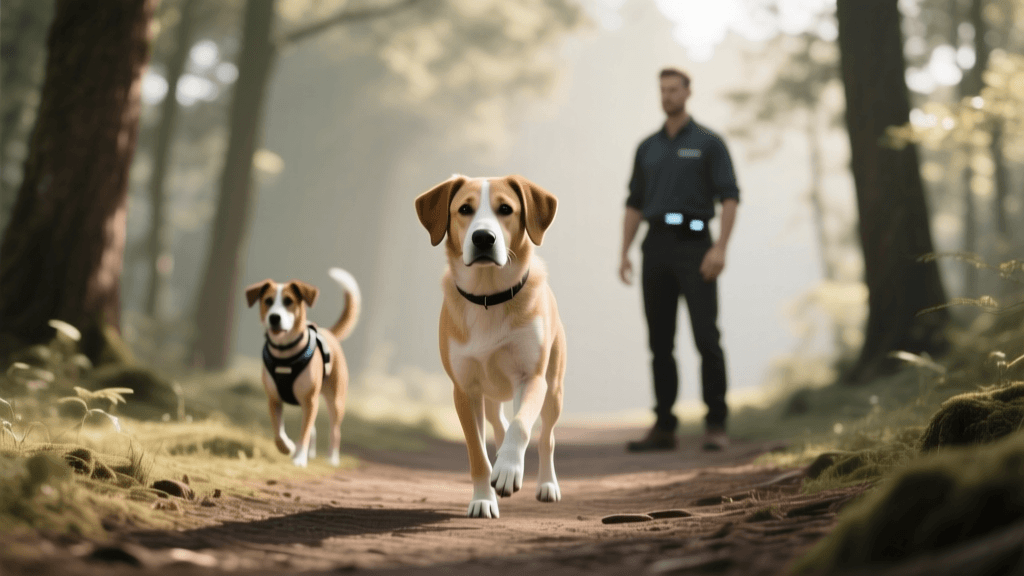
Once your dog is eating normally, sleeping through the night, and showing relaxed body language indoors, it is time to map the outdoor boundaries. This phase relies heavily on the 30-foot Biothane long line. The American Kennel Club (AKC) training resources frequently highlight the long line as the ultimate bridge between on-leash control and off-leash freedom.
Walking the Fence Line
Attach the 30-foot long line to a secure, well-fitted Y-harness (never a collar, to avoid tracheal damage if they lunge). Walk the entire perimeter of your new property with your dog. Allow them to sniff the fence line, the property edges, and the boundaries. As they walk the edge, use a consistent verbal marker like 'Boundary' or 'Edge' in a calm, neutral tone.
The 'Touch' Command at Boundaries
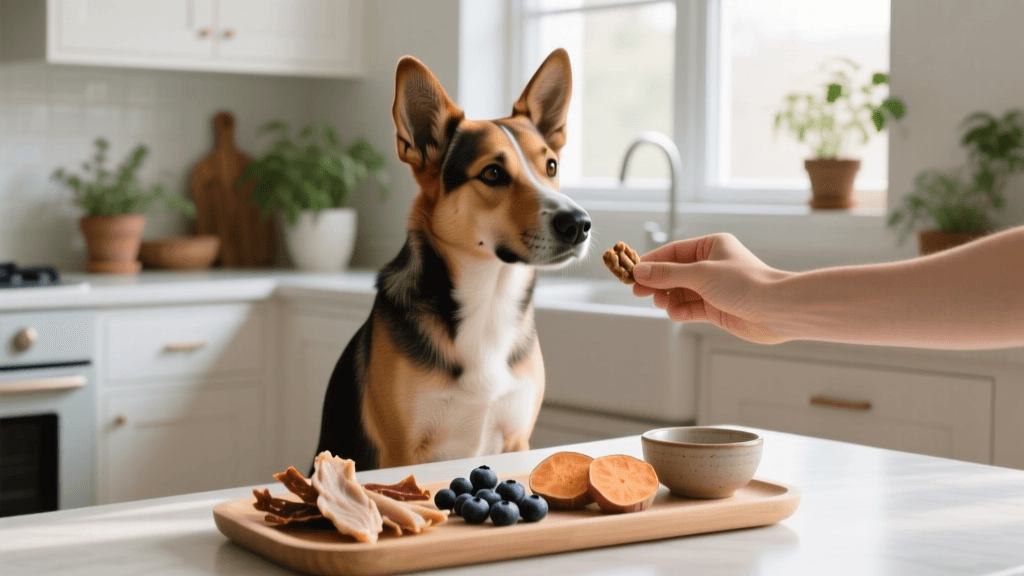
Teach your dog to target a specific object or your hand when near the property line. If your dog approaches the fence or the edge of an unfenced yard, ask for a 'Touch' (hand target) or a 'Sit'. Reward heavily with high-value treats (like freeze-dried liver or Stella & Chewy's meal toppers). This conditions the dog to associate the property line with engaging with you, rather than fixating on squirrels, passing cars, or neighboring dogs.
Correcting Door Dashing
During Phase 2, practice 'door manners' extensively. With the long line attached, open the back door. If the dog moves to cross the threshold, close the door immediately or gently restrain via the harness. Wait for a 'Sit' and eye contact before giving a release cue ('Let's go' or 'Free'). This prevents the dangerous habit of bolting into an unfamiliar neighborhood.
Phase 3 (Days 15-21): Recall Proofing and Smart Collar Integration
The final week of the transition protocol focuses on building a bulletproof recall and integrating modern technology for safety.
High-Value Recall Games
In the new yard, utilize the long line to play 'Round Robin' recall. If you have a partner, stand on opposite sides of the yard. Call the dog using your designated recall cue ('Come' or 'Here'). When the dog reaches you, reward with a 'jackpot' of treats. The long line ensures that if the dog gets distracted by a new environmental trigger (like a neighbor's dog), you can gently guide them back to you, preventing them from learning that ignoring the recall command is an option.
Integrating GPS Geofencing
In 2026, GPS smart collars are an essential layer of safety for dogs transitioning to new environments. Devices like the Fi Series 3 or the latest Tractive models allow you to set up digital 'Safe Zones' via their smartphone apps. During Phase 3, put the GPS collar on your dog alongside their standard harness. Set the geofence to match your exact property lines. If the dog wanders too close to the boundary during off-leash decompression time, the app will send an instant push notification to your phone, allowing you to intervene verbally before they breach the physical fence or property line.
Pro Tip for 2026: Ensure your GPS collar's firmware is updated and the cellular subscription is active before moving day. Many owners forget to update their 'Home Safe Zone' coordinates in the app after relocating, leading to false escape alerts during the first week.
Troubleshooting Common Transition Behaviors
- Pacing and Whining at Night: This is typically a sign of spatial insecurity. Move the crate closer to your bedroom temporarily. Consider using a canine pheromone diffuser (like Adaptil) plugged in near the safe zone to lower cortisol levels.
- Regression in Potty Training: If your previously house-trained dog has accidents indoors, revert to puppy-level management. Take them out on-leash every two hours, use a specific 'Go Potty' cue, and reward immediately. Do not punish accidents; simply clean them with an enzymatic neutralizer.
- Resource Guarding in the New Home: Some dogs become temporarily territorial over food or toys in a new space due to insecurity. Feed meals in a quiet, closed room and avoid reaching into their bowl during the first three weeks.
Conclusion
Relocating with a dog requires patience, empathy, and a structured training plan. By committing to this Three-Week Boundary and Recall Protocol, you are not just teaching your dog where the new fence line is; you are actively rebuilding their confidence and reinforcing your bond in a novel environment. Leverage modern tools like GPS smart collars and biothane long lines, prioritize indoor decompression, and celebrate the small victories. With consistency, your new house will quickly become your dog's true home.
aaron-whyte
All our authors care for dogs every day — read more of their work on the authors page.