Safe Human Foods For Dogs And Toxic Foods To Avoid
Learn about safe human foods for dogs and toxic foods to avoid with expert tips and data-backed advice.
Understanding Canine Nutrition and Toxicology
Dogs are omnivores with metabolic adaptations that allow them to digest certain human foods—but not all. Their nutritional needs differ significantly from humans, especially regarding vitamin A metabolism, taurine synthesis, and carbohydrate tolerance. According to the American Veterinary Medical Association (AVMA), 12% of emergency veterinary visits in 2022 involved dietary-related toxicity, with ingestion of grapes, xylitol-containing products, and chocolate among the top three causes (AVMA, 2023). Proper nutrition is foundational to preventive medicine: studies show dogs fed balanced, species-appropriate diets have a 27% lower incidence of chronic kidney disease by age 8 compared to those regularly fed unregulated table scraps (Journal of Veterinary Internal Medicine, 2021).
Safe Human Foods: Evidence-Based Recommendations
Not all human foods pose risk—many offer measurable nutritional benefits when administered appropriately. Veterinarians at the University of California, Davis School of Veterinary Medicine emphasize portion control and preparation methods as critical determinants of safety. For example, cooked, skinless chicken breast provides high-quality protein without added sodium or seasonings; a 15-kg dog may safely consume up to 40 g per day as a supplemental treat—not a meal replacement.
Vegetables and Fruits
Carrots, green beans, and apple slices (without seeds) are widely endorsed. Carrots contain beta-carotene and fiber; a medium-sized carrot (61 g) delivers 270% of the daily recommended intake of vitamin A for a 10-kg dog. Apples provide quercetin and pectin but must be cored—apple seeds contain amygdalin, which metabolizes to cyanide. The Cornell University College of Veterinary Medicine reports that ingestion of more than 0.6 mg/kg cyanide-equivalent poses acute risk; one gram of apple seeds contains approximately 0.6 mg cyanide.
Proteins and Dairy
Cooked eggs are an excellent source of biotin and essential amino acids. A single large egg (50 g) supplies ~6 g of complete protein and meets 100% of the daily choline requirement for a 20-kg dog. Plain, low-fat yogurt is tolerated by many dogs—but only if lactose-intolerant status is ruled out via fecal pH testing. The Ohio State University Veterinary Medical Center notes that <10% of adult dogs retain sufficient lactase activity; those that do may consume up to 30 mL of plain yogurt daily without gastrointestinal upset.
Foods That Are Toxic: Mechanisms and Thresholds
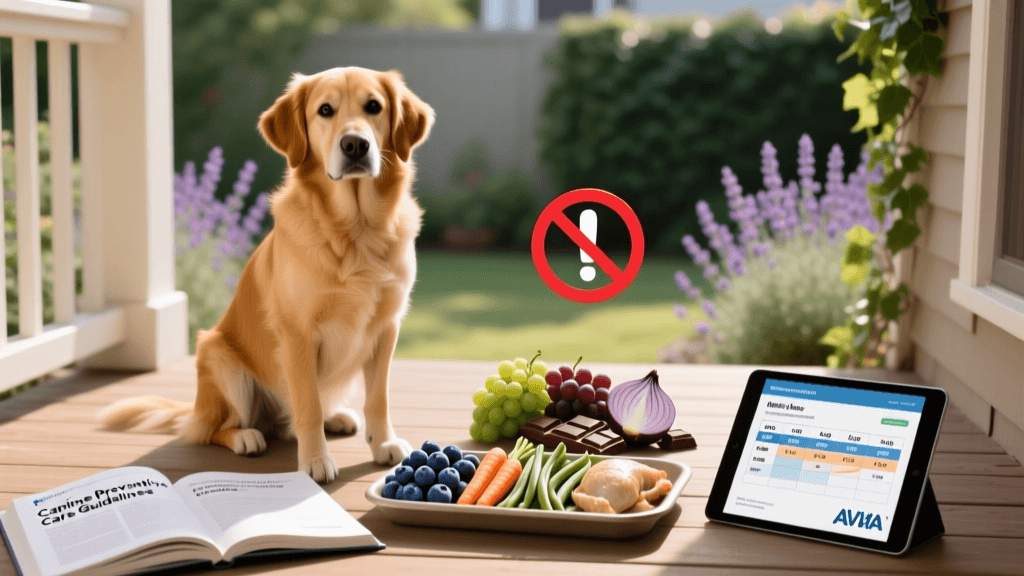
Toxicity depends on dose, route, and individual physiology. Theobromine in chocolate affects cardiac and central nervous systems; toxicity begins at 20 mg/kg, with seizures occurring at 40–50 mg/kg. A 10-kg dog consuming just 28 g of dark chocolate (containing ~15 mg/g theobromine) reaches the toxic threshold. Similarly, xylitol—a sugar alcohol common in sugar-free gum and peanut butter—triggers rapid insulin release in dogs, causing hypoglycemia within 10–60 minutes. As little as 0.1 g/kg can induce clinical signs; a single piece of gum (0.3–1.0 g xylitol) may poison a 5-kg terrier.
Common Household Hazards
- Grapes and raisins: No safe threshold established; nephrotoxicity reported after ingestion of as little as 3 g/kg body weight (AVMA, 2023)
- Onions and garlic: Dose-dependent oxidative hemolysis; ≥15 g/kg onion powder induces Heinz body anemia in susceptible breeds like Akitas
- Avocado: Persin concentration varies by cultivar; fruit pulp is low-risk, but guacamole containing onions, garlic, and salt increases danger
- Macadamia nuts: Neurotoxicity observed at doses >2.4 g/kg; symptoms include hyperthermia, tremors, and ataxia lasting 12–48 hours
- Alcohol: Ethanol LD50 is 5.5 g/kg; even small amounts (e.g., 10 mL of 40% spirits for a 7-kg dog) cause lethargy and respiratory depression
Vaccination Schedules and Nutritional Interactions
Nutrition modulates immune response to vaccines. Puppies receiving adequate zinc and vitamin E show higher antibody titers post-rabies vaccination. The AVMA recommends core vaccinations—including distemper, parvovirus, adenovirus, and rabies—at specific intervals:
| Vaccine | First Dose | Booster Interval | Notes |
|---|---|---|---|
| Distemper/Parvo/Adenovirus | 6–8 weeks | Every 3–4 weeks until 16 weeks | Final dose must be ≥16 weeks due to maternal antibody interference |
| Rabies | 12–16 weeks | 1 year, then every 3 years | Required by law in all 50 U.S. states; administered subcutaneously at 1 mL dose |
| Leptospirosis | 12 weeks | Annual boosters | Recommended in endemic areas (e.g., Portland, OR; Houston, TX) |
Malnourished or severely underweight dogs exhibit delayed seroconversion. Data from the University of Pennsylvania School of Veterinary Medicine shows that puppies with serum albumin <2.5 g/dL had 3.2× lower rabies antibody titers at 28 days post-vaccination versus controls (albumin ≥3.0 g/dL).
Preventive Medicine and Clinical Monitoring
Regular wellness exams include dietary assessment. The AVMA’s 2022 Preventive Care Guidelines recommend evaluating food labels for AAFCO statements, caloric density, and ingredient sourcing at every annual visit. Veterinarians at Tufts University’s Cummings School of Veterinary Medicine advise screening for food sensitivities using elimination diets lasting 8–12 weeks—not shorter durations—as IgE-mediated reactions require time to resolve.
Body condition scoring (BCS) is mandatory at each exam. A BCS of 4–5/9 correlates with optimal longevity; dogs scoring ≥7/9 have 2.3× higher risk of osteoarthritis by age 6 (Journal of the American Animal Hospital Association, 2020). Caloric needs vary: a 25-kg neutered Labrador requires ~1,100 kcal/day, while a 4-kg Chihuahua needs only ~220 kcal/day—yet both are commonly overfed by 35–40%.
When introducing new foods, start with ≤5% of daily caloric intake. For a 12-kg dog eating 800 kcal/day, that equals no more than 40 kcal—or roughly 15 g of cooked sweet potato. Monitor for vomiting, diarrhea, or pruritus over 72 hours before increasing volume.
The ASPCA Animal Poison Control Center logged 21,723 canine ingestions in 2023, with 62% involving foods listed in this article. Early intervention improves outcomes: dogs treated for xylitol toxicity within 30 minutes have a 94% survival rate versus 41% when treatment is delayed beyond 2 hours (ASPCA APCC, 2023).
Always consult a licensed veterinarian before altering diet—especially in dogs with preexisting conditions such as pancreatitis, diabetes, or chronic kidney disease. Prescription therapeutic diets remain the gold standard for managing these conditions, and homemade meals require formulation by a board-certified veterinary nutritionist to avoid deficiencies.
“Dietary missteps are among the most preventable causes of canine morbidity. Understanding thresholds, mechanisms, and evidence-based alternatives empowers owners to make decisions grounded in science—not anecdote.” — Dr. Lisa Freeman, Board-Certified Veterinary Nutritionist, Tufts University Cummings School of Veterinary Medicine
For immediate guidance, contact the ASPCA Animal Poison Control Center at (888) 426-4435 or the Pet Poison Helpline at (855) 764-7661. Both services operate 24/7 and provide case-specific triage based on weight, substance ingested, and time elapsed.
Remember: “Safe” does not mean “nutritious,” and “non-toxic” does not equal “recommended.” Feeding should support long-term health—not convenience or anthropomorphism. Consistent, science-informed choices reduce disease burden and extend quality lifespan.
tom-renshaw
All our authors care for dogs every day — read more of their work on the authors page.