Dog Poisoning Emergency: Immediate Steps and Toxic Foods
Learn immediate first-aid steps if your dog ingests poison. Discover common toxins, when to induce vomiting, and emergency vet protocols.
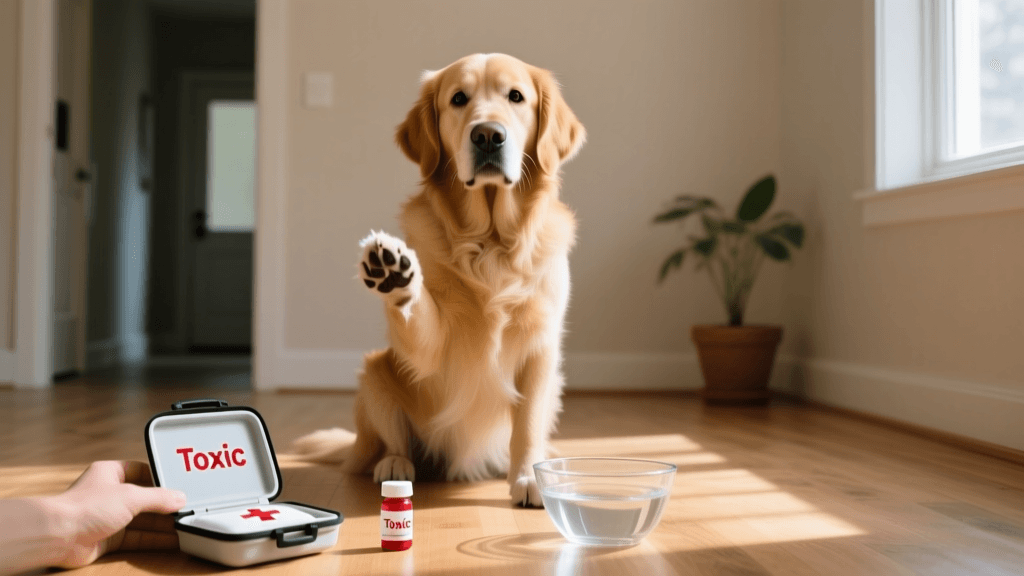
The Golden Rule of Canine Toxicology
When your dog ingests something toxic, panic is your biggest enemy and time is your most valuable resource. Dogs are notorious for eating things they should not, from dropped medications to sugar-free gum and toxic garden plants. According to the ASPCA Animal Poison Control Center, they handle over 400,000 animal poison-related cases every single year. Knowing exactly what to do in the first fifteen minutes can mean the difference between a minor veterinary bill and a fatal outcome. This emergency guide provides actionable, step-by-step protocols to stabilize your dog, identify the threat, and prepare for emergency veterinary intervention.
Immediate Steps: The First 15 Minutes
Step 1: Secure the Scene and the Suspect
Before you even pick up the phone, remove your dog from the area to prevent further ingestion. Next, secure the packaging, bottle, or remnants of the toxic substance. The veterinary toxicologist will need to know the exact ingredients, the concentration (measured in milligrams or percentages), and the maximum possible amount your dog could have consumed. For example, knowing your dog ate 'some chocolate' is not enough; the vet needs to know if it was milk chocolate, 70% dark cacao, or pure cocoa powder, as theobromine levels vary wildly between these products. Place the evidence in a ziplock bag and keep it with you.
Step 2: Contact the Experts Immediately
Do not wait for symptoms to appear. By the time a dog shows clinical signs of poisoning, the toxin has often already been absorbed into the bloodstream, making treatment vastly more difficult and expensive. Call the Pet Poison Helpline or the ASPCA Animal Poison Control Center immediately. These services operate 24/7 and are staffed by board-certified veterinary toxicologists. They will calculate the exact toxicity threshold based on your dog's precise body weight and the ingested dose, advising you on whether to rush to the emergency vet or monitor at home.
To Induce Vomiting or Not? The Hydrogen Peroxide Protocol
One of the most common questions owners ask is whether they should make their dog throw up. As outlined by the American Kennel Club, inducing vomiting (emesis) is only safe under very specific conditions and should ideally be done under the direct guidance of a veterinary professional.
When NEVER to Induce Vomiting
- Caustic or Corrosive Substances: Bleach, drain cleaners, or batteries. Vomiting will burn the esophagus a second time.
- Sharp Objects: Glass, needles, or cooked bones.
- Hydrocarbons: Petroleum jelly, kerosene, or paint thinner (high risk of aspiration pneumonia).
- Brachycephalic Breeds: Pugs, Bulldogs, and Boston Terriers are at a high risk of aspirating vomit into their lungs due to their airway anatomy.
- Neurological Symptoms: If your dog is already seizing, unconscious, or severely lethargic.
The 3% Hydrogen Peroxide Dosage Guide
If a veterinarian or poison control expert explicitly instructs you to induce vomiting at home, the standard emetic agent is 3% Hydrogen Peroxide (do not use higher concentrations or hair dye developers). The standard dosage is 1 milliliter (ml) per pound of body weight, up to a maximum of 45 ml (approximately 3 tablespoons), regardless of the dog's size. Administer the liquid using a large plastic syringe into the back of the mouth or cheek pouch. Walking the dog immediately afterward stimulates the gastrointestinal tract. If vomiting does not occur within 15 minutes, you may administer one additional dose. If the second dose fails, stop immediately and drive to the emergency vet.
Common Household Toxins and Emergency Protocols
Below is a quick-reference data table for the most frequent and dangerous household toxins encountered by emergency veterinarians.
| Toxin | Toxicity Level | Primary Symptoms | Immediate Action Protocol |
|---|---|---|---|
| Xylitol (Sugar-free gum, diet peanut butter) | Extreme (Life-threatening in tiny doses) | Rapid hypoglycemia, weakness, collapse, acute liver failure within 24 hours. | Rush to ER immediately. Do not wait for advice. IV dextrose and liver protectants are required. |
| Grapes & Raisins | High (Idiosyncratic; one grape can trigger AKI) | Vomiting, lethargy, decreased urination, acute kidney injury (AKI). | Induce vomiting if within 2 hours. ER visit for IV fluid diuresis for 48 hours to flush kidneys. |
| Theobromine (Dark chocolate, cocoa powder) | Moderate to High (Dose-dependent) | Hyperactivity, tachycardia, muscle tremors, seizures, cardiac arrhythmias. | Calculate mg/kg ingested. Induce vomiting if within 2 hours. ER for activated charcoal and anti-arrhythmics. |
| NSAIDs (Ibuprofen, Naproxen, Aspirin) | High (Causes severe gastric ulcers and renal failure) | Vomiting blood, black tarry stools, abdominal pain, increased thirst. | Do NOT induce vomiting if ulcers are suspected. ER for misoprostol, IV fluids, and gastroprotectants. |
| Ethylene Glycol (Antifreeze) | Extreme (Sweet taste attracts dogs) | Drunken behavior, vomiting, acute and irreversible kidney failure. | Time-critical ER visit. Antidote (fomepizole or ethanol) must be administered within 8-12 hours. |
Building a Comprehensive Canine Poison First-Aid Kit
Every dog owner should maintain a dedicated pet first-aid kit in their home and vehicle. Replace perishable items every six months. Essential items include:
- 3% Hydrogen Peroxide: Always check the expiration date; old peroxide loses its effervescence and will not induce vomiting.
- Large Plastic Syringes (10ml and 20ml): Essential for administering peroxide, liquid medications, or flushing wounds.
- Original Blue Dawn Dish Soap: The gold standard for dermal decontamination if your dog is sprayed by a skunk or gets into toxic oils, paints, or chemicals.
- Soft Cloth Muzzle: A dog in severe pain or experiencing neurological toxicity may bite their owner. A muzzle ensures you can safely load them into the car.
- Digital Rectal Thermometer: Normal canine temperature is 101.0°F to 102.5°F. Hyperthermia can indicate toxicity or systemic shock.
- Activated Charcoal: Only to be used if explicitly directed by poison control to bind toxins in the stomach. (Warning: It is messy and can cause severe constipation or aspiration if used incorrectly).
Financial Preparedness for Emergency Vet Visits
Poisoning emergencies are notoriously expensive. An after-hours emergency visit involving IV fluids, activated charcoal, blood panels, and overnight monitoring can easily range from $1,500 to over $4,000. If advanced treatments like lipid emulsion therapy (used for fat-soluble toxins like certain rodenticides or essential oils) or blood transfusions are required, costs can exceed $6,000. To protect your dog's life and your finances, consider enrolling in a comprehensive pet insurance policy (such as Trupanion or Healthy Paws) that covers toxic ingestions and emergency care, or apply for a CareCredit medical credit line specifically for veterinary emergencies.
'In toxicology, the dose makes the poison, but the owner's reaction time makes the prognosis. Never wait for symptoms to validate your concern.' — Board-Certified Veterinary Toxicologist
Conclusion
Accidents happen, even to the most vigilant pet parents. By keeping the ASPCA and Pet Poison Helpline numbers saved in your phone, maintaining a stocked first-aid kit, and understanding the strict rules around inducing vomiting, you transform from a panicked bystander into a critical first responder. When in doubt, always err on the side of caution and seek immediate professional veterinary care.
robin-maitland
All our authors care for dogs every day — read more of their work on the authors page.