The Raw Milk & Kefir Trend for Dog Gut Health: Safe or Risky?
Is the viral TikTok trend of feeding raw milk and kefir to dogs safe? We break down the science, probiotic CFUs, costs, and veterinary warnings.
The Viral Appeal: Why Pet Parents Are Pouring Kefir and Raw Milk
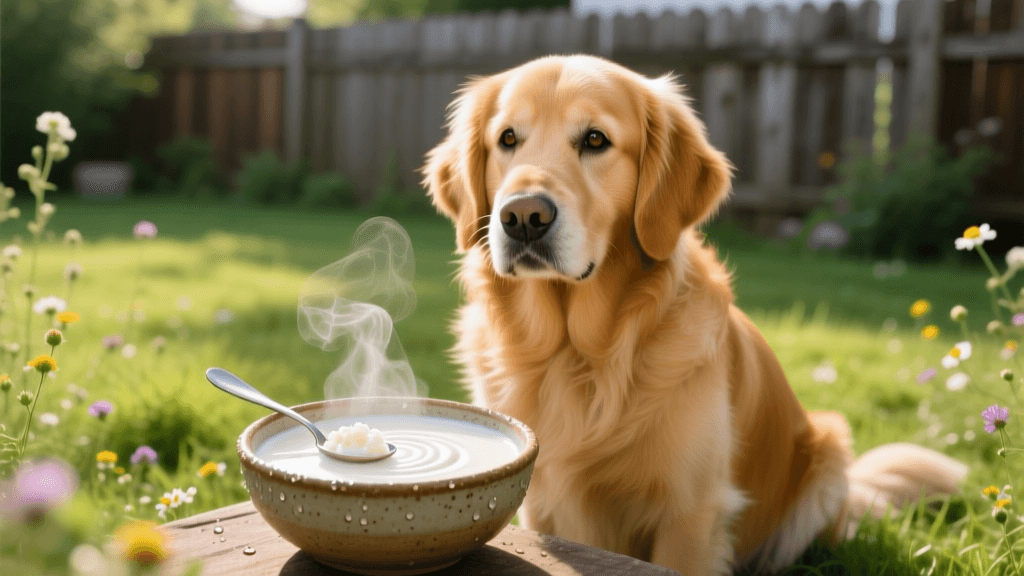
Scroll through TikTok, Instagram Reels, or any pet-centric Facebook group, and you will inevitably encounter the 'dog gut health' trend. Influencers and well-meaning pet parents are increasingly seen pouring raw goat’s milk, artisanal kefir, and unpasteurized dairy over their dogs' kibble. The promise? A shinier coat, better digestion, reduced allergies, and a fortified immune system. This viral movement stems from the human wellness industry, where the gut microbiome has become the holy grail of holistic health. But when it comes to our canine companions, does this trending 'superfood' topper actually deliver on its promises, or is it a dangerous fad?
As a senior writer for Paws-Tales, I frequently see pet owners spending upwards of $60 a month on raw dairy products, driven by viral videos claiming that commercial dog food destroys the canine microbiome. While the intention behind these viral trends is rooted in love and a desire for optimal pet wellness, the biological reality of the canine digestive tract is vastly different from ours. Before you add a dairy topper to your dog's bowl, it is crucial to separate the viral fiction from the veterinary science.
Raw Milk vs. Pasteurized Kefir: Understanding the Risks
The most controversial aspect of this trend is the use of raw milk—specifically raw goat's milk or raw cow's milk. Raw milk is milk that has not undergone pasteurization, the process of heating milk to a specific temperature to kill harmful bacteria. Proponents of raw milk argue that pasteurization destroys beneficial enzymes and probiotics. However, veterinary professionals and public health officials warn that the risks far outweigh the unproven benefits.
According to the Centers for Disease Control and Prevention (CDC), raw milk can carry dangerous bacteria such as Salmonella, E. coli, Campylobacter, and Listeria. While some dogs have robust digestive acids that can handle minor bacterial loads, immunocompromised dogs, puppies, and senior dogs are at a severe risk of life-threatening gastrointestinal infections. Furthermore, raw milk can harbor Brucella, a bacterium that causes brucellosis—a disease that can be transmitted from dogs to humans, making it a zoonotic hazard in your household.
The Science of Canine Probiotics: Dairy vs. Species-Specific Strains
What about pasteurized kefir or plain yogurt? These products are fermented, meaning they contain live active cultures like Lactobacillus and Bifidobacterium. The viral trend suggests these cultures will colonize the dog's gut and improve digestion. However, the American Kennel Club (AKC) notes that the probiotic strains found in human dairy products are not always optimized for the canine gastrointestinal tract.
Dogs have a shorter, more acidic digestive tract than humans. Many dairy-based probiotics are destroyed by the dog's stomach acid before they ever reach the intestines where they are needed. Furthermore, a significant percentage of adult dogs are lactose intolerant. While the fermentation process in kefir reduces lactose levels, it does not eliminate them entirely. Feeding large amounts of dairy-based kefir can lead to osmotic diarrhea, gas, and severe gastrointestinal upset, completely defeating the purpose of trying to heal the gut.
Veterinary nutritionists generally recommend canine-specific probiotic strains, such as Enterococcus faecium or Bifidobacterium animalis (often found in veterinary supplements like Purina FortiFlora or Proviable). These strains are scientifically proven to survive canine stomach acid and actively support the canine immune system and gut lining.
Cost, Measurements, and Safety Comparison Chart
If you are navigating the pet supplement aisle or looking at viral TikTok recommendations, it helps to compare the actual costs, safety profiles, and veterinary consensus of these trending gut health products. Below is a structured comparison to help you make an informed, science-backed decision for your dog's wellbeing.
| Product Type | Est. Monthly Cost | Probiotic Source | Safety Risk Level | Veterinary Consensus |
|---|---|---|---|---|
| Raw Goat Milk | $40 - $75 | Naturally occurring, unverified CFUs | High (Pathogens, Brucellosis) | Strongly Discouraged |
| Pasteurized Plain Kefir | $10 - $20 | Lactobacillus (Human strains) | Low to Moderate (Lactose risk) | Safe in micro-doses only |
| Canine Probiotic Powder | $25 - $45 | E. faecium, B. animalis (Canine strains) | None | Highly Recommended |
| Bone Broth Topper | $15 - $35 | Collagen, Gelatin, Amino Acids | None (If onion/garlic-free) | Highly Recommended for gut lining |
Actionable Guide: How to Safely Use the 'Kefir Topper' Trend
If you still want to participate in the viral food topper trend and use pasteurized kefir to add moisture and a mild probiotic boost to your dog's diet, you must do so with strict measurements and timing. Never use raw milk, and never use flavored kefirs that contain xylitol (birch sugar), which is highly toxic and often fatal to dogs.
Proper Measurements by Weight
- Small Dogs (Under 20 lbs): 1 teaspoon per day.
- Medium Dogs (20 - 50 lbs): 1 tablespoon per day.
- Large Dogs (Over 50 lbs): 2 tablespoons per day.
Timing and Introduction Protocol
Do not introduce kefir at the full dosage immediately. The sudden influx of bacteria and dairy proteins can cause severe digestive distress. Follow a 7-day introduction protocol:
- Days 1-3: Feed 25% of the recommended dose mixed thoroughly into wet food or kibble.
- Days 4-5: Increase to 50% of the recommended dose. Monitor stool consistency closely.
- Days 6-7: If stools remain firm, increase to the full recommended dose.
Always purchase plain, unsweetened, pasteurized kefir from reputable grocery brands, or opt for pet-specific fermented milk products from brands like Green Cow Pet or The Honest Kitchen, which are formulated with canine digestion in mind.
Holistic Alternatives: Healing the Gut Without Dairy
If your goal is to heal a 'leaky gut' or improve your dog's microbiome, there are vastly superior, non-dairy alternatives that are currently gaining traction in the holistic veterinary community. VCA Animal Hospitals emphasizes the importance of a balanced, species-appropriate diet enriched with prebiotics and targeted amino acids.
Bone Broth: Rich in collagen, gelatin, and glutamine, bone broth helps repair the mucosal lining of the gut. Ensure it is specifically made for dogs, as human bone broths often contain toxic alliums like onions and garlic.
Prebiotic Fiber: Probiotics need food to survive. Adding a teaspoon of plain, canned pumpkin puree (not pie filling) or a veterinary-approved prebiotic fiber supplement feeds the good bacteria already present in your dog's colon.
Fermented Vegetables: Small amounts of dog-safe fermented vegetables, like plain fermented carrots or green beans, provide diverse, soil-based probiotics without the lactose found in dairy kefir.
The Bottom Line on Viral Pet Nutrition
The internet is a fantastic place to discover new ways to bond with and care for your dog, but viral trends should never replace veterinary science. The raw milk and kefir trend highlights a genuine desire among pet parents to improve their dogs' gut health, but the execution is often flawed and potentially dangerous. By understanding the biological differences between human and canine digestion, avoiding raw dairy pathogens, and utilizing canine-specific probiotics or bone broth, you can give your dog the microbiome support they actually need. Always consult with your primary veterinarian or a board-certified veterinary nutritionist before making significant changes to your dog's diet, ensuring that your wellness choices are as safe as they are trendy.
marcus-aldridge
All our authors care for dogs every day — read more of their work on the authors page.