Road Trips With Dogs: Google's Top Questions Answered
Planning a road trip with your dog? We answer Google's most-asked questions about car safety, rest stops, motion sickness, and packing essentials.
Introduction
Embarking on a cross-country adventure or a quick weekend getaway with your canine companion is one of life’s greatest joys. However, hitting the open road with a four-legged passenger brings up a myriad of logistical and safety concerns. If you have been scouring the internet for advice, you are not alone. We analyzed Google's 'People Also Ask' data to bring you the most comprehensive, expert-backed answers to the internet's most pressing questions about road tripping with dogs. Whether you are driving a compact sedan or a spacious SUV, this guide covers the exact timings, costs, and safety protocols you need to know.
How Long Can a Dog Ride in a Car?
Adult dogs can generally handle car rides of up to six to eight hours, provided they are well-conditioned to travel and have proper ventilation, hydration, and restraint. However, 'can' does not always mean 'should.' Puppies, senior dogs, and breeds prone to joint issues (like German Shepherds or Labradors) should have much shorter limits—typically no more than two to three hours of continuous driving. According to the ASPCA, keeping your dog's routine as normal as possible, including frequent breaks, is vital for their physical and mental well-being on the road. Always monitor your dog for signs of stress, such as excessive panting or pacing, which indicate it is time to pull over.
How Often Should You Stop on a Road Trip With a Dog?
The golden rule for road tripping with a dog is to stop every two to three hours for a 15- to 20-minute break. These stops are not just for bathroom breaks; they are crucial for your dog to stretch their legs, hydrate, and mentally decompress.
Actionable Tip: Map out your route using apps like BringFido or GasBuddy to locate pet-friendly rest areas, parks, or gas stations with grassy patches. During summer months, schedule your driving for the early morning or late evening to avoid hot asphalt, which can burn your dog's paw pads. If the pavement is too hot to hold the back of your hand against for seven seconds, it is too hot for your dog's paws.
Where Is the Safest Place for a Dog in a Car?
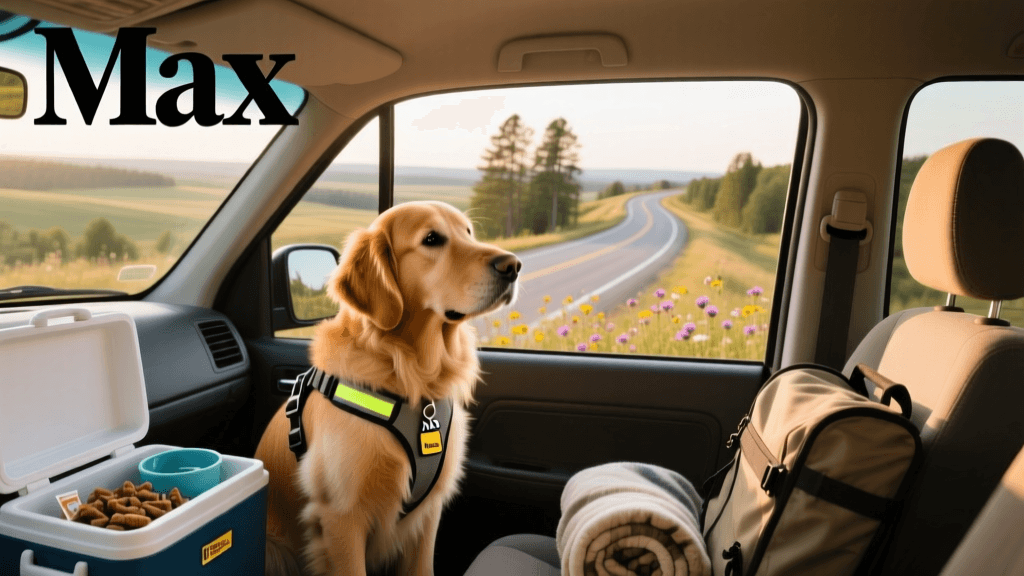
A common misconception is that dogs are safe roaming freely in the backseat or sitting on a driver's lap. In reality, an unrestrained 50-pound dog becomes a 2,000-pound projectile in a crash at just 30 mph. The safest place for a dog is in the back seat or the cargo area of an SUV, secured by a crash-tested restraint system.
The Center for Pet Safety (CPS) conducts rigorous crash tests on pet travel products. Based on their findings and veterinary recommendations, here is a comparison of the most common dog car restraints:
| Restraint Type | Best For | Average Cost | Safety Notes |
|---|---|---|---|
| Crash-Tested Harness (e.g., Sleepypod Clickit Sport) | Medium/Large Dogs | $70 - $110 | Connects to seatbelt; limits forward movement. Highly recommended by CPS. |
| Secured Hard-Sided Crate (e.g., Gunner Kennels) | All Sizes, especially SUVs | $400 - $700 | Must be strapped down. Offers the highest level of impact protection. |
| Soft-Sided Carrier (e.g., Sherpa Original) | Small Dogs (Under 15 lbs) | $40 - $80 | Must be seatbelted in. Good for anxiety, but offers less crush protection. |
| Seatbelt Tether (Collar Attachment) | None (Budget Option) | $10 - $20 | Attaches to collar; HIGH risk of neck injury in a crash. Not recommended. |
| Zipline / Backseat Hammock | Anxious Dogs / Shedding | $30 - $60 | Prevents falling into footwells but offers ZERO crash protection alone. |
How Do I Stop My Dog From Getting Carsick?
Canine motion sickness is incredibly common, especially in puppies whose inner ear structures (which control balance) are not fully developed. While many dogs outgrow it, others carry the anxiety and nausea into adulthood. The American Kennel Club (AKC) notes that symptoms include excessive drooling, smacking lips, whining, lethargy, and vomiting.
Actionable Solutions:
- Fasting: Withhold food for two to three hours before the trip. A full stomach exacerbates nausea, but ensure they have access to water.
- Conditioning: Start with 5-minute drives to a fun destination (like a park) and gradually increase the duration over several weeks.
- Over-the-Counter Remedies: Benadryl (Diphenhydramine) or Dramamine (Dimenhydrinate) can be used, but you must consult your veterinarian for the correct dosage, which is typically based on your dog's exact weight (e.g., 1 mg per pound for Benadryl).
- Prescription Medication: For severe cases, vets frequently prescribe Cerenia (Maropitant), a highly effective, non-drowsy anti-nausea medication that lasts up to 24 hours. Expect to pay around $30 to $50 for a small prescription supply.
- Environmental Control: Keep the car cool (around 68°F to 72°F), crack the windows for fresh air, and use a calming pheromone spray like Adaptil on the car seats 15 minutes before departure.
Can I Leave My Dog in the Car While I Run Errands?
The short and definitive answer is no. Even on a mild 70°F (21°C) day, the temperature inside a parked car can spike to over 100°F (38°C) within just 20 minutes, according to veterinary thermodynamics studies. Cracking the windows provides virtually no relief and does not prevent heatstroke, which can be fatal to dogs in a matter of minutes since they cannot sweat through their skin like humans do. If you need to stop for food or groceries, utilize drive-thrus, take turns staying in the vehicle with the AC running, or use delivery apps. Never risk your dog's life for a quick convenience store run.
What Should I Pack for a Dog Road Trip?
Packing for a dog requires more than just a bag of kibble and a leash. To ensure a smooth journey, assemble a dedicated 'Dog Go-Bag' that stays easily accessible in the cabin, not buried in the trunk.
- Hydration: A collapsible silicone water bowl and a dedicated gallon of water from home (to prevent stomach upset from new water sources).
- First-Aid Kit: Include vet wrap, tweezers (for ticks/thorns), saline eye wash, and canine-safe antiseptic wipes.
- Documentation: A physical copy of your dog's rabies certificate, vaccination records, and a recent photo in case they get lost.
- Cleaning Supplies: Enzyme cleaner (like Nature's Miracle), paper towels, and biodegradable poop bags.
- Calming Aids: Thundershirts, vet-approved CBD treats, or Adaptil sprays can cost between $15 and $40 and are invaluable for anxious travelers.
- Comfort Items: A familiar blanket or an unwashed t-shirt that smells like you to reduce anxiety in unfamiliar hotel rooms.
Final Thoughts on Hitting the Road
Traveling with your dog requires patience, preparation, and a willingness to embrace a slower pace. By answering these top Google questions and implementing expert safety standards, you transform a potentially stressful drive into a memorable bonding experience. Buckle up, roll down the windows, and enjoy the ride!
tom-renshaw
All our authors care for dogs every day — read more of their work on the authors page.