Best Dog Breeds for Apartment Living: A Complete Guide
Discover the best dog breeds for apartment living. Compare energy levels, space needs, and costs to find the perfect canine companion for your small space.
The Reality of Apartment Living with Dogs
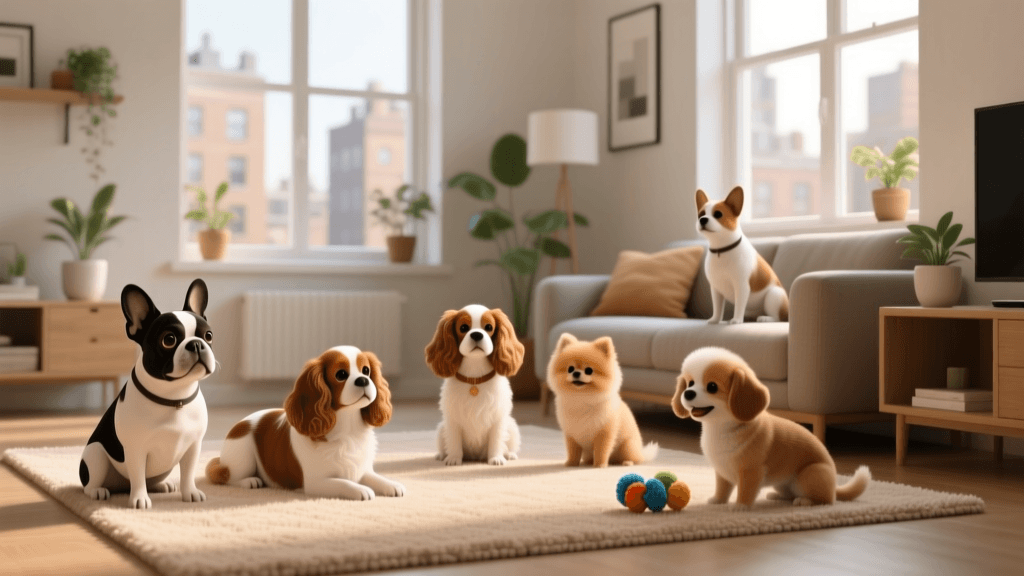
Urbanization is on the rise, and millions of dog lovers find themselves navigating the joys and challenges of apartment living. Sharing a 600-square-foot space with a canine companion is entirely possible, but it requires strategic planning, especially when it comes to breed selection. Not every dog is suited for shared walls, limited outdoor access, and the unique sensory overload of a busy city environment. Choosing the right breed is the single most important decision you will make to ensure a harmonious life for you, your dog, and your neighbors.
When selecting a dog for an apartment, size is often the first metric people consider. However, energy level, vocalization tendencies, and adaptability are far more critical. A low-energy giant breed may actually fare better in a small apartment than a high-energy toy breed. In this comprehensive guide, we will compare the best dog breeds for apartment living, outline a practical daily routine, and break down the specific costs and gear required to set up your small space for success.
Key Factors for Breed Selection in Small Spaces
Before falling in love with a breed, evaluate your living situation against these three critical factors:
- Vocalization: Thin walls mean that a dog prone to alert barking can quickly lead to noise complaints and lease violations. Breeds with a low tendency to bark are highly preferred.
- Energy vs. Space: Dogs do not necessarily need a massive backyard, but they do need their exercise needs met. Breeds that require hours of vigorous running are unsuited for apartments unless the owner is an avid runner.
- Potty Logistics: If you live on the fourth floor of a walk-up, taking a dog out for emergency potty breaks at 2:00 AM is a major hurdle. Breeds with strong bladders and the ability to be litter-trained or use indoor grass pads are advantageous.
Top 5 Dog Breeds for Apartment Living (Comparison Chart)
The following table compares five highly recommended breeds for apartment dwellers, factoring in their physical traits, behavioral tendencies, and estimated monthly financial impact.
| Breed | Avg Weight | Energy Level | Barking Tendency | Est. Monthly Cost |
|---|---|---|---|---|
| Cavalier King Charles Spaniel | 12-18 lbs | Low to Moderate | Low | $120 - $150 |
| Greyhound (Retired Racer) | 60-70 lbs | Low (Sprint only) | Very Low | $150 - $180 |
| French Bulldog | 16-28 lbs | Low | Moderate | $180 - $250 |
| Pug | 14-18 lbs | Low to Moderate | Moderate | $110 - $140 |
| Bichon Frise | 12-18 lbs | Moderate | Moderate | $140 - $170 |
Breed Deep-Dive: Why These Dogs Excel Indoors
The Cavalier King Charles Spaniel
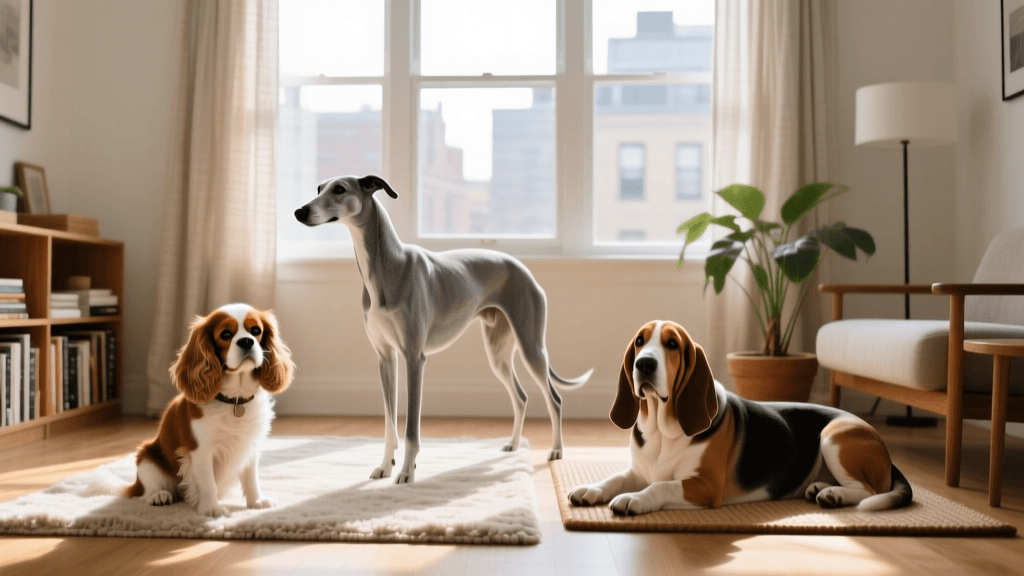
Affectionate, gentle, and highly adaptable, the Cavalier is widely considered one of the best apartment dogs. They are incredibly bonded to their owners and are perfectly happy lounging on the sofa. According to the American Kennel Club, their moderate energy levels mean a 30-minute daily walk and some indoor play are usually sufficient to keep them content.
The Greyhound
It surprises many to see a 65-pound dog on an apartment list, but retired racing Greyhounds are famously known as "45-mph couch potatoes." They sleep up to 18 hours a day and are generally very quiet, rarely barking at passersby. They do require a secure, fenced-in area for occasional off-leash sprints, but their indoor demeanor is exceptionally calm and space-efficient.
The French Bulldog
Frenchies are sturdy, low-energy, and require minimal space to roam. However, because they are a brachycephalic (flat-faced) breed, they are sensitive to heat. Apartment dwellers must ensure their unit has reliable air conditioning during the summer months, which can slightly increase utility costs.
Breeds to Avoid in Shared-Wall Environments
While every dog is an individual, certain breeds possess genetic traits that make apartment living incredibly stressful for both the dog and the owner. Avoid high-drive working and herding breeds such as Border Collies, Australian Shepherds, and Siberian Huskies. These breeds require hours of intense physical and mental stimulation. Without a large yard to burn off energy, they are prone to destructive behaviors and excessive, high-pitched barking or howling. Furthermore, terriers like the Jack Russell can be highly vocal and reactive to the sounds of neighbors walking in the hallways.
Designing the Ideal Apartment Dog Routine
Success in an apartment relies heavily on a predictable routine that manages your dog's bladder and energy levels. Here is a practical daily schedule for a working professional with an apartment dog:
- 6:30 AM - Morning Potty & Sniffari: A 20-minute leash walk. Allow the dog to sniff extensively; mental enrichment tires a dog out faster than physical walking.
7:15 AM - Breakfast & Enrichment: Feed meals inside a puzzle toy or a KONG Classic (Small, Red) to keep them occupied as you get ready for work. - 12:00 PM - Midday Break: Hire a dog walker or use a service like Rover. A 30-minute midday walk breaks up the day and prevents afternoon boredom barking.
- 5:30 PM - Evening Exercise: A longer 45-minute walk, incorporating training drills (sit, stay, heel) in low-traffic areas.
- 9:30 PM - Final Potty & Wind Down: A quick 10-minute bathroom break before settling into the crate or bed.
Navigating Hallways and Elevators
Shared spaces require strict etiquette. Always keep your dog on a short, 4-foot leash in hallways—retractable leashes are dangerous in narrow corridors. If you share an elevator, practice the "wait" command. Teach your dog to sit in the back corner of the elevator to give neighbors personal space and prevent accidental tail-stepping.
Essential Apartment Gear and Setup Costs
Outfitting your apartment for a dog requires a few specific investments to protect your security deposit and maintain peace with neighbors.
1. Containment and Crate Training
A crate provides a safe den for your dog and prevents noise complaints when you are away. For small breeds, the MidWest iCrate (24x18x19 inches) is an excellent, affordable choice (approx. $45). Place the crate in a quiet corner away from the front door to minimize reactions to hallway noise.
2. Soundproofing and White Noise
Dogs often bark at the sound of neighbors' footsteps or doors closing. Lay down thick, high-pile area rugs to absorb sound and reduce the clicking of dog nails on hard floors. Additionally, use a white noise machine, such as the Hatch Restore ($130), placed near the front door to mask hallway noises.
3. Indoor Potty Solutions
For high-rise dwellers, an indoor potty option is a lifesaver during bad weather or late nights. DoggieLawn offers hydroponically grown grass delivered to your door or balcony. It costs approximately $35 per week but saves your floors and reduces the stress of emergency elevator rides.
Financial Considerations: The Cost of Apartment Dogs
Budgeting for a dog in an apartment involves unique expenses beyond standard veterinary care. The ASPCA estimates that annual care costs for small dogs average around $1,500, but apartment living adds several line items:
- Pet Rent / Deposits: Many landlords charge a non-refundable pet fee ($200-$500) and monthly pet rent ($35-$75).
- Dog Walking: If you work in an office, a daily midday walker will cost $20-$25 per walk, totaling roughly $450 a month.
- Pet Insurance: To protect against unexpected vet bills, companies like Lemonade or Trupanion offer policies starting at $30/month.
When selecting your breed, factor in their specific health risks. For example, French Bulldogs often require specialized pet insurance due to respiratory and spinal issues, which can increase monthly premiums.
Managing Separation Anxiety and Barking
Apartments are high-stimulus environments. When left alone, some dogs develop separation anxiety, leading to destructive chewing and relentless barking. To manage noise, the Humane Society recommends providing interactive toys, leaving the TV on for background noise, and avoiding emotional departures. If your dog struggles with isolation, consult a certified professional dog trainer (CPDT) who specializes in positive reinforcement and desensitization techniques.
Conclusion
Living in an apartment does not mean you must forfeit the joy of dog ownership. By prioritizing temperament, energy levels, and vocalization over sheer size, you can find the perfect breed to share your urban sanctuary. Whether you choose a snoozing Greyhound or a cuddly Cavalier, pairing the right breed with a structured routine, proper soundproofing, and mental enrichment will guarantee a happy, harmonious life in your small space.
anouk-beaumont
All our authors care for dogs every day — read more of their work on the authors page.