Budget-Friendly Dog Grooming at Home: Tools and Cost Savings
Save hundreds on pet care with our guide to budget-friendly dog grooming at home, featuring essential tools, step-by-step tips, and cost comparisons.
The Rising Cost of Professional Dog Grooming
Owning a dog is a deeply rewarding experience, but it undeniably comes with a significant financial commitment. From premium kibble to unexpected veterinary bills, the costs of dog ownership can quickly add up. One of the most predictable yet burdensome expenses for many pet parents is professional grooming. Depending on your dog's breed, coat type, and size, routine grooming appointments can drain hundreds of dollars from your annual pet care budget. However, with the right knowledge, a few budget-friendly tools, and a bit of patience, you can transition to a successful at-home grooming routine. This comprehensive guide will walk you through the practical aspects of budget-friendly dog grooming, providing specific product recommendations, actionable techniques, and a clear cost-benefit analysis to help you keep your furry best friend looking and feeling their best without breaking the bank.
According to industry data compiled in Rover's Dog Grooming Price Guide, the average cost of a standard grooming session ranges from $50 to over $100 per visit. For breeds that require haircuts every four to six weeks, such as Poodles, Doodles, and Shih Tzus, annual grooming expenses can easily exceed $1,000. Even short-haired breeds that only need occasional baths and nail trims can cost owners $30 to $50 per salon visit. By learning how to perform these essential maintenance tasks at home, you can redirect those funds toward higher-priority areas of your dog's life, such as high-quality nutrition, preventative veterinary care, or enriching activities and travel experiences.
Building Your Budget-Friendly Grooming Kit
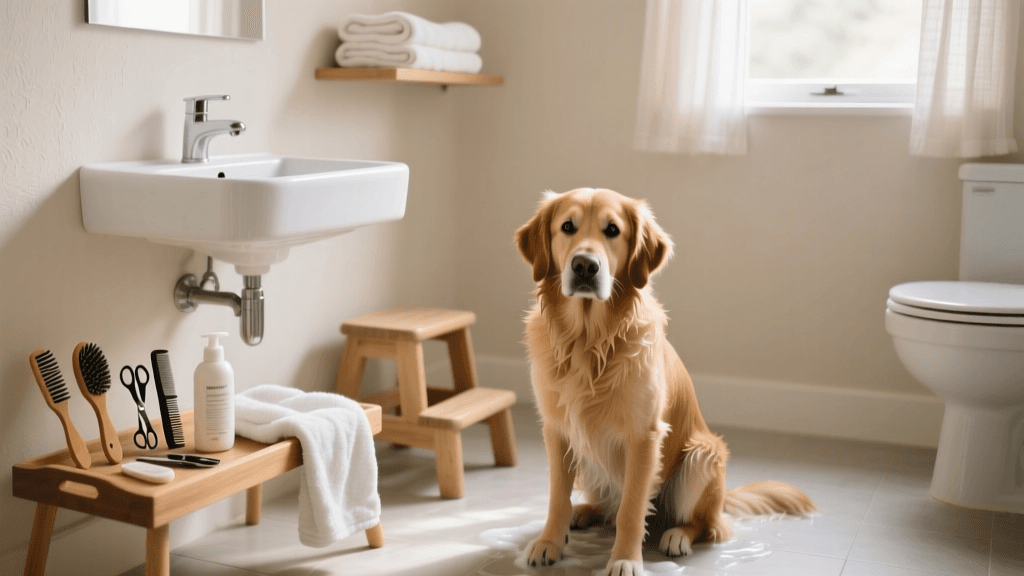
You do not need a professional grooming table, a high-velocity dryer, or expensive shears to maintain your dog's hygiene. By investing in a few high-quality, multi-purpose tools upfront, you can drastically reduce your long-term expenses. Here is a breakdown of the essential tools you need to build a budget-friendly home grooming kit.
1. The Right Brush for Your Dog's Coat
Brushing is the cornerstone of canine coat health. It distributes natural oils, prevents painful matting, and reduces shedding around your home. For short-haired breeds like Beagles or Boxers, a simple rubber curry brush or a bristle brush (costing around $8 to $12) is sufficient. For double-coated breeds like Golden Retrievers or German Shepherds, invest in an undercoat rake or a de-shedding tool like the FURminator (ranging from $25 to $40). For curly or wiry coats, a high-quality slicker brush with flexible pins, such as the Hertzko Self-Cleaning Slicker Brush ($15 to $20), is essential for working out tangles without scratching the skin.
2. Safe and Effective Nail Clippers
Overgrown nails can alter your dog's gait and lead to expensive orthopedic issues down the line. Skip the expensive electric grinders if your dog is noise-sensitive and opt for a reliable pair of scissor-style clippers with a safety guard. The Millers Forge Scissor Clippers are a favorite among budget-conscious owners and professionals alike, typically costing under $15. Always keep a small container of styptic powder on hand to stop bleeding if you accidentally cut the quick. In a pinch, household cornstarch or flour can serve as a free, effective alternative to commercial styptic powder.
3. Concentrated, Dog-Specific Shampoo
Never use human shampoo on your dog, as the pH levels of human skin differ significantly from canine skin, which can lead to dryness and irritation. Instead, purchase a high-quality, concentrated oatmeal and aloe dog shampoo, such as Earthbath or Burt's Bees for Dogs ($15 to $20 for a 16oz bottle). Because these shampoos are highly concentrated, they should be diluted. A brilliant budget hack is to mix one part shampoo with three parts water in a foaming pump dispenser. This not only makes the bottle last up to four times longer but also creates a rich lather that is significantly easier to rinse out, saving you time and water.
Mastering the At-Home Grooming Routine
Having the right tools is only half the battle; knowing how to use them safely and effectively is where the real magic happens. Establishing a calm, positive routine will make grooming a bonding experience rather than a chore.
Bathing and De-Shedding Hacks
When bathing your dog at home, water temperature is critical. Dogs have a higher baseline body temperature than humans, so lukewarm water—around 90°F to 95°F—is ideal. Water that feels comfortably warm to your wrist might be too hot for your dog. Before wetting your dog, thoroughly brush their coat to remove loose hair and tangles; water will only make existing mats tighter and harder to remove. When applying your diluted shampoo, use a silicone bath massage brush to work the lather deep into the coat. This inexpensive tool ($5 to $10) acts as a gentle de-shedder and provides a soothing massage that keeps anxious dogs calm in the tub.
Nail Trimming Without the Fear
Nail trimming is notoriously stressful for both dogs and owners, but it is a vital skill to master for budget-friendly care. According to the American Kennel Club (AKC) Guide to Nail Trimming, you should only clip the sharp tip of the nail, avoiding the pinkish area known as the 'quick,' which contains blood vessels and nerves. For dogs with black nails where the quick is invisible, make several tiny, conservative cuts rather than one large snip. When you see a small, dark, jelly-like dot appear in the center of the nail, stop immediately—that is the beginning of the quick. Reward your dog with high-value treats like small pieces of boiled chicken after every single paw to build positive associations.
Budget-Friendly Dental Care
Dental disease is one of the most common and costly health issues in dogs, often requiring professional cleanings under anesthesia that can cost upwards of $800. The American Veterinary Medical Association (AVMA) emphasizes that daily at-home brushing is the gold standard for preventing periodontal disease. You do not need expensive dental kits; a simple dual-headed dog toothbrush ($4) and a tube of enzymatic poultry-flavored dog toothpaste ($8) are all you need. Never use human toothpaste, as ingredients like fluoride and xylitol are highly toxic to dogs. If your dog absolutely refuses a toothbrush, dental wipes or water additives approved by the Veterinary Oral Health Council (VOHC) are excellent, low-cost secondary options to help reduce plaque buildup.
Cost Comparison: Professional vs. DIY Grooming
To truly understand the financial impact of transitioning to at-home grooming, let us break down the costs. The following table compares the average expenses of professional services versus the upfront and ongoing costs of a DIY approach for a medium-sized dog over the course of one year.
| Grooming Service | Average Professional Cost (Per Session) | DIY Upfront and Annual Supply Cost | Estimated Annual Savings (DIY) |
|---|---|---|---|
| Bath and Blow-Dry (Monthly) | $45 - $65 per visit ($540 - $780/yr) | $35 (Shampoo, Brush, Dispenser) | $505 - $745 |
| Nail Trimming (Bi-weekly) | $15 - $20 per visit ($360 - $480/yr) | $15 (Clippers and Cornstarch) | $345 - $465 |
| Teeth Cleaning (Annual Vet) | $500 - $1,200 (Under Anesthesia) | $25 (Brush, Paste, VOHC Chews) | $475 - $1,175 |
| Ear Cleaning (Monthly) | $10 - $15 add-on ($120 - $180/yr) | $12 (Vet-Approved Ear Wash) | $108 - $168 |
*Note: Professional haircuts for continuously growing breeds (e.g., Poodles) require specialized clippers and training. While you can learn to do this at home, many owners opt for a hybrid approach: professional haircuts every 8-12 weeks, with all bathing, nails, and teeth managed at home.
Knowing When to Call a Professional
While budget-friendly dog care is highly achievable, it is crucial to recognize the limits of DIY grooming to ensure your dog's safety and well-being. There are specific scenarios where seeking professional help is not just recommended, but necessary:
- Severe Matting: If your dog's coat has tight, felted mats close to the skin, do not attempt to cut them out with scissors. This is a common cause of accidental skin lacerations. A professional groomer has the specialized clippers and expertise to safely shave down a matted coat.
- Anal Gland Expression: While some groomers offer this service, it is best handled by a veterinarian or a trained veterinary technician. Improper expression can lead to ruptures, infections, and significant medical bills, entirely defeating the purpose of budget-friendly care.
- Behavioral Aggression or Extreme Anxiety: If your dog exhibits severe fear, aggression, or requires sedation to be groomed, do not force the issue at home. You risk severe bite wounds and psychological trauma to your pet. Seek a professional groomer who specializes in fearful dogs or consult your veterinarian about anxiety management.
- Ear Infections: Routine cleaning is a great preventative measure, but if your dog's ears are red, swollen, foul-smelling, or causing them to scratch excessively, skip the DIY cleaner and head straight to the vet. You are likely dealing with a yeast or bacterial infection that requires prescription medication.
Final Thoughts on Budget Dog Care
Embracing a budget-friendly approach to dog grooming is about more than just saving money; it is about taking an active, hands-on role in your dog's daily health and hygiene. By investing a small amount of time into learning proper brushing, bathing, nail trimming, and dental care techniques, you can save hundreds of dollars every year. More importantly, these gentle, routine handling sessions build immense trust between you and your dog, turning what was once a stressful salon visit into a relaxing, bonding ritual in the comfort of your own home. Start small, be patient with your dog's learning curve, and enjoy the financial and emotional rewards of empowered pet ownership.
jonas-cole
All our authors care for dogs every day — read more of their work on the authors page.