7 Road Trip Mistakes to Avoid When Traveling With Your Dog
Planning a road trip with your dog? Avoid these 7 common travel mistakes to ensure a safe, stress-free, and enjoyable journey for you and your furry friend.
Hit the Road Safely: Navigating Pet Travel
Embarking on a road trip with your canine companion is one of life’s greatest joys. The wind in their fur, their head out the window, and the promise of new adventures make for unforgettable memories. However, traveling with a dog requires far more preparation than simply tossing a leash and a bag of kibble into the trunk. According to industry surveys, over 60% of pet owners travel with their dogs annually, yet many unknowingly put their pets at risk by overlooking critical safety and comfort protocols.
To ensure your next vacation is a tail-wagging success, it is crucial to identify and correct poor travel habits. Below, we detail the seven most common mistakes dog owners make on road trips and provide actionable, expert-backed solutions to keep your furry co-pilot safe, healthy, and happy.
1. Skipping the Pre-Trip Veterinary Visit
One of the most frequent mistakes owners make is hitting the road without a recent health check. If you are crossing state lines or visiting national parks, you may be legally required to present a recent Certificate of Veterinary Inspection (CVI), commonly known as a health certificate. These documents typically cost between $50 and $150 and must be issued within 10 to 30 days of travel, depending on the destination's regulations.
Beyond paperwork, a pre-trip vet visit ensures your dog’s microchip is functioning and registered to your current cell phone number. Update your dog's collar ID tags with your mobile number and your destination's address. Finally, ensure your dog is up to date on flea, tick, and heartworm preventatives, as different regions harbor different vector-borne diseases.
2. Letting Your Dog Ride Unrestrained
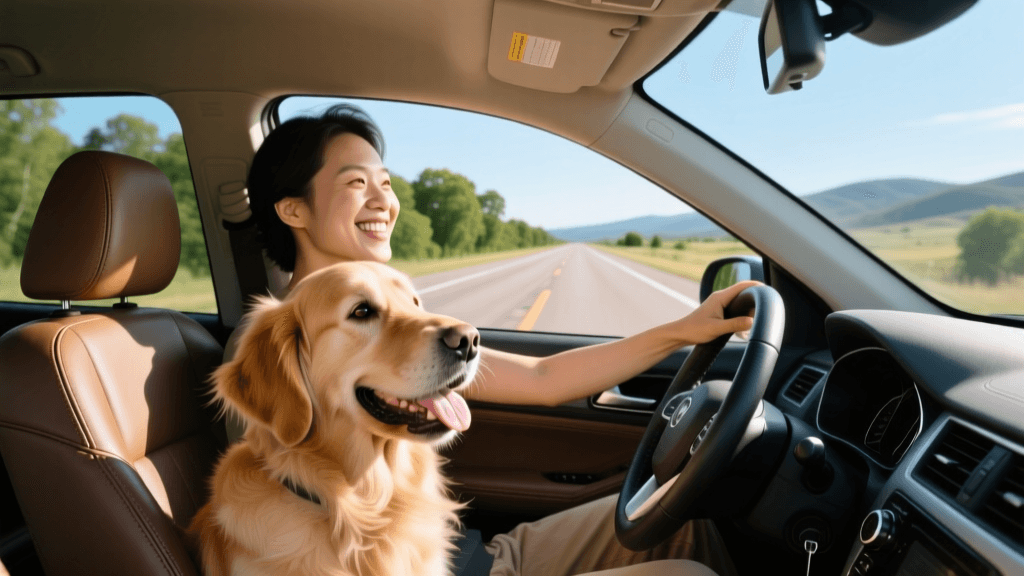
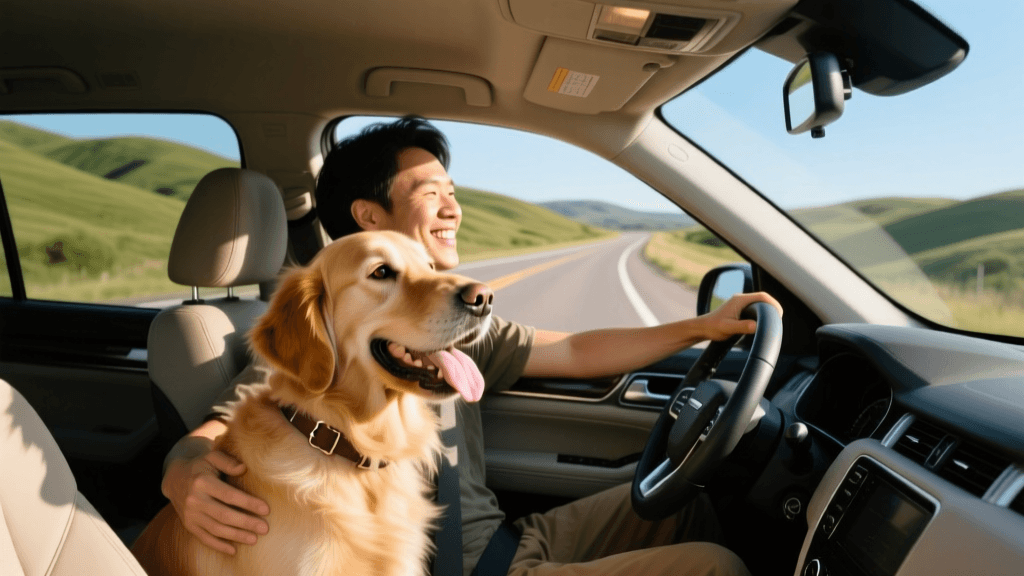
Allowing your dog to roam freely in the cabin, sit on your lap, or hang their head out the window is incredibly dangerous. In a collision at just 30 mph, an unrestrained 50-pound dog becomes a 2,000-pound projectile, posing a fatal risk to both the pet and the human passengers. Furthermore, debris kicked up by tires can cause severe ocular injuries to dogs hanging their heads out of windows.
The Center for Pet Safety (CPS) rigorously crash-tests pet travel products. When selecting a restraint, look for the CPS certification seal. Below is a comparison of common restraint methods to help you choose the safest option for your vehicle and dog size.
| Restraint Type | Safety Level | Best For | Estimated Cost |
|---|---|---|---|
| Crash-Tested Crate (e.g., Gunner G1) | Highest | Large dogs, highway driving, SUVs | $400 - $700 |
| CPS-Certified Harness (e.g., Sleepypod) | High | Medium dogs, frequent stops, sedans | $150 - $250 |
| Vehicle Pet Barrier | Medium | Keeping dogs out of the front seats | $40 - $90 |
| Standard Seatbelt Tether (Clip-in) | Low | Short, low-speed trips only (Not crash-tested) | $10 - $20 |
3. Overpacking the Wrong Gear (and Forgetting Essentials)
Many owners pack dozens of toys and multiple beds but forget the critical safety and health gear. A dedicated canine travel first-aid kit is non-negotiable. Your kit should include veterinary wrap (Vetrap), styptic powder for torn nails, canine-safe antihistamines (like Benadryl, dosed at 1mg per pound of body weight, though you must verify with your vet), tick removers, saline eye wash, a digital thermometer, and a soft muzzle (even the sweetest dog may bite when in severe pain).
Additionally, bring a collapsible silicone water bowl and a dedicated travel water bottle. Dogs can easily become dehydrated in climate-controlled cars because the AC strips moisture from the air. Offer water at every rest stop, but avoid letting them gulp massive amounts at once to prevent gastrointestinal upset.
4. Ignoring Potty and Enrichment Breaks
Pushing through a six-hour drive without stopping is a recipe for a stressed, uncomfortable dog and a soiled car interior. The golden rule of pet road trips is to stop every two to three hours for 15 to 20 minutes. These stops should not be limited to quick potty breaks on the side of a busy highway.
Instead, plan your route around pet-friendly rest areas, quiet parks, or designated dog runs. Allow your dog to engage in 'sniffari' walks. Sniffing lowers a dog's heart rate and provides immense mental enrichment, tiring them out just as effectively as physical exercise. A tired dog is much more likely to sleep peacefully for the next leg of the journey.
5. Leaving Your Dog in a Parked Car
This is arguably the most fatal mistake a pet owner can make. Even on a mild 70°F (21°C) day, the temperature inside a parked car can reach 89°F (31°C) in just 10 minutes, and 104°F (40°C) within 30 minutes. Cracking the windows provides virtually zero ventilation and does not prevent the greenhouse effect.
The American Veterinary Medical Association (AVMA) strongly warns against leaving pets unattended in vehicles, noting that dogs can suffer irreversible brain damage or death from heatstroke in a matter of minutes. If you need to stop for food or use the restroom, take turns with a travel companion, or utilize drive-thru services. If you are traveling solo, plan your stops at pet-friendly locations where your dog can accompany you indoors or on a shaded patio.
6. Forgetting to Pet-Proof Your Accommodation
Arriving at your Airbnb or hotel and immediately letting your dog off-leash is a common error. Rental properties are rarely pet-proofed. Before bringing your dog inside, do a quick sweep of the premises. Check for dropped medications, toxic houseplants (such as sago palms or lilies), accessible trash cans, and low-hanging electrical cords.
If your accommodation has a balcony or a low fence, inspect it for gaps where a small or medium-sized dog could slip through or get their head stuck. Bring a portable, freestanding pet playpen or a long tie-out cable to secure your dog while you unpack and assess the environment. Bringing your dog's familiar crate or bedding also helps establish a 'safe zone' in an unfamiliar room, reducing anxiety and preventing destructive chewing.
7. Feeding a Full Meal Right Before Departure
Just like humans, dogs can suffer from motion sickness. Feeding your dog a full meal immediately before getting into the car significantly increases the risk of nausea, vomiting, and distress. The ASPCA recommends fasting your dog for three to four hours before a long car ride.
Instead of a full meal, offer a small, bland snack, such as a few plain crackers or a spoonful of pumpkin puree. For hydration, offer ice cubes to lick rather than a full bowl of water, which can slosh around in the stomach and trigger vomiting. More importantly, feeding a large meal and immediately exercising or traveling can increase the risk of Gastric Dilatation-Volvulus (GDV), commonly known as bloat. This is a life-threatening emergency characterized by pacing, drooling, and unproductive retching, particularly in deep-chested breeds like Great Danes and German Shepherds.
Final Thoughts on Safe Dog Travel
Traveling with your dog should be a rewarding experience that strengthens your bond. By avoiding these seven common mistakes, you transition from a stressed driver to a confident pet parent. Invest in crash-tested gear, prioritize frequent enrichment breaks, and never compromise on temperature safety. With the right preparation, the open road is yours and your dog's to explore safely.
aaron-whyte
All our authors care for dogs every day — read more of their work on the authors page.