7 Road Trip Mistakes To Avoid When Traveling With Your Dog
Planning a road trip with your dog? Avoid these 7 common travel mistakes to keep your pup safe, comfortable, and happy on the highway.
The Open Road Awaits: Why Preparation is Everything
Embarking on a road trip with your canine companion is one of the most rewarding experiences of pet ownership. There is nothing quite like seeing the world through the enthusiastic eyes of your dog as you cruise down the highway. However, the excitement of travel often overshadows the critical safety and comfort protocols required to keep your pet secure. Many well-meaning dog owners inadvertently put their pets at risk by relying on assumptions rather than established veterinary and safety guidelines.
Whether you are planning a weekend getaway to the mountains or a cross-country adventure, avoiding common pitfalls is essential. From improper restraint systems to poor hydration planning, the mistakes you make before and during the drive can turn a dream vacation into a stressful nightmare. In this comprehensive guide, we will explore the top seven road trip mistakes dog owners make and provide actionable, data-backed solutions to ensure your furry co-pilot arrives at your destination safely and happily.
Mistake 1: Allowing Your Dog to Ride Unrestrained or in the Front Seat
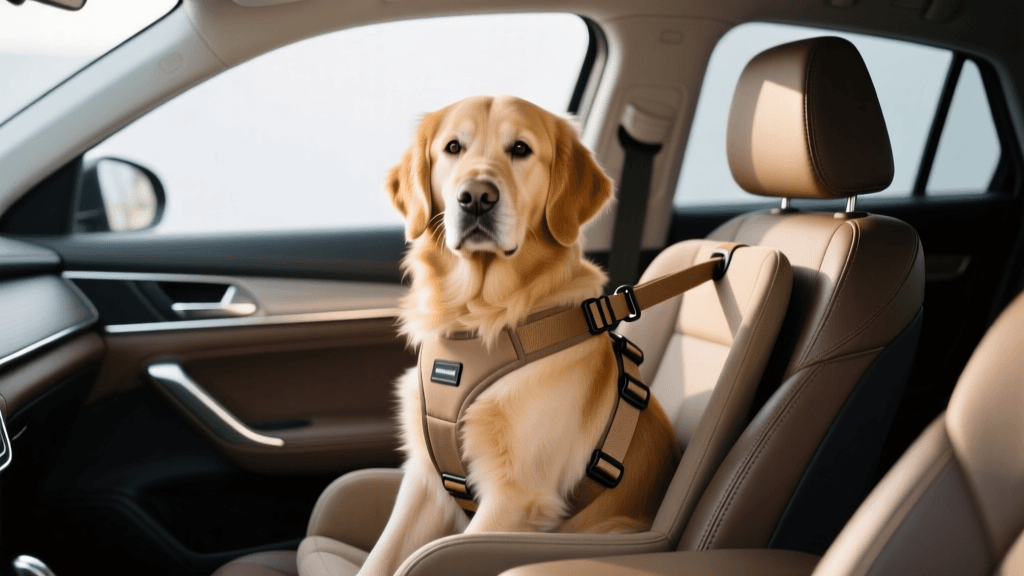
One of the most pervasive and dangerous myths in pet travel is that dogs are perfectly safe roaming freely in the car or sitting in the front passenger seat. According to the ASPCA's Safety Tips for Car Travel, an unrestrained dog can become a deadly projectile during a sudden stop or collision. At just 30 miles per hour, a 60-pound dog can exert over 2,700 pounds of force upon impact, severely injuring both the pet and the human passengers.
Furthermore, allowing your dog to ride in your lap or sit in the front seat exposes them to the risk of deploying airbags. Airbags are designed to protect adult humans, not canines, and the force of deployment can be fatal to a dog. Always restrict your dog to the back seat or the cargo area of an SUV, and ensure they are properly secured at all times while the vehicle is in motion.
Mistake 2: Choosing the Wrong Restraint System
Not all pet travel gear is created equal. Many products on the market are labeled as 'safety tested' without any rigorous, independent crash testing to back up those claims. Zipline tethers, standard wire crates, and cheap seatbelt clips often fail catastrophically under the extreme G-forces of a vehicular crash.
To ensure maximum protection, you should only purchase gear that has been independently tested and certified by the Center for Pet Safety Crash Test Certified program. Below is a comparison chart of common restraint types to help you make an informed purchasing decision:
| Restraint Type | Safety Rating | Estimated Cost | Best For |
|---|---|---|---|
| Crash-Tested Crate (e.g., Gunner G1) | 5-Star (CPS Certified) | $600 - $800 | Maximum safety, SUVs/Trucks |
| Crash-Tested Harness (e.g., Kurgo Tru-Fit) | 5-Star (CPS Certified) | $35 - $50 | Daily travel, smaller vehicles |
| Standard Seatbelt Tether | Not Crash Tested | $10 - $20 | Preventing roaming only |
| Wire Crate | Fails Crash Tests | $40 - $80 | Home use only |
Pro Tip: If you opt for a crash-tested crate, ensure it is properly sized. Your dog should be able to stand up, turn around, and lie down comfortably, but the crate should not be so large that they are thrown around inside it during sudden braking. Add roughly 2 to 4 inches to your dog's height and length measurements to find the perfect fit.
Mistake 3: Skipping the Pre-Trip Acclimation Phase
Throwing a dog that rarely rides in the car into the backseat for a ten-hour drive is a recipe for severe anxiety, motion sickness, and behavioral issues. Dogs need to build positive associations with the vehicle and the sensation of movement. Skipping the acclimation phase is a massive mistake that leads to stressful trips for both owner and pet.
Start your acclimation protocol at least four weeks before your trip. Begin by simply sitting in the parked car with your dog, offering high-value treats like freeze-dried liver or boiled chicken. Next, turn the engine on for five minutes without moving. Over the following weeks, progress to 5-minute drives around the block, then 15-minute drives to a favorite park, and eventually 30-minute highway stints. This gradual desensitization lowers cortisol levels and helps prevent travel-induced nausea.
Mistake 4: Feeding a Heavy Meal Right Before Departure
Just like humans, dogs are highly susceptible to motion sickness, and a full stomach drastically increases the likelihood of vomiting and gastrointestinal distress during the drive. Feeding your dog their regular morning meal right before you hit the road is a common error that results in messy cleanups and a deeply uncomfortable pup.
Veterinarians generally recommend fasting your dog for 3 to 4 hours prior to a long car trip. Provide a small, bland snack (like a few plain crackers or a spoonful of plain pumpkin puree) if they seem overly hungry. If your dog suffers from chronic motion sickness, consult your veterinarian about prescribing Cerenia (maropitant citrate). This highly effective anti-nausea medication typically costs between $30 and $50 for a standard prescription and can completely transform your dog's travel experience.
Mistake 5: Letting Your Dog Stick Their Head Out the Window
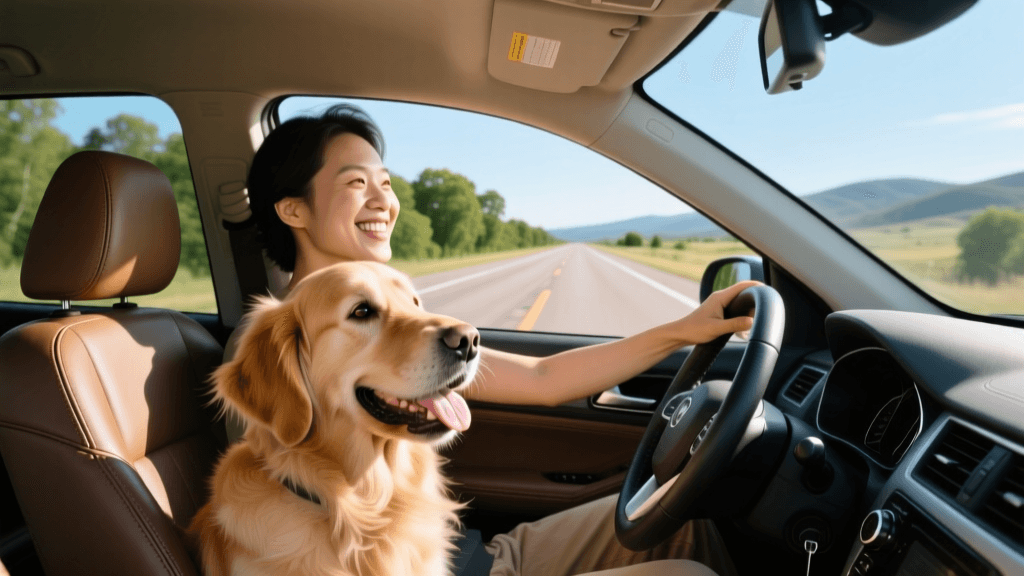
The iconic image of a happy dog with its ears flapping in the wind is deeply ingrained in our culture, but it is incredibly dangerous. Allowing your dog to hang their head out of a moving vehicle exposes their eyes, ears, and respiratory system to severe hazards.
According to the American Veterinary Medical Association (AVMA) guidelines on traveling with your pet, flying debris, pebbles, and insects can cause severe corneal abrasions or blunt force trauma to your dog's eyes and face. Furthermore, the constant rushing air can dry out their eyes and force dirt into their ear canals, leading to painful infections. Keep the windows rolled up enough to prevent your dog from extending their head outside the vehicle, and rely on the car's air conditioning to maintain a comfortable cabin temperature between 68°F and 72°F.
Mistake 6: Inadequate Rest Stops and Hydration Planning
Many owners try to power through long drives, stopping only for gas and human bathroom breaks. Dogs, however, need regular opportunities to stretch their legs, relieve themselves, and rehydrate. Forcing a dog to hold their bladder for eight hours can lead to painful urinary tract infections and extreme physical discomfort.
Establish a strict rule to stop every 2 to 3 hours for a minimum of 15 minutes. Find safe, grassy areas away from high-traffic highway shoulders where your dog can sniff and decompress. Always travel with a dedicated 'doggy go-bag' that includes a collapsible silicone travel bowl (like the Sea to Summit X-Bowl, which costs around $15), a gallon of fresh water from home (to avoid stomach upset from unfamiliar municipal water sources), and a long 15-foot biothane tracking leash to give them safe freedom to explore during breaks.
Mistake 7: Treating the Car Like a Daycare (Leaving Them Alone)
Perhaps the most fatal mistake a dog owner can make is leaving their pet unattended in a parked vehicle, even for 'just a few minutes' to run into a gas station or grab a coffee. The greenhouse effect inside a parked car is rapid and unforgiving.
On a seemingly mild 70°F day, the temperature inside a parked car can spike to 89°F in just 10 minutes, and 104°F within 30 minutes. Dogs do not sweat through their skin like humans do; they rely on panting to cool down, which is entirely ineffective in a stagnant, superheated environment. Heatstroke can cause irreversible organ failure and death in a matter of minutes. If you are on a road trip, plan your stops so that at least one human always remains in the vehicle with the dog and the air conditioning running, or utilize pet-friendly drive-thrus and curbside pickup options.
Essential Road Trip Packing Checklist
To avoid the final mistake of forgetting crucial supplies, use this checklist before pulling out of the driveway:
- Medical Records & ID: Physical and digital copies of rabies certificates, vaccination history, and a recent photo of your dog in case they get lost.
- First Aid Kit: Include styptic powder, self-adhering bandage wrap, tweezers, and saline eye wash.
- Comfort Items: A familiar-smelling blanket or an old t-shirt with your scent to reduce anxiety in unfamiliar hotel rooms.
- Poop Bags & Enzymatic Cleaner: For responsible cleanup and handling any inevitable car-sickness accidents.
- Extra Leash & Collar: Always have a backup in case your primary gear breaks or gets lost during a rest stop.
Conclusion
Traveling with your dog should be a joyous extension of the bond you share at home. By avoiding these seven common mistakes—ranging from utilizing improper restraints to failing to manage cabin temperatures—you pave the way for a smooth, safe, and memorable adventure. Invest in crash-tested gear, plan your rest stops meticulously, and prioritize your dog's physical and emotional comfort. With the right preparation, the open road will become a wonderful place for you and your best friend to explore together.
robin-maitland
All our authors care for dogs every day — read more of their work on the authors page.