5 Crucial Road Trip Mistakes to Avoid When Traveling With Dogs
Planning a getaway? Discover 5 common road trip mistakes to avoid when traveling with dogs, plus expert tips on crates, breaks, and safety gear.
The Allure of the Open Road
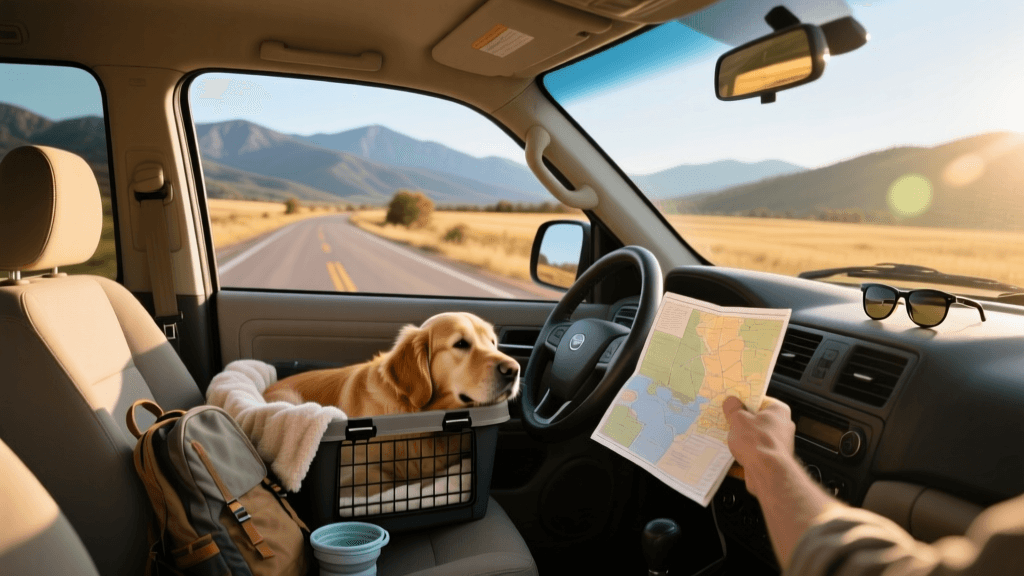
Embarking on a cross-country road trip or a quick weekend getaway with your canine companion is one of life’s greatest pleasures. The wind in their fur, the new scents at every rest stop, and the shared memories make traveling with dogs an unforgettable experience. However, the excitement of the open road often overshadows the critical logistics of safe pet travel. Many well-meaning dog owners inadvertently put their furry friends at risk by falling victim to common, easily avoidable travel errors. Whether you are driving a compact sedan or a spacious SUV, understanding the nuances of canine travel safety is non-negotiable. In this comprehensive guide, we will explore the most frequent mistakes pet parents make when road tripping with their dogs and provide actionable, expert-backed solutions to ensure your journey is as safe as it is scenic.
Mistake #1: Allowing Unrestrained Freedom in the Vehicle
It is a classic cinematic trope: a golden retriever sitting proudly in the bed of a pickup truck, or a terrier bouncing between the driver and passenger seats with its head out the window. While these images look idyllic, they are incredibly dangerous. An unrestrained dog in a moving vehicle is a severe projectile hazard. In the event of a sudden stop or collision at just 35 miles per hour, a 60-pound dog becomes a 2,700-pound force of impact. This not only endangers the dog's life but also poses a fatal risk to human passengers. Furthermore, dogs hanging their heads out of windows are highly susceptible to ocular injuries from flying debris, insects, and sudden gusts of wind that can cause severe corneal abrasions.
Actionable Solution: Invest in a certified crash-tested restraint system. According to extensive independent testing conducted by the Center for Pet Safety (CPS), many commercial pet seatbelts fail under crash conditions. Look for CPS-certified harnesses, such as the Sleepypod Clickit Sport (approximately $100), or opt for a heavy-duty, crash-tested crate like the Gunner Kennels G1 (starting around $500) that straps securely to your vehicle's anchor points. Always secure crates in the back seat or the cargo area of an SUV, ensuring they are tethered using ratchet straps rated for at least 500 pounds of force.
Mistake #2: Inadequate Hydration and Break Scheduling
Dogs do not sweat like humans; they regulate their body temperature primarily through panting and releasing heat through their paw pads. The enclosed, often sun-drenched environment of a car can rapidly dehydrate them, even with the air conditioning running. A common mistake is waiting until the dog is visibly panting or lethargic before offering water or a bathroom break.
Actionable Solution: Implement a strict schedule. Stop every two to three hours for a 15-minute break to allow your dog to stretch, eliminate, and hydrate. Bring a dedicated travel water bottle and a collapsible silicone bowl. A general veterinary rule of thumb is that dogs need about one ounce of water per pound of body weight per day, but this requirement increases by up to 30% during the stress and dry air of travel. For a 50-pound dog, pack at least 70 ounces of fresh water for a full day of driving. Offer small, frequent sips (about 4 to 8 ounces) during breaks to prevent gulping, which can lead to gastrointestinal upset or, in deep-chested breeds, contribute to the risk of Gastric Dilatation-Volvulus (bloat).
Mistake #3: The "Just Five Minutes" Parked Car Myth
Perhaps the most lethal mistake a dog owner can make is leaving their pet unattended in a parked vehicle. Many owners assume that cracking the windows or parking in the shade will keep the interior cool. This is a fatal miscalculation. The greenhouse effect inside a car is rapid and unforgiving.
Actionable Solution: Never leave your dog alone in a parked car, regardless of the outside temperature. The American Veterinary Medical Association (AVMA) warns that on a seemingly mild 70°F (21°C) day, the temperature inside a parked car can soar to 104°F (40°C) within just 30 minutes, and cracking the windows has virtually no effect on this heat accumulation. Dogs can suffer irreversible brain damage or death from heatstroke in a matter of minutes. If you must stop for food or supplies, utilize drive-through services, take turns staying in the running, air-conditioned vehicle with your dog, or plan your route around dog-friendly establishments with outdoor patios where your dog can remain by your side.
Mistake #4: Poor Feeding Timing and Motion Sickness Mismanagement
Hitting the road immediately after your dog has eaten a full meal is a recipe for disaster. The motion of the vehicle, combined with a full stomach, frequently triggers canine motion sickness, leading to excessive drooling, whining, and vomiting. More severely, exercising or traveling in a bouncy vehicle right after a large meal increases the risk of bloat in susceptible breeds.
Actionable Solution: Fast your dog for three to four hours before departure. If you are embarking on a multi-day trip, feed them their main meals during your evening stops at the hotel or campground, when they are settled and resting. If your dog is prone to severe motion sickness, consult your veterinarian prior to the trip. They may prescribe Cerenia (maropitant citrate), a highly effective, non-drowsy anti-nausea medication specifically formulated for dogs, or recommend over-the-counter options like Dramamine, provided you get the exact weight-based dosage from your vet. Alternatively, natural remedies like ginger chews or a few drops of peppermint oil on a bandana can help soothe mild nausea.
Mistake #5: Packing Reactively Instead of Proactively
Arriving at your destination only to realize you forgot your dog's specific allergy medication, their favorite calming bed, or their vaccination records can ruin a trip and cause immense stress. Many owners pack their own bags meticulously but treat the dog's travel kit as an afterthought, simply grabbing a leash and a bag of kibble.
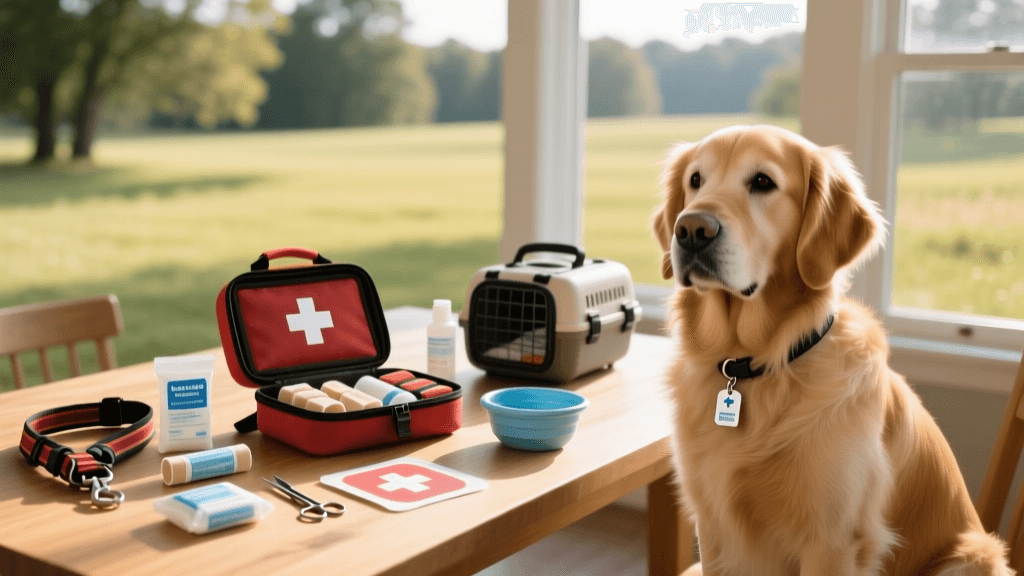
Actionable Solution: Create a dedicated, pre-packed canine go-bag that stays in your vehicle or near the door. A proper pet first-aid kit is the cornerstone of this bag. Ensure your kit includes:
- Vet wrap and self-adhering bandages for sprains or cuts
- Styptic powder to quickly stop bleeding from nail tears
- Tick removal tools and fine-tipped tweezers for thorns
- Sterile saline solution for flushing debris from eyes or wounds
Below is a comprehensive checklist and cost breakdown for a proactive dog road trip kit:
| Item | Purpose & Details | Estimated Cost |
|---|---|---|
| Hard Copy Vaccination Records | Required for boarding, dog-friendly hotels, and emergency vet visits. | $0 (Print at home) |
| Pet First-Aid Kit | Include vet wrap, styptic powder, tweezers, and saline solution. | $25 - $40 |
| Extra Leash and Collar | Backup gear in case the primary set breaks or gets lost on a hike. | $20 - $35 |
| Familiar Scent Item | A worn t-shirt or their home bed to reduce anxiety in new environments. | $0 (Use existing) |
| Poop Bags & Enzymatic Cleaner | For trail etiquette and hotel room accidents (e.g., Nature's Miracle). | $20 |
| Canine Sunscreen & Paw Balm | Protects light-colored noses and pads from hot asphalt and UV rays. | $15 - $25 |
Mistake #6: Neglecting Identification and Microchip Updates
When traveling, the risk of your dog slipping out of an unfamiliar hotel room door or getting spooked at a noisy rest area and bolting into the woods is significantly higher than at home. A common and devastating mistake is assuming a collar tag is enough, or forgetting that the microchip registered to your dog still has your old address or phone number.
Actionable Solution: Before you leave your driveway, log into your microchip registry and verify that your current cell phone number and an emergency contact's number are listed. The ASPCA emphasizes that a microchip is only as effective as the registration data attached to it. Additionally, equip your dog with a sturdy collar featuring a temporary travel tag that includes your cell phone number and the name of your destination hotel or campground. Consider investing in a GPS collar tracker, such as the Fi Series 3 or Tractive GPS, which provides real-time location tracking via cellular networks for a small monthly subscription fee (usually around $5 to $8 per month).
Final Thoughts on Safe Canine Travel
Embarking on a road trip with your dog should be a joyous adventure, not a source of anxiety. By avoiding these common mistakes and implementing proactive safety measures, you transform your vehicle into a secure, comfortable haven for your best friend. Remember that safe travel is an ongoing commitment to your dog's physical and emotional well-being. Buckle up, pack smart, and enjoy the beautiful journey ahead, knowing you have taken every necessary step to protect your canine co-pilot.
robin-maitland
All our authors care for dogs every day — read more of their work on the authors page.