Winter Paw Care and Cold-Weather Hiking Safety for Dogs
Learn essential winter paw care tips and cold-weather hiking safety for dogs. Discover the best booties, balms, and gear to keep your pup safe.
Embracing the Winter Trails with Your Dog
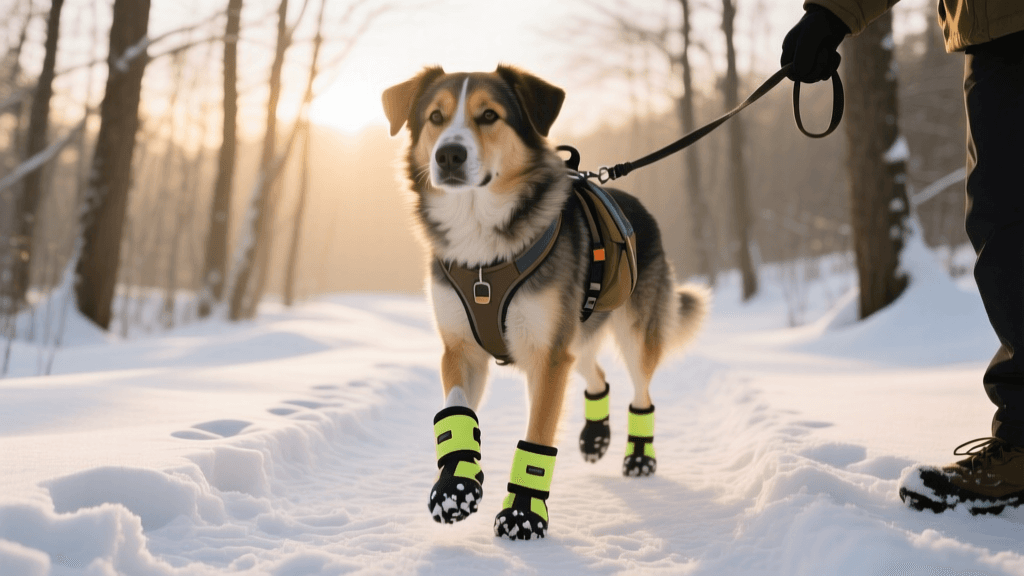
Winter transforms familiar hiking trails into stunning, snow-covered wonderlands. The crisp air, the quiet woods, and the sheer joy your dog experiences while bounding through fresh powder make cold-weather hiking an incredibly rewarding experience. However, sharing your life with a dog means taking responsibility for their safety in extreme conditions. Winter brings unique hazards, from freezing temperatures and sharp ice crusts to toxic de-icing chemicals on urban trails. To ensure your outdoor adventures remain safe and enjoyable, you must implement a rigorous seasonal care routine focused on paw protection, core temperature regulation, and trail safety.
Understanding Cold-Weather Risks and Paw Anatomy
Before hitting the trail, it is crucial to understand how cold weather affects your dog's physiology. According to the American Society for the Prevention of Cruelty to Animals (ASPCA), pets are susceptible to frostbite and hypothermia just like humans. Frostbite typically targets extremities with less muscle mass and poorer circulation, such as the ears, tail, and paw pads. Hypothermia occurs when a dog's core body temperature drops below 99°F (normal canine temperature ranges from 101.0°F to 102.5°F), leading to lethargy, shivering, and in severe cases, organ failure.
Dogs do possess a fascinating biological adaptation called a counter-current heat exchange system in their lower legs. Arteries carrying warm blood from the heart are positioned directly next to veins returning cold blood from the paws, which helps maintain core temperature and prevents the paw pads from freezing in moderate cold. However, this system does not protect against physical abrasions from jagged ice, nor does it prevent chemical burns from synthetic ice melts.
The Danger of Ice Melts
Urban and suburban trailheads are often treated with chemical de-icers containing sodium chloride, calcium chloride, or magnesium chloride. These salts lower the freezing point of water but are highly irritating to canine paw pads. More importantly, when your dog licks their paws after a hike, ingesting these chemicals can lead to severe gastrointestinal distress, drooling, vomiting, and even sodium ion poisoning. Preventing direct contact with these surfaces is a non-negotiable aspect of winter dog ownership.
The Winter Paw Care Protocol
Protecting your dog's paws requires a proactive, three-step routine: pre-hike preparation, mid-hike monitoring, and post-hike cleanup.
1. Pre-Hike Preparation
Start by grooming your dog's paws. Use blunt-nosed grooming scissors to carefully trim the fur between and around the paw pads to a length of about 1/4 inch. Long fur easily collects snow, forming painful, hardened 'ice balls' that stretch the sensitive skin between the toes and alter your dog's gait, potentially leading to joint strain.
Next, apply a high-quality paw wax. Musher's Secret Paw Protection Wax (typically costing around $16 to $20 for a 2 oz tin) is an industry favorite. Made from a blend of natural food-grade waxes and oils, it creates a semi-permeable shield on the paw pads. Apply a generous layer, massaging it thoroughly into the pads and between the toes about 10 minutes before leaving the house to allow it to set.
2. Mid-Hike Monitoring
Even with wax, you must monitor your dog's paws during the hike. Stop every 45 to 60 minutes to inspect their feet. Look for signs of discomfort, such as frequent paw-lifting, limping, or excessive licking. If you are hiking in deep, crusty snow or on heavily salted paths, paw wax may not be sufficient. In these conditions, transition to insulated dog booties.
3. Post-Hike Cleanup
Never let your dog lounge on your carpets or furniture immediately after a winter hike. Fill a basin or use a handheld showerhead with lukewarm water (never hot, as their pads may be numb and susceptible to burns) and gently wash each paw to remove salt, dirt, and hidden debris. Use a soft microfiber towel to dry the paws completely. If the pads appear dry or cracked, apply a soothing, pet-safe balm containing ingredients like shea butter or vitamin E to promote healing overnight.
Essential Winter Gear: Comparison Chart
Investing in the right gear is vital for seasonal care. Below is a comparison of the most effective winter protection items for active hiking dogs.
| Gear Category | Recommended Product | Best Use Case | Est. Cost | Key Feature |
|---|---|---|---|---|
| Paw Wax | Musher's Secret Paw Wax | Light snow, cold pavement, salt protection | $16 - $22 | Natural, non-toxic barrier that won't melt easily |
| Winter Booties | Ruffwear Polar Trex | Deep snow, sharp ice crusts, extreme cold | $65 - $80 | Vibram outsoles for grip and insulated fleece lining |
| Insulated Coat | Kurgo Loft Jacket | Windy conditions, freezing rain, short-haired breeds | $80 - $95 | Water-resistant shell with PrimaLoft insulation |
| LED Safety Collar | Nite Ize SpotLit LED | Early sunsets, low-visibility snowstorms | $15 - $20 | Carabiner clip-on with multiple color modes |
Core Temperature Regulation: Does Your Dog Need a Coat?
Not all dogs are built for the cold. While a Siberian Husky or Alaskan Malamute possesses a dense double coat designed to trap heat, breeds like Greyhounds, Whippets, Chihuahuas, and Doberman Pinschers lack the necessary body fat and fur density to retain warmth. Furthermore, senior dogs and puppies struggle to regulate their body temperatures regardless of breed.
The Humane Society of the United States advises pet owners to bring animals indoors during extreme cold snaps, but for active hiking, a well-fitted canine jacket is the solution. As a general rule, if the temperature drops below 45°F, cold-averse breeds should wear a light fleece or windbreaker. When temperatures plummet below 32°F (freezing), most medium-to-large short-haired dogs will benefit from an insulated, water-resistant winter coat. When measuring your dog for a coat, ensure you measure the neck girth, the chest girth (the widest part of the ribcage), and the back length (base of neck to base of tail) to prevent chafing during vigorous trail movement.
Trail Safety, Hydration, and Nutrition
Winter hiking requires adjustments to your standard trail routine. Daylight hours are significantly shorter, meaning a hike that takes three hours in July might end in pitch darkness in December. Always start your hikes early, carry a headlamp, and attach an LED light to your dog's collar or harness to maintain visual contact in dense, snowy forests.
Hydration in Freezing Temps
It is a common misconception that dogs do not need water in the cold. In reality, the winter air is incredibly dry, and dogs lose significant moisture through panting and the natural evaporation from their respiratory tracts. Snow is not a reliable water source; eating snow lowers core body temperature and forces the dog to expend precious metabolic energy to warm it up. Carry an insulated thermos filled with warm (not hot) water and a collapsible silicone bowl, offering your dog a drink every 30 to 45 minutes.
Increased Caloric Demands
Navigating through snow requires significantly more physical exertion than walking on clear dirt. Dogs burn extra calories simply to maintain their core body temperature in freezing environments. According to the American Veterinary Medical Association (AVMA), animals exposed to cold weather may require increased caloric intake. If your dog is hiking frequently in the winter, consider increasing their daily food intake by 10% to 20%, or supplement their meals with a high-fat, high-protein topper like wild Alaskan salmon oil or freeze-dried raw beef liver to sustain their energy levels on the trail.
Building a Winter Emergency Kit
Even the most prepared hikers can encounter emergencies, such as a sudden drop in temperature, a lost trail marker, or a canine paw injury. Your winter-specific doggy first-aid kit should include:
- Mylar Space Blanket: Lightweight and reflective, this can be wrapped around your dog's core to trap body heat in the event of an emergency bivouac.
- Self-Heating Paw Warmers: Activate these chemical warmers and place them against your dog's armpits or groin if you suspect early-stage hypothermia.
- Veterinary Wrap (Cohesive Bandage):strong> Essential for wrapping a torn dewclaw or a lacerated paw pad until you can reach a vehicle.
- High-Value Caloric Treats: Peanut butter or freeze-dried meat provides a quick energy spike and helps generate internal heat through digestion.
Conclusion
Sharing your life with a dog means adapting to the seasons together. Winter hiking offers a unique bond and breathtaking scenery, but it demands a vigilant approach to seasonal care. By mastering the winter paw care protocol, investing in the proper insulated gear, and adjusting your trail nutrition and safety habits, you can protect your dog from the hidden dangers of the cold. With the right preparation, your dog will be just as eager to hit the snowy trails as you are, ensuring a lifetime of safe, year-round adventures.
tom-renshaw
All our authors care for dogs every day — read more of their work on the authors page.