Road Tripping With Dogs: 7 Critical Mistakes To Avoid
Planning a road trip with your dog? Avoid these 7 critical travel mistakes to keep your pup safe, comfortable, and happy on the highway.

The Open Road and Your Dog: A Dangerous Mix if Unprepared
Embarking on a cross-country road trip or a weekend getaway with your dog is one of the greatest joys of pet ownership. The image of a happy pup with their ears flapping in the breeze is iconic. However, the reality of traveling with a canine companion requires meticulous planning, situational awareness, and a strict adherence to safety protocols. Many well-meaning pet parents inadvertently put their dogs in danger by relying on assumptions rather than expert guidelines.
According to the FDA guidelines on pet travel, preparation is the single most important factor in ensuring a safe journey. From securing your dog in the vehicle to managing their diet and health records, the margin for error on the highway is incredibly slim. To ensure your next adventure is memorable for all the right reasons, here are seven critical road trip mistakes you must never make, along with actionable steps to do things the right way.
1. NEVER Let Your Dog Ride Unrestrained
One of the most common and dangerous mistakes pet owners make is allowing their dog to roam freely in the car, sit on a passenger's lap, or lounge on the backseat without a restraint. In the event of a sudden stop or a collision at just 30 mph, an unrestrained 50-pound dog becomes a 2,500-pound projectile. This not only poses a fatal risk to the dog but also to the human occupants of the vehicle.
What to do instead: Invest in a crash-tested restraint system. The Center for Pet Safety rigorously tests pet travel gear and certifies only those that meet stringent crash-test standards. Opt for a certified harness like the Sleepypod Clickit Sport (approximately $90) which connects directly to the vehicle's seatbelt latch, or a crash-tested kennel like the Gunner G1 Intermediate (approximately $700) secured with heavy-duty tie-down straps. Never use a standard walking harness for car travel, as the nylon and stitching are not designed to withstand the kinetic force of a car crash.
2. NEVER Leave Your Dog in a Parked Car
Even on a mildly warm day, the interior of a parked car can reach lethal temperatures in a matter of minutes. Cracking the windows or parking in the shade provides virtually zero protection against the greenhouse effect that occurs inside a vehicle. Heatstroke in dogs is a rapid, fatal condition that can cause organ failure in less than 15 minutes.
The ASPCA hot weather safety guidelines explicitly warn against leaving pets in vehicles under any circumstances. To illustrate how rapidly danger escalates, review the temperature chart below:
| Outside Air Temperature | Car Interior: 10 Minutes | Car Interior: 30 Minutes |
|---|---|---|
| 70°F (21°C) | 89°F (31°C) | 104°F (40°C) |
| 80°F (26°C) | 99°F (37°C) | 114°F (45°C) |
| 90°F (32°C) | 109°F (42°C) | 124°F (51°C) |
What to do instead: Plan your route around dog-friendly establishments where your dog can come inside with you. If you must stop where dogs aren't allowed, utilize drive-thrus, or travel with a companion so one person can remain outside in the shade with the dog while the other runs errands.
3. NEVER Allow the "Head Out the Window" Stance
While dogs love the sensory overload of smelling the passing world, allowing your dog to hang their head out of a moving vehicle window is a recipe for veterinary disaster. High-speed winds can cause severe damage to a dog's ear flaps (pinnae), leading to hematomas that require surgical correction. More dangerously, airborne debris such as pebbles, insects, and road dust can strike the eye, causing severe corneal abrasions or ulcers.
What to do instead: Keep the windows rolled up enough so your dog cannot fit their head through the opening (a 2-inch gap is sufficient for sniffing). If your dog enjoys the breeze, consider purchasing a pair of canine goggles, commonly known as "Doggles," to protect their eyes from UV rays and debris. Alternatively, use a pet-safe window vent guard that allows fresh air to flow into the cabin without the risk of the dog jumping or falling out.
4. NEVER Feed a Full Meal Right Before Departure
Feeding your dog a large breakfast before hitting the road is a major trigger for two distinct problems: severe motion sickness and Gastric Dilatation-Volvulus (GDV), commonly known as bloat. Bloat is a life-threatening emergency where the stomach fills with gas and twists on itself, primarily affecting deep-chested breeds like Great Danes, German Shepherds, and Standard Poodles. The stress and vibration of car travel significantly increase the risk of GDV if the stomach is full.
What to do instead: Implement a fasting window. Withhold food for 3 to 4 hours prior to departure. If you are embarking on a multi-day trip, feed your dog their main meals in the evening once you have arrived at your destination and they have had time to decompress. During the drive, offer small, high-value treats for positive reinforcement and provide ice cubes to keep them hydrated without sloshing water in their stomach.
5. NEVER Assume Your Microchip is Enough
Many owners believe that because their dog is microchipped, they are fully protected if the dog gets lost in an unfamiliar state. However, a microchip is not a GPS tracker; it is merely a passive RFID tag. If your dog slips their collar at a rest stop in a rural area, the local animal control or veterinary clinic must have a compatible universal scanner and must remember to check the chip. Furthermore, if your contact information in the registry is outdated, the chip is useless.
What to do instead: Before leaving, log into your microchip registry and verify your current cell phone number and emergency contacts. More importantly, outfit your dog with a physical, highly visible ID tag. For road trips, purchase a temporary travel tag and write your current cell phone number and the address/phone number of your hotel or campsite on it with a permanent marker. This ensures that a Good Samaritan can reach you immediately without needing to involve authorities.
6. NEVER Push Through the 2-Hour Potty Limit
Human road trippers often try to maximize their driving time by pushing through for five or six hours without stopping. Dogs, however, need regular opportunities to relieve themselves, hydrate, and mentally decompress. Holding urine for extended periods in a vibrating vehicle is uncomfortable and can lead to urinary tract infections. Furthermore, a dog that is not given regular mental breaks will become restless, anxious, and vocal, creating a dangerous distraction for the driver.
What to do instead: Adhere strictly to the 2-hour rule. Stop every two hours for a 15-minute break. When stopping at busy, noisy highway rest areas, never use a retractable leash. The thin cords can snap, and they offer terrible control if your dog gets spooked by a loud semi-truck. Instead, use a 15-to-20-foot Biothane long line (costing around $25 to $40). This gives your dog the freedom to sniff and explore safely while maintaining a secure physical connection to you.
7. NEVER Rely on a Human First Aid Kit
Human first aid kits are woefully inadequate for canine emergencies. Adhesive bandages won't stick to fur, human pain medications like Ibuprofen and Acetaminophen are highly toxic to dogs, and standard tweezers are ineffective for removing embedded ticks without leaving the head behind.
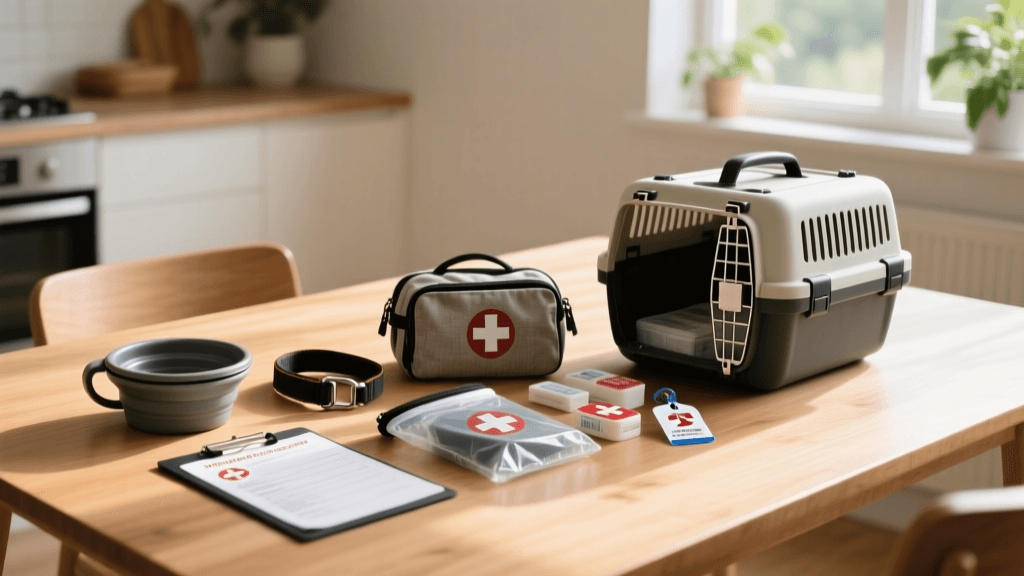
What to do instead: Assemble a dedicated canine first aid kit before your trip. Your kit must include:
- Kwik Stop Styptic Powder: To instantly stop bleeding from a torn or broken nail.
- Vetrap (Cohesive Bandage): To wrap wounds or stabilize sprains without sticking to your dog's fur.
- Tick Twister or Tick Key: For safe, complete removal of ticks picked up at wooded rest stops.
- Saline Eye Wash: To flush out dust, debris, or allergens from the road.
- Soft Basket Muzzle: Even the sweetest dog may bite out of sheer panic and pain if they are severely injured. A muzzle is a vital safety tool for administering first aid.
Final Thoughts on Canine Road Safety
Sharing your life with a dog means accepting the responsibility of being their advocate and protector in environments they don't fully understand. By avoiding these seven critical mistakes, you transition from a passive passenger to an active, prepared travel companion. Invest in the right safety gear, respect your dog's biological limits, and plan your route with their well-being in mind. The open road is waiting, and with the right precautions, you and your dog can conquer it safely together.
priya-sutaria
All our authors care for dogs every day — read more of their work on the authors page.