The Ideal Daily Wellness and Enrichment Schedule for Adult Dogs
Discover the ideal daily wellness and enrichment schedule for adult dogs. Learn expert tips on feeding, walking, mental stimulation, and rest.

The Science Behind a Structured Canine Routine
Dogs are inherently creatures of habit. In the wild, their ancestors followed strict circadian rhythms dictated by the sun, the hunt, and the pack's collective need for rest and digestion. Today, our domesticated companions rely on us to provide that same structural predictability. A well-designed daily wellness routine does more than just keep your dog physically tired; it actively regulates their cortisol levels, reduces separation anxiety, and promotes optimal digestive health. When a dog knows exactly what to expect and when to expect it, their baseline stress drops significantly, leading to a calmer, more focused, and healthier pet.
Creating a comprehensive schedule is not about rigid military-style timing, but rather about establishing a reliable flow of activities that address all of your dog's biological and psychological needs. This includes physical exercise, mental enrichment, proper nutrition, dental hygiene, and, crucially, uninterrupted rest. Below, we break down the ideal daily wellness and enrichment schedule for the average adult dog, complete with specific product recommendations, timing guidelines, and expert insights.
Morning: Wake, Hydrate, and Enrich (6:00 AM – 9:00 AM)
6:00 AM - 6:30 AM: Wake Up and Potty
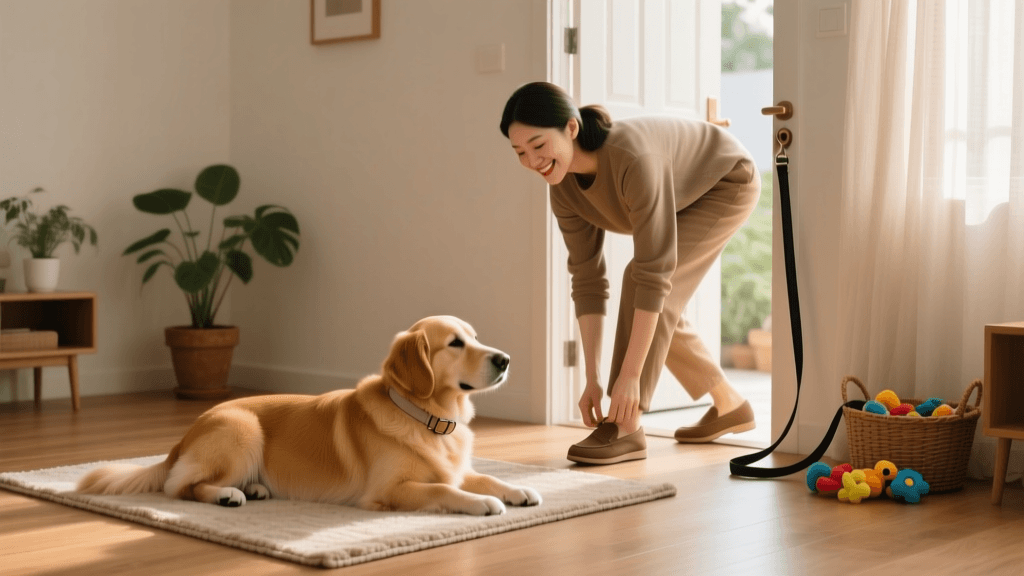
Start the day by letting your dog out for their first bathroom break immediately upon waking. After 7 to 8 hours of sleep, their bladder is full and their digestive system is ready to move. Keep this trip strictly business—no long walks or high-energy play. Use a consistent cue word like 'go potty' to reinforce the behavior, and reward them with a small treat immediately after they finish.
6:30 AM - 7:00 AM: Hydration and Enriched Breakfast
According to the ASPCA, consistent feeding times help regulate your dog's digestive system and make house-training or bathroom scheduling much more predictable. Instead of simply dumping kibble into a stainless steel bowl, turn breakfast into a mental workout. Use a slow feeder like the Outward Hound Fun Feeder (typically $15-$25) or a classic Kong Wobbler. These tools force your dog to forage for their food, slowing down their eating pace to prevent bloat (gastric dilatation-volvulus) and providing 15 to 20 minutes of crucial morning mental stimulation.
7:00 AM - 8:00 AM: The Morning 'Sniffari' Walk
The morning walk should be a 'Sniffari'—a decompression walk where the dog sets the pace and is allowed to sniff extensively. Sniffing lowers a dog's heart rate and engages their primary sense, providing mental fatigue that a brisk, heel-focused walk cannot achieve. Aim for 30 to 45 minutes. Use a well-fitted Y-shaped harness and a 6-foot leather or biothane leash to give them the freedom to explore safely.
Mid-Day: Rest and Solo Enrichment (9:00 AM – 3:00 PM)
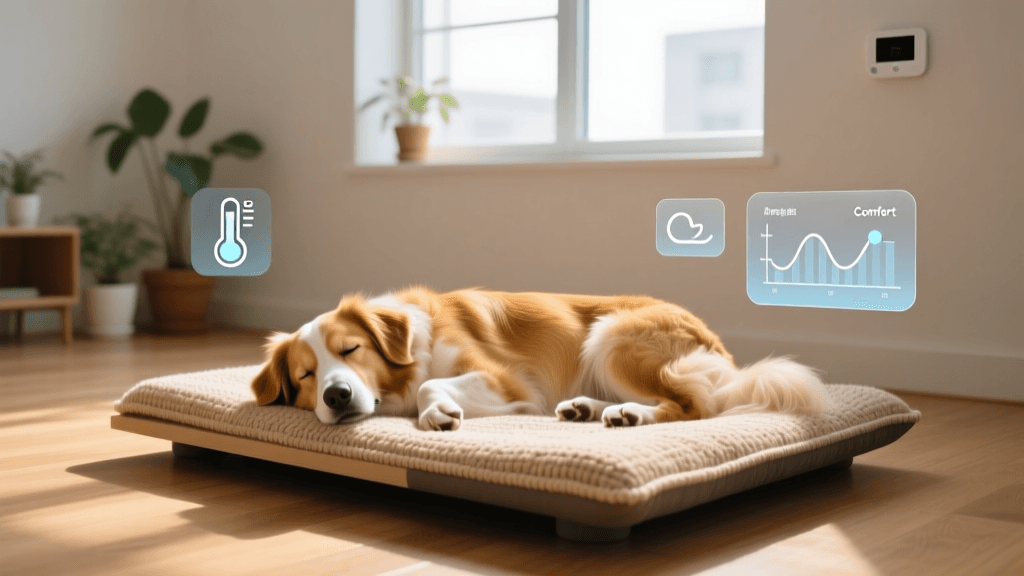
9:00 AM - 2:30 PM: Uninterrupted Sleep
Adult dogs require between 12 and 14 hours of sleep per day, and the bulk of this happens while you are at work or busy with mid-day chores. Provide a quiet, dimly lit, and temperature-controlled space for them to rest. A raised cot like the Coolaroo Elevated Pet Bed ($30-$45) is excellent for joint support and temperature regulation, especially in warmer months. Avoid interrupting your dog during deep REM sleep, as this can lead to startle reflexes and chronic sleep deprivation.
2:30 PM - 3:00 PM: Mid-Day Potty and Solo Enrichment
If you work from home or use a mid-day dog walker, this is the time for a brief 10-minute potty break followed by solo enrichment. Prepare a Hyper Pet IQ Treat Mat ($12-$18) by spreading it with plain, dog-safe pumpkin puree or low-sodium bone broth and freezing it overnight. Licking is a naturally soothing behavior for dogs that releases endorphins. When selecting chews or treats for solo time, always prioritize safety. The U.S. Food and Drug Administration (FDA) advises pet owners to carefully monitor dogs with any chew treats and to avoid hard items like weight-bearing bones or antlers that can cause dental fractures.
Late Afternoon: Active Play and Training (3:00 PM – 6:00 PM)
3:00 PM - 4:00 PM: Transition and Physical Play
As the afternoon progresses, it is time to burn off physical energy. Depending on your dog's breed and drive, this could mean a vigorous game of fetch, a session with a flirt pole, or a structured game of tug-of-war. High-energy breeds like Border Collies or Belgian Malinois may require 45 minutes of intense aerobic activity, while brachycephalic breeds like Pugs or French Bulldogs may only need 15 minutes of gentle play to avoid overheating.
4:00 PM - 4:15 PM: Focused Training Session
The American Kennel Club emphasizes that mental enrichment is just as tiring and important as physical exercise, helping to prevent destructive behaviors born from boredom. Dedicate 10 to 15 minutes to focused obedience training or trick shaping. Use high-value rewards like freeze-dried beef liver or small pieces of boiled chicken. Keep the sessions short, positive, and end on a successful note to maintain your dog's confidence and enthusiasm.
Evening: Dinner, Decompression, and Grooming (6:00 PM – 10:00 PM)
6:00 PM - 6:30 PM: Dinner and Evening Walk
Serve dinner using the same enrichment methods as breakfast. Follow this with a second, shorter walk (20-30 minutes) focused on loose-leash walking and neighborhood socialization. This helps digest their meal and provides a final opportunity to empty their bladder and bowels before the long night ahead.
8:00 PM - 8:30 PM: Wellness and Grooming Routine
Evenings are the perfect time to incorporate preventative health care into your bonding routine. Spend 5 minutes brushing your dog's coat with a slicker brush to distribute natural oils and check for ticks or skin irritations. More importantly, practice daily dental hygiene. Periodontal disease affects over 80% of dogs by age three. Use a veterinary-approved enzymatic toothpaste like Virbac C.E.T. ($10-$15) and a finger brush or soft-bristled canine toothbrush. If your dog resists brushing, supplement with a VOHC (Veterinary Oral Health Council) approved dental chew.
Daily Wellness Schedule Breakdown
| Time Block | Activity | Primary Wellness Benefit | Recommended Tools |
|---|---|---|---|
| 6:00 AM - 6:30 AM | Wake & Potty | Circadian rhythm regulation | High-value training treats |
| 6:30 AM - 7:00 AM | Enriched Breakfast | Slows digestion, mental focus | Outward Hound Fun Feeder |
| 7:00 AM - 8:00 AM | Sniffari Walk | Sensory enrichment, stress relief | Y-Harness, 6ft Biothane leash |
| 9:00 AM - 2:30 PM | Deep Rest | Cellular repair, REM sleep | Coolaroo Elevated Pet Bed |
| 2:30 PM - 3:00 PM | Potty & Licking | Endorphin release, hydration | Frozen Lick Mat with bone broth |
| 3:00 PM - 4:00 PM | Active Play | Cardiovascular health, muscle tone | Flirt pole, fetch toys |
| 4:00 PM - 4:15 PM | Training Session | Cognitive function, bonding | Freeze-dried liver treats, clicker |
| 8:00 PM - 8:30 PM | Grooming & Dental | Disease prevention, coat health | Virbac C.E.T. Toothpaste, slicker brush |
Customizing the Routine for Your Dog's Specific Needs
While the schedule above provides a robust framework, wellness routines must be tailored to your dog's age, breed, and medical history.
- Senior Dogs (Ages 7+): Older dogs require more frequent, shorter potty breaks and lower-impact exercise like swimming or gentle walking. Incorporate a joint supplement containing glucosamine, chondroitin, and MSM, such as Dasuquin Advanced ($50-$60 for a medium dog supply), to support cartilage health and mobility.
- High-Energy Working Breeds: Breeds like Pointers, Huskies, and Shepherds will need to double the physical play and training time. Consider adding canine sports like agility, nose work, or fast-paced lure coursing to their weekly schedule to prevent neurotic behaviors.
- Anxious or Reactive Dogs: For dogs with high cortisol baselines, prioritize the 'Sniffari' walks during off-peak hours (early morning or late evening) to avoid trigger-stacking. Use calming aids like an Adaptil pheromone diffuser in their resting area.
Pro Tip: Consistency is more important than the exact minute on the clock. If your schedule shifts by 30 minutes due to work or traffic, your dog will adapt just fine, provided the sequence of events (potty, eat, walk, rest) remains predictable.
Frequently Asked Questions
How long can an adult dog safely hold their bladder?
While most healthy adult dogs can physically hold their bladder for 8 hours, it is not recommended as a daily practice. Forcing a dog to hold it for extended periods increases the risk of urinary tract infections (UTIs) and bladder stones. Aim to provide a potty break at least every 4 to 6 hours during the day.
What if I work long hours away from home?
If you work 8 to 10 hours a day, a mid-day dog walker or a few days at a reputable doggy daycare are essential investments in your dog's wellness. Alternatively, if your dog is reliably litter-trained or uses a doggy door to access a secure, fenced yard, they can manage their own mid-day breaks, provided they have access to fresh water and climate control.
By committing to a structured, enrichment-heavy daily schedule, you are not just managing your dog's behavior—you are actively extending their lifespan, protecting their cognitive function, and deepening the bond you share. Wellness is not a weekend activity; it is a daily practice.
robin-maitland
All our authors care for dogs every day — read more of their work on the authors page.