Dog Emergency Evacuation Kit: A Natural Disaster Safety Guide
Learn how to build a comprehensive dog emergency evacuation kit. Get a checklist for natural disasters, safety tips, and expert advice for pet owners.
Why Every Dog Owner Needs an Evacuation Plan
Natural disasters such as hurricanes, wildfires, and sudden flash floods do not wait for you to pack your bags. When emergency sirens wail and evacuation orders are issued, the chaos can easily lead to forgotten essentials—especially for your four-legged family members. According to the Federal Emergency Management Agency (FEMA), thousands of pets are displaced or lost every year simply because their owners lacked a dedicated pet emergency plan. Preparing a comprehensive dog emergency evacuation kit is not just a precaution; it is a vital responsibility of modern pet ownership.
At Paws-Tales, we believe that sharing your life with a dog means protecting them through every season and storm. This emergency and safety guide will walk you through exactly what you need to pack, how to plan your route, and how to keep your dog calm and safe when disaster strikes.
The Ultimate Dog Emergency Evacuation Kit Checklist
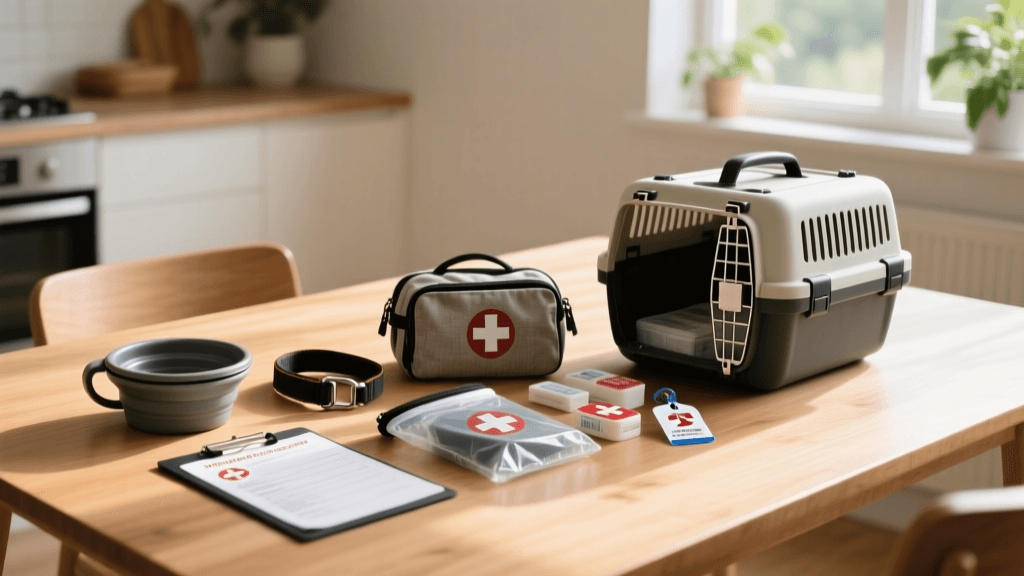
Your dog's emergency kit should be stored in a waterproof, easily accessible duffel bag or plastic bin near your primary exit door. It should be designed to sustain your dog for a minimum of three to seven days without access to external resources.
1. Hydration and Nutrition
Water is the most critical resource. A general veterinary guideline is that dogs require approximately one ounce of water per pound of body weight daily. However, stress and heat can increase this need. Pack one gallon of bottled water per large dog for a three-day supply. For food, opt for canned wet food rather than dry kibble. Canned food has a higher moisture content, which helps with hydration, and it comes in sealed, waterproof packaging. Remember to pack a collapsible silicone travel bowl and a manual can opener if your canned food does not feature a pull-tab lid.
2. Medical Supplies and Documentation
If your dog requires daily medications (such as thyroid supplements, heartworm prevention, or joint care), you must keep a dedicated two-week emergency supply in your kit. Rotate these medications every six months to ensure they do not expire. Alongside medications, store physical copies of your dog's veterinary records, rabies vaccination certificates, and a signed letter from your vet detailing any chronic conditions. Keep these documents inside a sealed, waterproof Ziploc bag.
Your canine first aid kit should also include sterile gauze pads, self-adhering bandage wrap (Vetrap), hydrogen peroxide (3% solution to induce vomiting ONLY under direct veterinary phone guidance), tweezers for tick or debris removal, and a digital pet thermometer.
3. Restraint, Comfort, and Safety Gear
During an evacuation, even the most well-trained dogs can become spooked by loud noises, unfamiliar environments, or the panic of their owners. You will need a sturdy, escape-proof harness and a heavy-duty six-foot nylon leash. Avoid retractable leashes, as they offer poor control in crowded shelter environments. Additionally, pack a familiar-smelling item, such as a worn t-shirt or a favorite chew toy, to help reduce canine anxiety in temporary shelters or hotel rooms.
4. Sanitation and Cleanup
Hygiene is crucial when confined to small spaces like cars or emergency shelters. Pack a large box of biodegradable poop bags, a bottle of pet-safe enzymatic cleaner for accidents, and a few absorbent microfiber towels. If you have a small dog, include a portable indoor grass patch or puppy pee pads.
Emergency Kit Breakdown: Items, Quantities, and Costs
Building a kit from scratch can seem expensive, but many items are things you already own. Below is a structured breakdown to help you budget and organize your dog's survival gear.
| Item Category | Specific Items | Recommended Quantity | Estimated Cost |
|---|---|---|---|
| Hydration & Food | Bottled water, canned wet food, collapsible bowl | 3-7 days supply (1 gal water/day for large dogs) | $30 - $50 |
| Medical & Docs | Prescription meds, first-aid kit, waterproof vet records | 14-day medication supply, 1 physical first-aid kit | $40 - $80 |
| Restraint & Gear | Escape-proof harness, 6ft leash, muzzle (if stress-reactive) | 1 of each, properly fitted | $25 - $60 |
| Sanitation | Poop bags, enzymatic cleaner, microfiber towels, pee pads | 1 roll bags, 1 bottle cleaner, 3 towels | $15 - $25 |
| Comfort | Favorite toy, familiar blanket, calming chews | 2 toys, 1 blanket, 1 pack chews | $15 - $30 |
The Critical Role of Microchipping and ID Tags
In the chaos of an evacuation, collars can slip off, and tags can become illegible. The American Veterinary Medical Association (AVMA) strongly recommends microchipping as a permanent form of identification. A microchip is a tiny, rice-sized transponder injected under your dog's skin between the shoulder blades. It contains a unique ID number linked to a national registry.
However, a microchip is only as good as the contact information registered to it. Before hurricane or wildfire season begins, log into your microchip registry portal and verify that your current phone number, address, and emergency backup contact are fully up to date. Pair this with a sturdy collar featuring a brightly colored, engraved ID tag that displays your dog's name and your mobile number.
Understanding the PETS Act and Pet-Friendly Shelters
Historically, many emergency shelters turned away pets, forcing owners to choose between their safety and their dogs. This changed with the passage of the Pets Evacuation and Transportation Standards (PETS) Act in 2006. The ASPCA notes that the PETS Act requires state and local emergency preparedness authorities to include pets in their disaster plans to receive federal funding.
Despite this, not every general population shelter is equipped to house animals. You must research pet-friendly shelters, boarding facilities outside the disaster zone, and pet-welcoming hotel chains well in advance. Always call ahead to confirm pet policies, as emergency agreements with hotels can sometimes be overwhelmed or altered during mass casualty events. Keep a physical paper map in your glovebox, as GPS cell towers frequently fail during severe hurricanes and wildfires. Create a printed list of three potential safe havens located at least 50 to 100 miles outside your immediate evacuation zone, and keep this list inside your dog's emergency kit.
Navigating Specific Natural Disasters with Your Dog
Hurricanes and Floods
Floodwaters are incredibly dangerous for dogs. Never allow your dog to wade in or drink from standing floodwater, as it is often contaminated with raw sewage, chemical runoff, and deadly bacteria like Leptospira. If you must evacuate through flooded areas, carry small dogs and use a life jacket with a sturdy handle for large breeds when navigating deep water near boats or rafts.
Wildfires and Smoke Inhalation
Dogs are highly susceptible to smoke inhalation and particulate matter. While human N95 masks do not fit canine snouts, you can protect your dog by limiting outdoor bathroom breaks to under five minutes and using damp towels to wipe down their coat and paws before bringing them back inside. If you are sheltering in place before an evacuation order, run HEPA air purifiers in the room where your dog spends the most time.
How to Practice Your Evacuation Drill
An evacuation kit is useless if you cannot get your dog into the car quickly. Stress alters canine behavior, and a dog that normally hops into the car may freeze or hide under a bed when they sense your panic. To combat this, conduct a timed evacuation drill twice a year.
- Step 1: Put your dog's harness and leash on calmly.
- Step 2: Load the emergency kit into your vehicle.
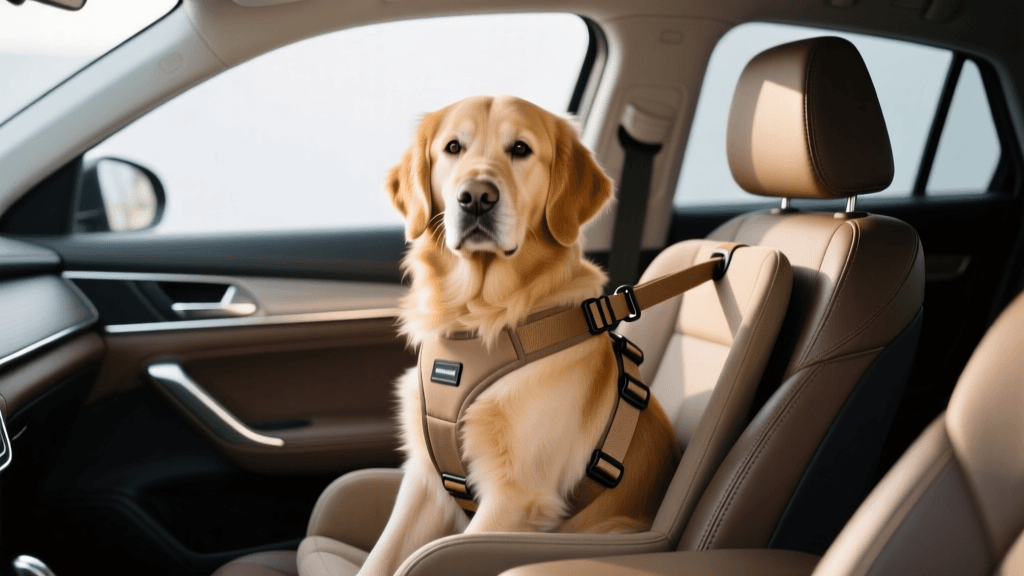
- Step 3: Guide your dog into their travel crate or secure them with a crash-tested seatbelt harness in the back seat.
- Step 4: Start the car and drive one block away to a local park to reward them with high-value treats.
If your dog is crate-averse, spend the weeks leading up to storm season feeding them their daily meals inside the crate with the door open, gradually building a positive association with their travel den. By associating the emergency kit and the travel crate with positive outcomes, you drastically reduce the time it takes to evacuate when seconds truly count.
Final Thoughts on Disaster Preparedness
Living with a dog brings immense joy, but it also requires a proactive approach to their safety. By assembling a thorough emergency evacuation kit, updating your microchip details, and mapping out pet-friendly shelters, you ensure that your loyal companion is protected no matter what nature throws your way. Review your kit's expiration dates every six months, practice your drills, and rest easy knowing you are fully prepared to weather any storm together.
robin-maitland
All our authors care for dogs every day — read more of their work on the authors page.