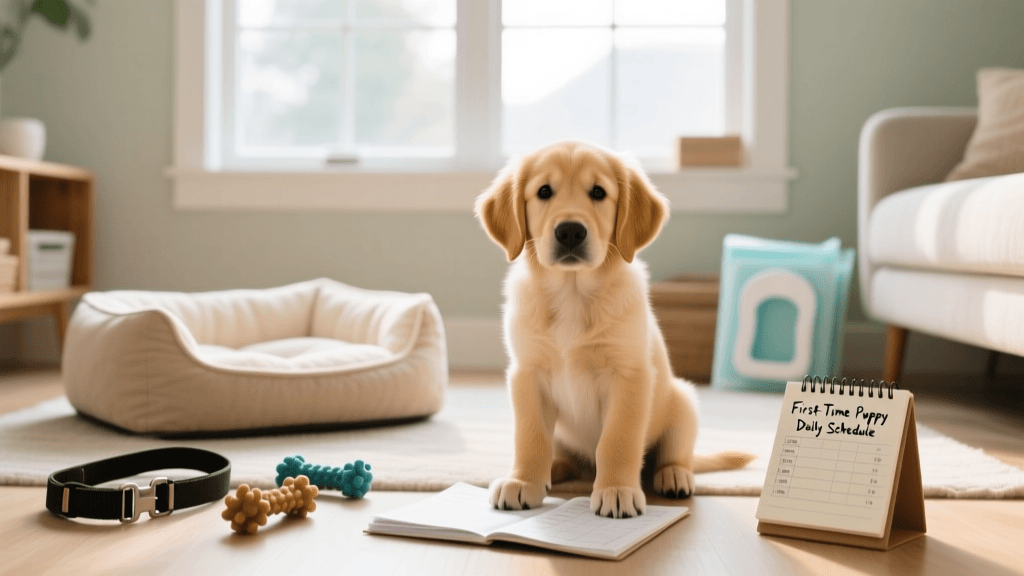
Mastering the Place Command: A Step-by-Step Guide
Learn how to train your dog to go to their mat with our step-by-step place command guide. Perfect for daily routines and multi-pet homes.
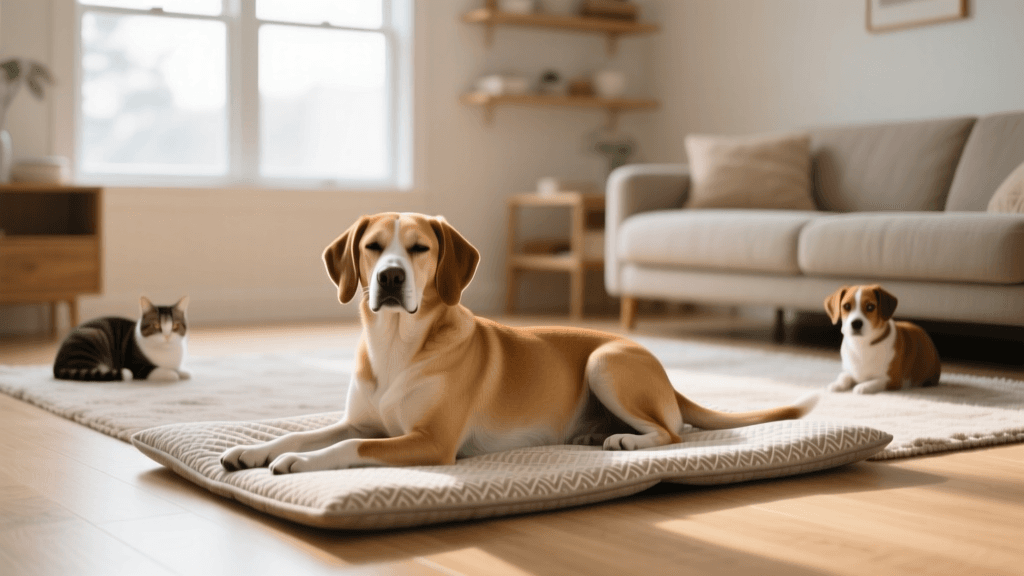
Why the "Place" Command is Essential for Daily Life
Sharing your life with a dog brings immense joy, but it also requires managing their energy and behavior within your home. Whether you are cooking dinner, hosting guests, or trying to keep the peace in a multi-pet household, the "Place" command is one of the most versatile and valuable tools in your training arsenal. Unlike the "Sit" or "Down" commands, which dictate a specific physical posture, the "Place" command teaches your dog to go to a specific designated spot and remain there until released. This provides your dog with a clear job and a safe haven, reducing anxiety and preventing unwanted behaviors like begging, jumping, or door-darting.
According to The Humane Society of the United States, positive reinforcement training that gives dogs a clear alternative behavior is significantly more effective than punishment-based methods. By teaching your dog to go to their mat, you are giving them a proactive choice that earns them rewards, rather than simply scolding them for being underfoot.
Essential Gear for Mat Training
Before beginning your step-by-step training, gather the right equipment. Having the proper tools will streamline the process and set your dog up for success.
- Designated Mat or Cot: You need a distinct, portable boundary. An elevated cot like the Kuranda Chewproof Cot (approx. $120-$150) is excellent for clear boundaries, while a washable silicone training mat ($25-$40) works well for travel.
- High-Value Treats: Use small, soft, and smelly treats. Zuke's Mini Naturals (approx. $6 per 6oz bag) are perfect because they are low-calorie and can be consumed in under one second, keeping the training momentum going.
- Clicker or Verbal Marker: A Karen Pryor i-Click ($5-$8) provides a precise auditory marker. If you prefer not to use a clicker, choose a distinct verbal marker like the word "Yes!" or a tongue click.
- Long-Lasting Chew: For building duration, a Kong Classic ($15) stuffed with frozen peanut butter or plain yogurt will keep your dog happily anchored to their mat.
Choosing the Right Mat: Comparison Chart
Selecting the right "place" depends on your dog's chewing habits, your home environment, and your training goals. Review the table below to choose the best option for your household.
| Mat Type | Best For | Pros | Cons | Average Cost |
|---|---|---|---|---|
| Elevated Cot (e.g., Kuranda) | Chewers, large breeds, clear boundaries | Highly durable, easy to clean, distinct physical edge | Bulky to move, expensive, takes up floor space | $120 - $180 |
| Orthopedic Plush Bed | Senior dogs, small breeds, bedroom use | Comfortable, cozy, encourages settling and sleep | Hard to clean, easily destroyed by chewers, absorbs odors | $40 - $90 |
| Silicone/Rubber Training Mat | Travel, kitchen use, quick clean-ups | Lightweight, waterproof, highly portable, non-slip | Not comfortable for long naps, lacks distinct raised edges | $20 - $40 |
Step-by-Step Training Guide
Follow these sequential steps to build a rock-solid "Place" command. Keep training sessions short—about 3 to 5 minutes, two to three times a day—to prevent mental fatigue.
Step 1: Luring and Capturing the Target
Place the mat on the floor in a quiet room with minimal distractions. Stand near the mat with your high-value treats. The moment your dog shows interest in the mat—whether they sniff it, look at it, or step on it—use your marker (click or say "Yes!") and immediately toss a treat onto the mat. Repeat this 10 to 15 times. You are building a positive association with the mat, teaching the dog that the mat is a reward-generating zone.
Step 2: Luring All Four Paws
Once your dog is readily stepping on the mat, raise your criteria. Now, only mark and reward when all four paws are physically on the mat. Hold a treat in your hand and slowly lure your dog onto the center of the mat. The instant their back feet cross the boundary, mark and reward. If they step off, simply reset and try again without scolding. Timing is critical here; your marker must occur within 0.5 seconds of the desired behavior.
Step 3: Adding the Verbal Cue
Dogs do not inherently understand English; they associate sounds with actions. Only introduce the verbal cue "Place" or "Mat" once your dog is reliably following your lure onto the mat. Say the word "Place" clearly, pause for one second, and then use your hand lure. Eventually, your dog will anticipate the lure upon hearing the word and will step onto the mat without needing the physical hand gesture.
Step 4: Building Duration (The 3-Second Rule)
Now that your dog is going to their place on cue, it is time to build duration. Ask your dog to go to their place. When they do, do not mark and reward immediately. Instead, count to three in your head. If they stay on the mat for three seconds, mark, reward, and use a release cue like "Free!" or "Break!" to let them know the exercise is over. Gradually increase the time to 5 seconds, 10 seconds, 30 seconds, and eventually several minutes. For longer durations, hand them a stuffed Kong Classic while they are on the mat to reinforce that staying put yields long-term rewards.
Step 5: Adding Distance and Distractions
Once your dog can hold their place for 30 seconds while you stand right next to them, begin adding distance. Ask them to go to their place, take one step back, immediately return, mark, and reward. Slowly increase the distance to three steps, then across the room, and eventually out of sight. According to the ASPCA Virtual Pet Behaviorist, you should only increase one variable at a time: either distance, duration, or distraction. Never increase all three simultaneously, or your dog will break the stay.
Step 6: Proofing the Release Cue
The release cue is just as important as the command itself. Your dog must learn that they are not allowed to leave the mat until they hear "Free" or "Break." If your dog breaks the place command before you release them, calmly guide them back to the mat without giving a treat, and restart the duration timer. Consistency here is vital for multi-pet households where boundaries must be strictly enforced.
Real-Life Applications in the Home
Once the behavior is proofed, integrate it into your daily routine to maintain reliability.
- Hosting Guests: The American Kennel Club (AKC) notes that giving a dog an alternative job is the best way to prevent jumping on guests. Send your dog to their place when the doorbell rings, and toss them high-value treats for remaining there while you greet your visitors.
- Cooking Dinner: Prevent begging and keep your dog safe from hot spills by sending them to their mat in the adjacent room or the corner of the kitchen with a long-lasting chew.
- Multi-Pet Feeding: If you have multiple dogs, send the faster eater to their place while the slower eater finishes their meal, eliminating resource guarding and food anxiety.
Troubleshooting Common Hurdles
My dog won't stay on the mat.
If your dog keeps breaking the stay, you have likely increased the difficulty too quickly. Return to the last step where they were successful. If they could do 10 seconds but fail at 30 seconds, drop back to 15 seconds and build up more slowly. Ensure your treats are high-value enough to compete with the environment.
My dog falls asleep and misses the release cue.
This is actually a sign of success! A relaxed dog is a settled dog. However, if you need them to move, simply use a gentle, upbeat tone to say their name followed by the release cue. Do not punish a dog for sleeping on their designated safe space.
My dog only goes to the mat when I have food in my hand.
You have accidentally created a bribe rather than a reward. To fix this, hide the treats in a pocket or a treat pouch on your waist. Give the verbal cue "Place" with empty hands. Once the dog is on the mat, reach into your pouch, pull out a treat, and reward. This teaches the dog that the action produces the reward, rather than the visible presence of food.
"Training is not about controlling your dog; it is about communicating clearly so your dog can make the right choices. The Place command gives them a sanctuary in a busy human world."
By investing just a few minutes a day into this step-by-step training guide, you will cultivate a calmer home environment and a more confident, settled dog. Consistency, patience, and high-value reinforcement are the keys to mastering the Place command for life.
aaron-whyte
All our authors care for dogs every day — read more of their work on the authors page.