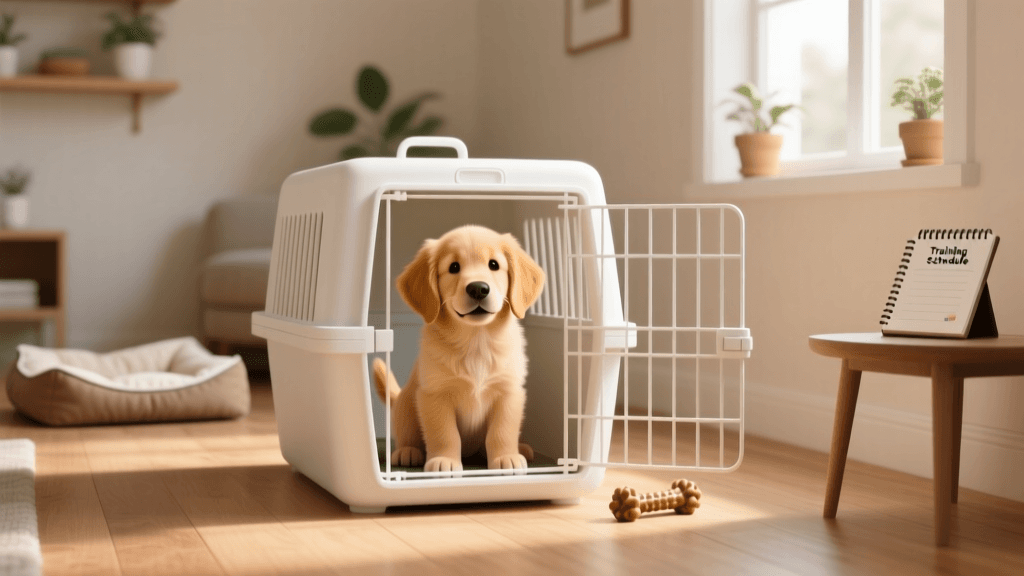
Rescue Puppy Care Guide: The 3-3-3 Rule & First Month
Discover how to help your rescue puppy adjust using the 3-3-3 rule. Learn essential first-month tips for training, vet care, and decompression.

The Journey Home: Understanding Rescue Puppy Decompression
Adopting a rescue puppy is a profound and life-changing commitment. Unlike puppies sourced from specialized breeders where early neurological stimulation, controlled environments, and predictable health histories are guaranteed, rescue puppies often transition from chaotic shelter environments, temporary foster homes, or even the streets. This early instability can manifest as fear, resource guarding, or extreme shutdown. As a new pet parent, your primary goal during the first month is not strict obedience, but rather decompression and building a foundation of absolute trust.
To manage your expectations and provide the right support, animal behaviorists and rescue organizations universally recommend the '3-3-3 Rule' of dog adoption. This framework outlines the general timeline a rescue dog or puppy needs to adjust to a completely new environment, new people, and new routines.
The 3-3-3 Rule of Rescue Puppy Decompression
The First 3 Days: Overwhelm and Shutdown
During the first 72 hours, your rescue puppy is likely to feel overwhelmed, scared, and unsure of their surroundings. They may refuse to eat, hide under furniture, or sleep excessively as a coping mechanism for stress. Some puppies may exhibit 'shutdown' behavior, appearing unusually compliant or entirely unresponsive. Actionable Advice: Keep your home incredibly quiet. Limit visitors to zero. Set up a designated 'safe zone' with a covered crate and a Snuggle Puppy (a plush toy with a simulated heartbeat) to mimic the feeling of littermates. Do not force interaction; let the puppy come to you on their own terms.
The First 3 Weeks: Settling and Testing
By week three, the puppy begins to understand that this new environment is their home. Their true personality will start to emerge, which often includes testing boundaries. You may see the onset of typical puppy behaviors like nipping, chewing baseboards, or testing the limits of their potty training. Actionable Advice: Establish a rigid daily schedule for feeding, potty breaks, and naps. Begin introducing low-stakes training sessions using high-value treats like boiled chicken or freeze-dried liver. Keep training sessions under five minutes to prevent frustration.
The First 3 Months: Bonding and Routine
At the three-month mark, a rescue puppy typically feels secure and bonded to their new family. They have learned the household rules, understand their daily routine, and have formed a deep attachment to their owners. Actionable Advice: This is the time to slowly introduce them to wider social circles, enroll in positive reinforcement puppy classes, and begin tackling more complex behavioral quirks like leash reactivity or mild separation anxiety.
Essential First-Month Supplies and Budgeting
Preparing your home before bringing a rescue puppy home is critical. Shelter environments are loud and stressful, so providing tools that promote calmness and security is essential. Below is a breakdown of the core supplies required for the first month, including specific product recommendations and estimated costs.
| Item | Purpose | Estimated Cost |
|---|---|---|
| Snuggle Puppy w/ Heartbeat | Reduces kennel anxiety and mimics littermates | $40 |
| Kong Classic (Puppy Rubber) | Teething relief and mental enrichment | $15 |
| Nature's Miracle Enzymatic Cleaner | Eliminates organic potty odors to prevent re-soiling | $12 |
| Purina Pro Plan Puppy Sensitive | Gentle digestion for stressed shelter guts | $55 (18lb bag) |
| Midwest 24-inch Crate w/ Divider | Safe space creation and potty training aid | $45 |
| Drag Leash (4-6 feet, lightweight) | Safe indoor redirection without grabbing the puppy | $10 |
Total Estimated Initial Supply Cost: $177
Veterinary Care: Parasites and Vaccines
Rescue puppies are notoriously prone to intestinal parasites and upper respiratory infections due to the high-density, high-stress environments of animal shelters. Within 48 hours of adoption, your puppy must visit a veterinarian for a comprehensive wellness exam and a fecal float test.
Common shelter-acquired parasites include Giardia, Coccidia, and Roundworms. If your puppy tests positive, your vet will likely prescribe a dewormer such as Panacur C (fenbendazole) or Albon. It is crucial to follow the exact dosage schedule—usually administered once daily for three to five consecutive days—and to pick up all feces in your yard immediately to prevent environmental re-contamination.
Vaccination
Navigating the Socialization Window Safely
One of the greatest challenges with rescue puppies is balancing the urgent need for socialization with the severe risk of infectious diseases like Parvovirus. The primary socialization window—the critical period when a puppy's brain is most receptive to new experiences—closes between 14 and 16 weeks of age. If a rescue puppy is kept entirely isolated until they are fully vaccinated at 16 weeks, they may develop permanent fear-based behavioral issues.
The American Kennel Club (AKC) emphasizes that socialization does not mean letting your puppy walk on public grass or interact with unknown dogs. Instead, safe socialization involves controlled exposure to novel stimuli. Here is how to socialize a vulnerable rescue puppy safely:
- The Stroller Method: Place your puppy in a pet stroller or carry them in a sling while walking through busy outdoor shopping centers, near construction sites, or outside of elementary schools. This exposes them to strange noises, surfaces, and crowds without their paws touching contaminated soil.
- Surface Training: Bring home various textures like gravel, artificial turf, bubble wrap, and metal grates. Feed your puppy high-value treats while they stand on these surfaces to build confidence.
- Vaccinated Playdates: Only allow your rescue puppy to interact with adult dogs or other puppies that you personally know are fully vaccinated and possess stable, gentle temperaments.
Resetting Potty Training for Kennel-Raised Pups
Many rescue puppies have inadvertently been 'kennel-trained' to eliminate where they sleep. In a shelter, a puppy may be confined to a small run for 12 to 18 hours a day, forcing them to soil their sleeping area. This breaks their natural instinct to keep their den clean, making traditional potty training incredibly frustrating for the new owner.
To reset this behavior, you must meticulously manage their environment. Use a wire crate equipped with a divider panel. The space should only be large enough for the puppy to stand up, turn around, and lie down. If the space is too large, they will designate one corner for sleeping and the other for a bathroom. Take the puppy outside on a leash every 90 minutes during the day, and immediately after every meal, nap, or play session. When they eliminate outdoors, reward them instantly with a treat and enthusiastic praise. If an accident happens indoors, clean it exclusively with an enzymatic cleaner like Nature's Miracle; standard household cleaners will not break down the uric acid crystals, and the lingering scent will invite repeat offenses.
When to Seek Professional Behavioral Help
While the 3-3-3 rule provides a general timeline, some rescue puppies exhibit severe behavioral red flags that require immediate professional intervention. If your puppy displays intense resource guarding (snapping or biting when approached near food or toys), severe leash reactivity, or extreme fear aggression that does not improve after the first three weeks of decompression, do not wait for them to 'grow out of it.'
The Humane Society of the United States recommends seeking out a certified professional dog trainer (CPDT-KA) or a veterinary behaviorist who utilizes force-free, positive reinforcement methods. Avoid any trainer who recommends alpha rolls, shock collars, or dominance theory, as these punitive methods will severely damage the fragile trust you have built with your rescue puppy and can escalate fear-based aggression. With patience, structured routines, and compassionate guidance, your rescue puppy will transform into a confident, deeply bonded companion.
tom-renshaw
All our authors care for dogs every day — read more of their work on the authors page.