5 Puppy Socialization Mistakes That Cause Fear and Anxiety
Avoid these 5 common puppy socialization mistakes to prevent fear and anxiety. Learn safe exposure timelines, body language cues, and training tips.
The Critical Window: Why Socialization Matters
Bringing a new puppy home is an exhilarating experience, but it comes with a ticking clock. The primary socialization window for puppies occurs between 3 and 14 weeks of age. During this brief developmental period, a puppy's brain is uniquely wired to accept new experiences, sounds, surfaces, and beings as 'normal' and safe. What happens during these 11 weeks will profoundly shape your dog's behavior, confidence, and emotional stability for the rest of their life.
Unfortunately, many well-meaning owners inadvertently sabotage this process. According to the American Veterinary Society of Animal Behavior (AVSAB), behavioral issues—not infectious diseases—are the number one cause of death for dogs under three years of age. Improper socialization often leads to fear-based aggression, severe anxiety, and ultimately, surrender to shelters.
To ensure your puppy grows into a confident, well-adjusted adult dog, you must avoid the following five common socialization mistakes.
Mistake 1: Waiting Until All Vaccinations Are Complete
The most pervasive and damaging myth in puppy care is the idea that you must keep your puppy isolated indoors until they have received their final round of vaccinations (usually around 16 weeks of age). While protecting your puppy from Parvovirus and Distemper is crucial, waiting until 16 weeks means you will entirely miss the primary socialization window.
The Solution: Practice safe socialization. The AVSAB strongly recommends that puppies begin socialization classes and controlled exposure as early as 7 to 8 weeks of age, provided they have received at least one set of vaccines and a deworming treatment.
- Carry or use a stroller: Invest in a pet stroller ($100-$150) or a canine carrier sling to take your puppy to busy outdoor cafes, hardware stores, and parks without letting their paws touch high-traffic public soil.
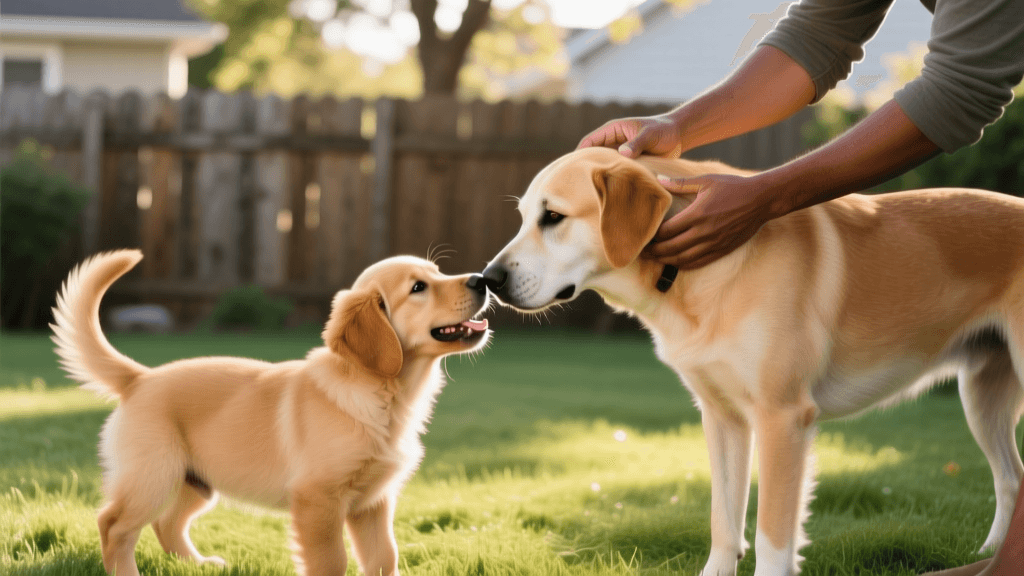
- Host puppy playdates: Invite friends with fully vaccinated, healthy, and temperament-tested adult dogs to your home or yard.
- Enroll in Puppy Kindergarten: Reputable training facilities require proof of first vaccines and sanitize their floors with veterinary-grade cleaners. A 6-week session typically costs between $100 and $250, which is a fraction of the cost of future behavioral rehabilitation.
Mistake 2: Confusing 'Exposure' with 'Socialization'
Many owners believe that simply putting their puppy in the presence of a novel stimulus constitutes socialization. For example, dragging a terrified puppy to a dog park or forcing them to sit next to a loud garbage truck is mere exposure. If the puppy is frightened during this exposure, you are actually sensitizing them to the trigger, teaching their brain that garbage trucks or strange dogs are terrifying.
The Solution: True socialization requires positive emotional associations. Your goal is to pair novel experiences with high-value rewards. According to Fear Free Pets, keeping a puppy under their fear threshold while feeding them treats creates a positive neurological pathway. Keep a treat pouch stocked with high-value, smelly rewards like Zuke's Mini Naturals ($6-$8 per bag) or small pieces of boiled chicken breast. Every time your puppy looks at a skateboard, a person in a hat, or a strange noise, mark the behavior with a cheerful 'Yes!' and deliver a treat.
Mistake 3: Forcing Interactions (The Flooding Effect)
'Flooding' is a psychological term for forcing an individual to face their fears at maximum intensity without an escape route. When a well-meaning stranger leans over your puppy, reaches out to pat their head, and your puppy cowers or freezes, allowing the interaction to continue is flooding. The puppy learns that they have no control over their environment, which breeds learned helplessness and defensive aggression.
The Solution: Implement the 3-Second Consent Test. When someone asks to pet your puppy, instruct them to ignore the dog at first. Allow your puppy to approach the stranger. If the puppy sniffs and leans in, the stranger may gently pet the puppy's chest or shoulder for exactly three seconds. Then, the stranger must stop and remove their hand.
Observe your puppy's reaction: If the puppy leans in for more, they have given consent. If the puppy looks away, licks their lips, or steps back, respect their boundary and increase your distance. Empowering your puppy to say 'no' builds immense confidence.
Mistake 4: Ignoring Canine Body Language and Thresholds
Puppies rarely use vocalizations to express discomfort early on. Instead, they use subtle 'calming signals' to communicate stress. Owners who miss these signs inadvertently push their puppies past their emotional threshold, resulting in a puppy that suddenly 'reacts' by barking, lunging, or biting.
Watch for these early stress signals:
- Lip licking and yawning: When not tired or eating, these are primary indicators of nervousness.
- Whale eye: When the puppy turns their head away but keeps their eyes fixed on the trigger, showing the whites of their eyes.
- Shaking off: A full-body shake (like they are wet) is a way dogs attempt to 'reset' their nervous system after a stressful encounter.
- Freezing: A still, stiff puppy is not a 'good, calm' puppy; they are terrified.
The Solution: Manage your distance. If your puppy shows stress signals when watching a bus go by from 20 feet away, immediately retreat to 50 or 100 feet. Find the distance where your puppy can observe the trigger while still being able to eat treats and maintain a loose, wiggly body posture. The American Kennel Club (AKC) emphasizes that advocating for your puppy's space is one of the most critical skills an owner can develop.
Mistake 5: Overlooking Decompression and Sleep Needs
A heavily scheduled puppy is an overstimulated puppy. Many owners treat their puppy's socialization checklist like a corporate itinerary, dragging the puppy to three different environments in a single day. Puppies require 18 to 20 hours of sleep per day to process new neurological information and support their rapid physical growth. An over-tired puppy will exhibit behavioral signs that mimic severe anxiety or hyperactivity, including relentless biting, inability to settle, and fearfulness.
The Solution: Enforce mandatory naps. If you are out socializing, limit outings to 15-20 minutes. When you return home, place your puppy in a quiet, covered crate (such as a MidWest iCrate, approx. $50-$70) with a long-lasting enrichment item like a frozen Kong Classic Red ($15-$20) stuffed with plain yogurt and peanut butter. This allows their nervous system to decompress and consolidates the positive learning they just experienced.
Proper vs. Improper Socialization: A Comparison Chart
To help you visualize the difference between simply exposing your puppy to the world and actively socializing them, review the comparison table below.
| Scenario | Mere Exposure (Mistake) | True Socialization (Goal) |
|---|---|---|
| Meeting a Stranger | Stranger leans over, pats puppy on head. Puppy cowers but stays. | Stranger ignores puppy. Puppy approaches voluntarily, gets a treat from owner. |
| Hearing Loud Noises | Walking next to a construction site. Puppy pulls away, panting heavily. | Watching construction from 100 feet away while eating boiled chicken. |
| Novel Surfaces | Dragging puppy across a metal grate. Puppy freezes and trembles. | Scattering kibble near a metal grate. Puppy steps on it voluntarily to eat. |
| Other Dogs | Releasing puppy into a chaotic dog park. Puppy is chased and hides. | Parallel walking with a calm, vaccinated adult dog at a 10-foot distance. |
Your Actionable 14-Week Socialization Plan
Follow this structured timeline to ensure you hit all developmental milestones safely and positively.
Weeks 8 to 10: The Fear Impact Period
During this time, puppies are highly susceptible to lifelong fears. Avoid traumatic events (like elective veterinary procedures or harsh discipline). Focus on gentle handling, introducing grooming tools (like a soft-bristle brush and nail clippers) paired with treats, and inviting calm, vaccinated dogs to your home. Use a Snuffle Mat ($20-$30) to build confidence through scent work on novel indoor surfaces.
Weeks 10 to 12: Expanding the World
Begin carrying your puppy or using a stroller to visit outdoor shopping centers, schoolyards, and transit stops. Focus on observing the world from a distance. Introduce your puppy to people wearing uniforms, hats, sunglasses, and carrying umbrellas. Play recordings of thunderstorms and fireworks at a very low volume while feeding them their meals, gradually increasing the volume over several weeks.
Weeks 12 to 14: Building Resilience
As your puppy receives their second or third round of vaccines, you can begin walking on public sidewalks. Practice the 'Consent Test' with strangers. Introduce novel footing like gravel, sand, wet grass, and metal grates. Enroll in a reward-based puppy kindergarten class to practice recall and focus around the distraction of other puppies.
Conclusion
Socialization is not about your puppy meeting every single person and dog they see; it is about teaching your puppy that the world is a safe, predictable, and rewarding place. By avoiding the traps of delayed exposure, forced interactions, and overstimulation, you lay the groundwork for a resilient, happy, and emotionally balanced adult dog. Remember to advocate for your puppy's boundaries, prioritize their sleep, and always let positive associations lead the way.
anouk-beaumont
All our authors care for dogs every day — read more of their work on the authors page.