How To Safely Introduce A New Puppy To Your Senior Dog
Learn how to safely introduce a new puppy to your senior dog. Discover tips for managing energy levels, protecting aging joints, and ensuring peace.

The Generational Gap: Understanding the Energy Clash
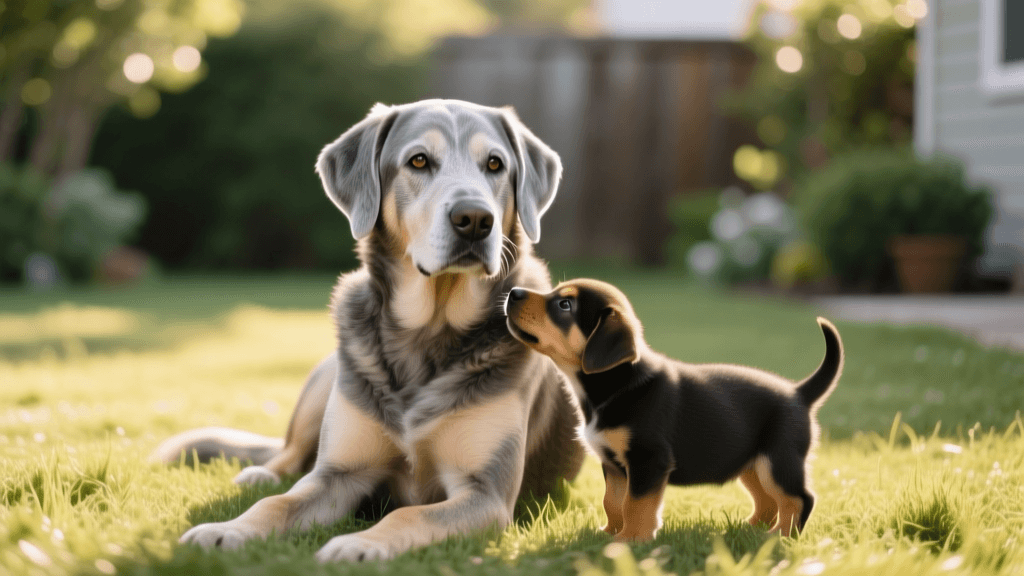
Bringing a new puppy into a household with a senior dog is a beautiful milestone, but it is not without its unique challenges. While you are excited about the pitter-patter of tiny paws, your aging dog may view the new arrival as a chaotic disruption to their well-earned peace. Puppies are essentially canine toddlers: they have boundless energy, lack social boundaries, and explore the world primarily through their mouths. Senior dogs, on the other hand, often deal with diminished hearing, failing eyesight, and age-related joint discomfort. They require more sleep, predictable routines, and quiet environments.
From a puppy care perspective, socialization is a critical developmental milestone during the first year of life. However, when your socialization partner is a fragile senior dog, the standard 'let them play it out' approach can lead to physical injury for the older dog and behavioral setbacks for the puppy. Successfully raising a puppy in a multi-generational home requires a strategic, empathetic approach that prioritizes the physical and emotional well-being of your aging dog while still fulfilling the puppy's developmental needs.
Preparing Your Home: Creating Safe Zones and Sanctuaries
Before the puppy ever crosses your threshold, you must puppy-proof your home with your senior dog's limitations in mind. The goal is to create physical boundaries that allow the older dog to retreat without being followed.
Strategic Baby Gate Placement
Invest in high-quality, hardware-mounted baby gates rather than pressure-mounted ones, which can easily be knocked over by a determined puppy. A gate like the Regalo Easy Step Walk Thru Gate (typically costing between $40 and $80) is excellent because it features a small pet door at the base. This allows your senior dog to slip through to a quiet room while blocking the puppy. Ensure the gate is at least 30 inches high to prevent the puppy from jumping over it as they grow.
Orthopedic Retreats
Your senior dog needs a dedicated, undisturbed sleeping area. Place a high-quality orthopedic bed, such as the Big Barker Orthopedic Dog Bed, in a low-traffic room or behind a baby gate. According to the ASPCA, providing a comfortable, easily accessible resting area is crucial for older dogs, as it helps alleviate the pressure on their aging joints and muscles.
The First Introduction: Step-by-Step Guide
The initial meeting sets the tone for their lifelong relationship. Never introduce a new puppy to a senior dog inside the house, as this can trigger territorial stress. According to guidelines published by The Humane Society of the United States, introductions should always take place on neutral territory with both dogs securely leashed.
Step 1: The Parallel Walk
Have a friend or family member handle the puppy while you hold your senior dog's leash. Begin walking them in the same direction on opposite sides of a wide street or park path. Keep the distance wide enough that neither dog reacts. Gradually decrease the distance over 15 to 20 minutes, rewarding both dogs with high-value treats like boiled chicken or freeze-dried liver for calm behavior.
Step 2: The Sniff Test
Once both dogs are relaxed, allow them to approach each other in a curved line (a direct, head-on approach is confrontational in dog body language). Keep leashes loose to avoid transmitting tension. Allow a brief three-second sniff, then cheerfully call them away and reward them. Repeat this several times, keeping the entire outdoor session under 20 minutes to prevent the senior dog from becoming fatigued.
Step 3: Bringing the Puppy Home
When you enter the home, remove all toys, food bowls, and high-value chews from the shared areas. Resource guarding is a common issue when introducing a new dog, and eliminating triggers prevents unnecessary conflict.
Protecting Your Senior Dog's Physical Health
Puppies do not know their own strength, and a simple pounce can be devastating to an older dog. The American College of Veterinary Surgeons notes that osteoarthritis is a progressive, degenerative joint disease that affects a vast majority of older dogs. A puppy landing on a senior dog's hindquarters can exacerbate hip dysplasia or spinal issues, leading to acute pain and mobility loss.
- Supplements: Consult your veterinarian about starting your senior dog on a joint supplement containing glucosamine, chondroitin, and omega-3 fatty acids (EPA/DHA). Brands like Cosequin or Dasuquin (approx. $30-$50 per month) can help manage inflammation.
- Ramps and Stairs: If your senior dog sleeps on your bed or the couch, provide a pet ramp. Puppies will often ambush older dogs as they attempt to jump up or down, which is when joint injuries are most likely to occur.
- Nail Maintenance: Keep the puppy's nails trimmed weekly. Scratches from sharp puppy claws on a senior dog's face or eyes can cause severe corneal ulcers.
Comparison Chart: Balancing Puppy Needs with Senior Realities
Managing a multi-generational household requires balancing two vastly different sets of needs. Use this chart to structure your daily routine:
| Daily Aspect | Puppy Need | Senior Dog Need | Management Solution |
|---|---|---|---|
| Exercise | Frequent, high-energy bursts and play. | Low-impact, steady, short walks. | Separate exercise sessions; use puzzle toys for the puppy's mental stimulation. |
| Sleep | 18-20 hours, but in erratic, short naps. | 14-16 hours of deep, uninterrupted rest. | Enforced crate naps for the puppy in a separate room to guarantee senior dog quiet time. |
| Socialization | Constant interaction and environmental exposure. | Quiet companionship and predictable routines. | Take the puppy to training classes or dog parks; leave the senior dog at home to rest. |
| Feeding | 3-4 meals a day, high calorie, messy eating. | 2 meals a day, joint-support diet, slower eating. | Feed in completely separate rooms; use elevated bowls for the senior dog's neck comfort. |
Training the Puppy: Teaching Respect and Boundaries
A core component of early puppy care is teaching the puppy that the older dog is not a chew toy. You must actively parent the puppy and advocate for your senior dog.
The 'Place' Command
Teach your puppy to go to a designated mat or bed on cue. When the puppy becomes overly excited and starts pestering the senior dog, issue the 'Place' command and reward heavily. This gives the puppy a job to do and immediately removes the pressure from the older dog.
Interrupting Unwanted Play
If the puppy begins to bite the senior dog's ears or tail, do not wait for the older dog to correct them. A senior dog's correction might involve a snap that could injure the puppy or escalate into a fight. Instead, use a cheerful interrupter word like 'Oops!' or 'Let's go!', lure the puppy away with a toy, and redirect their chewing energy onto an appropriate item like a frozen Kong Classic stuffed with peanut butter.
Recognizing and Mitigating Senior Dog Stress
Senior dogs are often stoic and may not vocalize their discomfort until they are completely overwhelmed. As a puppy owner, you must become an expert in reading subtle canine stress signals. If you notice any of the following, immediately separate the dogs and give your senior dog a break:
Subtle Stress Signals in Aging Dogs:
- Excessive lip licking or yawning when not tired.
- 'Whale eye' (showing the whites of their eyes while looking away from the puppy).
- Stiffening of the body or freezing when the puppy approaches.
- Hiding under furniture or constantly seeking out the owner for 'protection'.
- Loss of appetite or changes in bathroom habits.
Never force the senior dog to interact with the puppy. If the older dog chooses to walk away or sleep in another room, respect their boundary. Forced interactions build resentment and anxiety, which can lead to defensive aggression.
Feeding and Resource Management
Food and high-value chews (like bully sticks or rawhide alternatives) are major flashpoints for conflict. Puppies are notorious resource thieves, and a senior dog may feel compelled to guard their food bowl from the energetic newcomer. Always feed the dogs in separate rooms with the doors closed. Pick up the bowls immediately after they finish eating. For the senior dog, consider an elevated feeding station (about 12 to 16 inches high, depending on the dog's size) to reduce strain on their neck and spine, which the puppy cannot easily reach or contaminate.
Conclusion: A Harmonious Multi-Generational Home
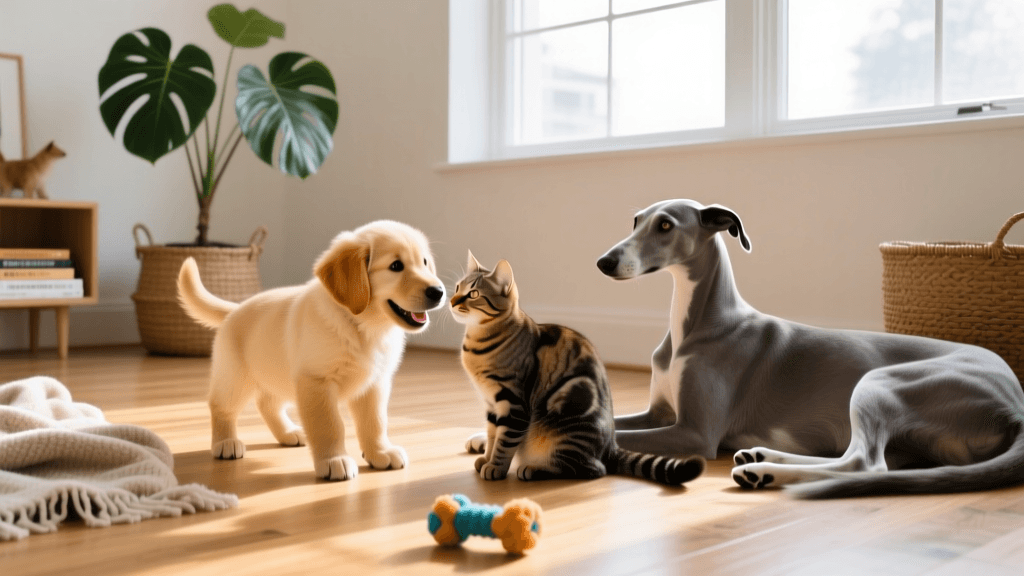
Raising a puppy while caring for an aging dog requires immense patience, vigilance, and proactive management. By prioritizing your senior dog's physical comfort and emotional peace, you are not only extending their quality of life but also teaching your new puppy valuable lessons about boundaries and respect. With structured introductions, safe zones, and separate routines, your puppy and senior dog can coexist beautifully, eventually forging a gentle, quiet companionship that will reward your family for years to come.
marcus-aldridge
All our authors care for dogs every day — read more of their work on the authors page.