Bonding With Your New Rescue Dog: First 30 Days Guide 2026
Discover how to build deep trust with your newly adopted rescue dog in 2026 using decompression walks, scent games, and cooperative care techniques.
The Modern 2026 Approach to Rescue Dog Bonding
Bringing a newly adopted rescue dog into your home is one of the most rewarding experiences in dog ownership, but it also requires a strategic, empathetic approach to relationship building. In 2026, the veterinary and behavioral science communities have firmly moved away from outdated 'forced socialization' and 'dominance' models. Today, certified behaviorists emphasize nervous system regulation, agency, and decompression as the foundational pillars of trust. According to the latest behavioral guidelines from the American Animal Hospital Association (AAHA), allowing a dog to process their environment at their own pace significantly reduces the risk of fear-based aggression and anxiety disorders later in life.
The first 30 days are critical. This period is often referred to as the decompression phase, where a dog transitions from the high-stress environment of a shelter or foster home to the unfamiliar sights, sounds, and smells of your house. Bonding during this time is not about forcing cuddles or overwhelming the dog with affection; it is about becoming a predictable, safe, and rewarding presence in their new world.
Setting Up the Ultimate Decompression Zone
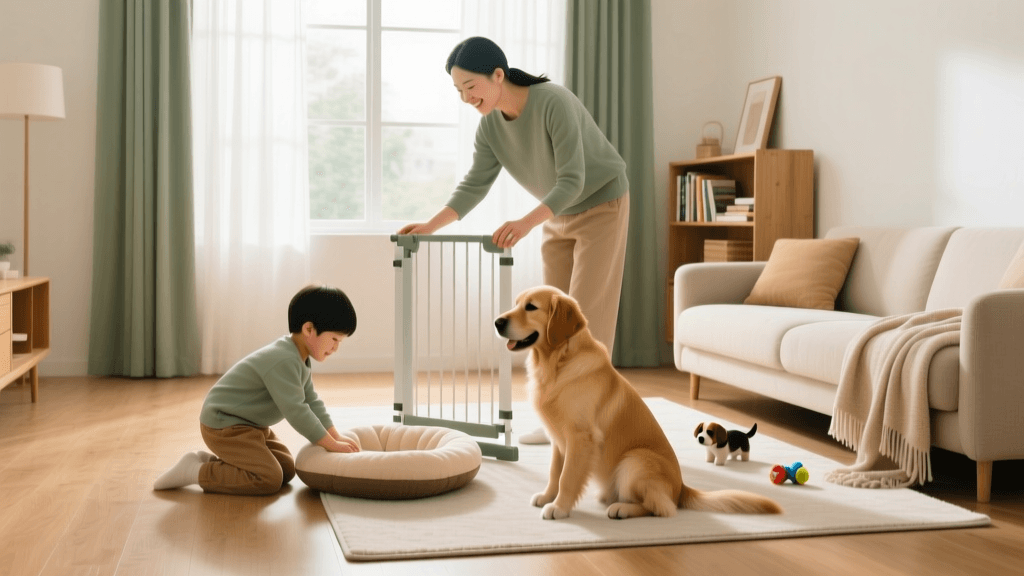
Before your new dog even crosses the threshold, you must prepare a dedicated decompression zone. This is a quiet, low-traffic area where your dog can retreat when they feel overwhelmed. In 2026, top canine enrichment experts recommend the following setup for optimal stress reduction:
- Space Dimensions: A gated area or large exercise pen (minimum 4x6 feet) placed in a quiet corner of a living room or spare bedroom.
- Acoustic Buffering: Use a white noise machine or play classical music specifically designed for canine auditory processing (such as 'Through a Dog's Ear' soundtracks) to mask startling household noises.
- Olfactory Anchoring: Place a worn t-shirt with your scent near their bed, alongside a calming pheromone diffuser like Adaptil, which mimics natural dog-appeasing pheromones.
- Visual Barriers: Use a snuffle mat or a covered crate to give the dog a 'cave' where they can observe the room without feeling exposed.
As noted by Best Friends Animal Society, providing a safe haven where the dog is never disturbed by children or other pets is the single most important step in the first 48 hours of adoption.
Week 1: The Decompression Phase (Days 1-7)
During the first week, your primary goal is to lower your dog's cortisol levels. Keep your expectations minimal. Your new dog may sleep up to 18 hours a day, refuse to eat, or hide in their decompression zone. This is entirely normal.
The Power of the 'Sniffari'
Instead of traditional, structured leash walks, engage in 'decompression walks' or 'Sniffaris.' Use a 15-foot biothane long line and a well-fitted Y-shaped harness (such as the Perfect Fit or Ruffwear Front Range). Allow the dog to dictate the pace and direction. Sniffing lowers a dog's heart rate and engages their parasympathetic nervous system. Let them sniff a single patch of grass for five minutes if they wish. This silent, pressure-free activity builds a subconscious association that your presence equals safety and exploration.
Hand-Feeding and Food Motivation
If your dog is highly food-motivated, use their daily kibble allowance for bonding. Sit quietly on the floor near their decompression zone and toss high-value treats (like freeze-dried chicken or beef liver) toward them. Do not force them to come to you. Let them bridge the gap. This technique, known as 'treat and retreat,' builds confidence without triggering the pressure of direct physical contact.
Week 2: Cooperative Care and Agency (Days 8-14)
As your dog begins to settle, you can introduce cooperative care techniques. Cooperative care is a revolutionary approach in 2026 that gives dogs a voice in their own handling, drastically improving trust between owner and pet. The ASPCA highly recommends force-free handling methods to prevent trauma during grooming and veterinary visits.
The Bucket Game
The Bucket Game, developed by veterinary behaviorist Chirag Patel, is an excellent way to teach your dog that they have control over their environment. Here is how to start:
- Place a small bucket or stool on the floor.
- Mark and reward (with a clicker or a verbal 'yes') any interaction with the bucket.
- Shape the behavior until the dog places their front paws on the bucket and focuses on you.
- Once the dog is holding the position, gently touch their shoulder. If they stay, reward. If they move away, stop immediately.
This teaches the dog that moving away makes the handling stop, giving them agency. When they realize they have an 'opt-out' button, their willingness to 'opt-in' to bonding and handling skyrockets.
Week 3: Scent Work and Brain Games (Days 15-21)
By the third week, your dog's true personality will begin to emerge. This is the perfect time to introduce structured enrichment that builds confidence and strengthens your bond. Scent work is universally accessible to all breeds and ages, and it tires a dog out just as much as a three-mile run.
DIY Scent Trails
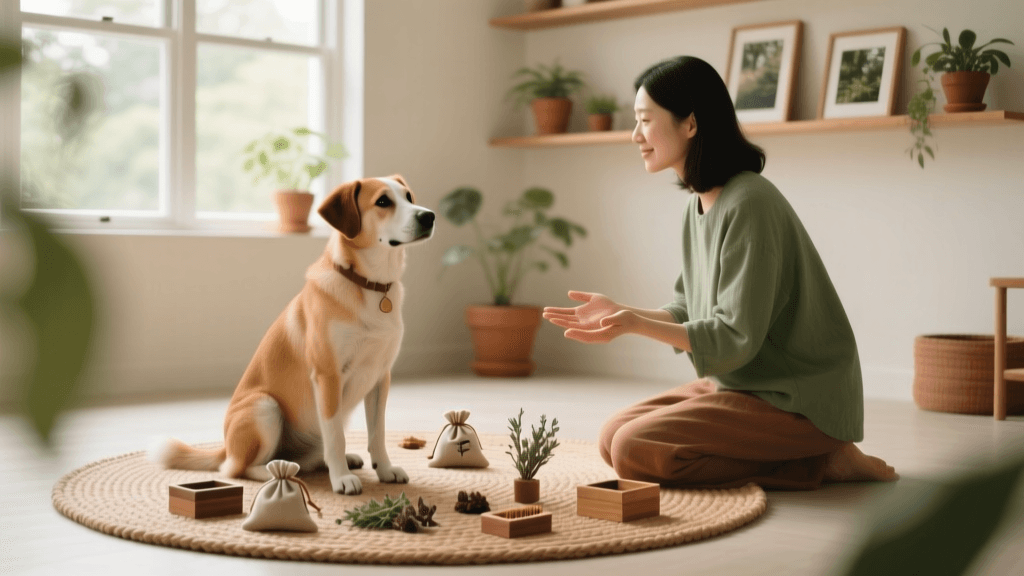
Hide strong-smelling treats (like pieces of hot dog or cheese) around your living room while your dog waits in another room. Release them with a cue like 'Find it!' Start with easy, visible placements and gradually move to hiding spots behind furniture legs or under rugs. This game builds a positive association with you as the provider of fun, engaging puzzles.
Interactive Puzzle Toys
Incorporate modern puzzle toys like the Nina Ottosson Dog Brick or the Outward Hound Hide-A-Squirrel. These toys require the dog to use their paws and nose to extract rewards. Sit nearby and offer calm, verbal encouragement. Your role shifts from a passive observer to an active cheerleader in their problem-solving journey.
Week 4: Establishing Routines and Boundaries (Days 22-30)
Predictability is the bedrock of trust. Dogs thrive on routine because it removes the anxiety of the unknown. By week four, you should have established a solid daily schedule for feeding, potty breaks, enrichment, and rest.
The 'Nothing in Life is Free' Protocol (Modernized)
While the old-school 'NILIF' protocol was sometimes used punitively, the 2026 modernized version is about structured engagement. Ask your dog for a simple behavior (like a 'sit' or a 'hand target') before providing something they value, such as opening the door for a walk or placing their food bowl down. This isn't about dominance; it is about clear, predictable communication. It teaches the dog that engaging with you yields positive outcomes, reinforcing your bond through mutual understanding.
30-Day Bonding & Trust Building Timeline
| Phase | Timeframe | Primary Goal | Key Activities |
|---|---|---|---|
| Decompression | Days 1-7 | Lower cortisol, establish safety | Sniffaris, treat-and-retreat, quiet decompression zone |
| Agency | Days 8-14 | Build confidence through choice | Cooperative care (Bucket Game), consent testing for petting |
| Engagement | Days 15-21 | Mental stimulation and teamwork | Scent trails, puzzle toys, hand-feeding meals |
| Predictability | Days 22-30 | Solidify routine and communication | Structured feeding, cue-based door opening, consistent sleep schedules |
Common Bonding Mistakes to Avoid in 2026
Even with the best intentions, new owners can inadvertently damage the bonding process. Avoid these common pitfalls:
- Over-Socialization: Dragging your new rescue dog to a busy farmer's market or dog park in the first week will flood their nervous system. Keep their world small and manageable.
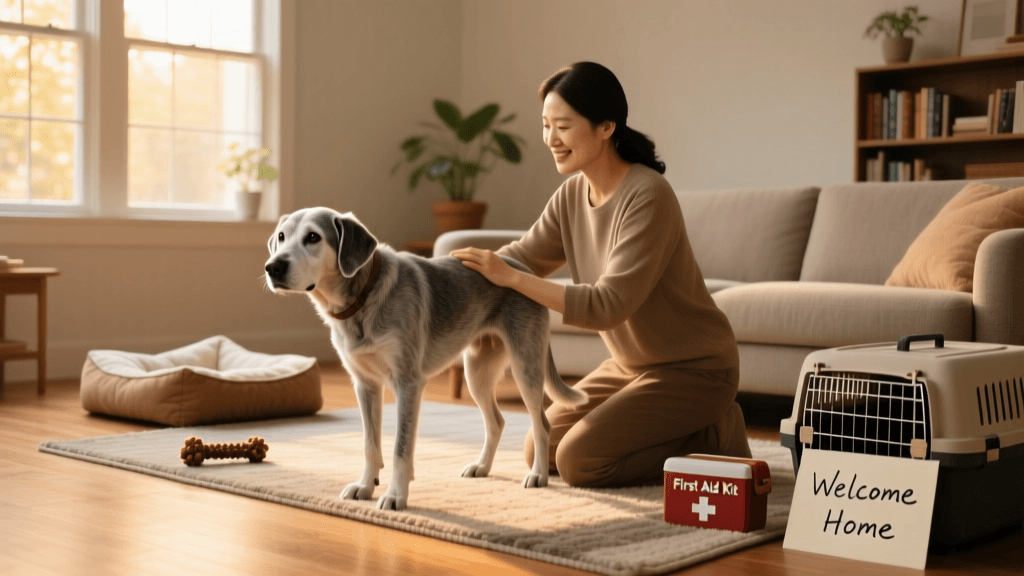
- Forcing Physical Affection: Hugging or leaning over a dog is often perceived as threatening in canine body language. Let the dog initiate contact, and pet them on the chest or shoulders rather than the top of the head.
- Inconsistent Rules: If the dog is not allowed on the couch, allowing them up just once because they look 'sad' creates confusion and anxiety. Clear, consistent boundaries make dogs feel secure.
Conclusion
Bonding with a newly adopted rescue dog is not a sprint; it is a marathon of patience, empathy, and intentional communication. By utilizing modern 2026 techniques like decompression walks, cooperative care, and scent-based enrichment, you are not just training a dog—you are building a profound, lifelong partnership based on mutual trust and respect. Give your new companion the grace and time they need to adjust, and you will be rewarded with an unbreakable bond that will last for years to come.
anouk-beaumont
All our authors care for dogs every day — read more of their work on the authors page.