Adopting a Senior Dog: Home Prep, Costs, and First Days
Discover how to prepare your home for a senior dog. Learn about essential supplies, expected costs, and first-day tips for older dog adoptions.
Embracing the Golden Years: Why Adopt a Senior Dog?
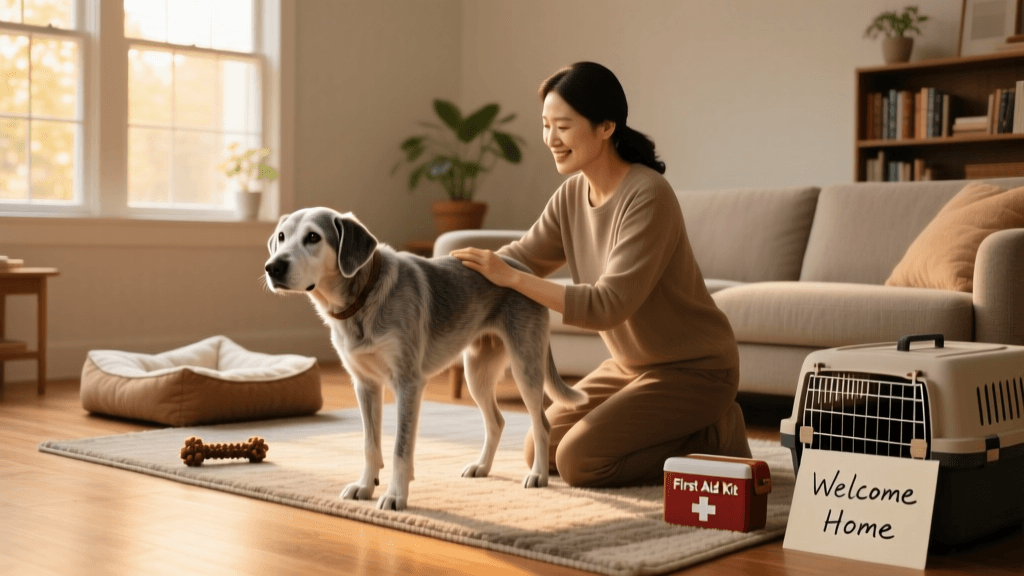
When most people visit a shelter or browse rescue websites, their eyes naturally gravitate toward the tumbling, energetic puppies. However, there is a profound, often overlooked joy in adopting a senior dog. Generally defined as canines over the age of seven—though this varies by breed and size—senior dogs offer a unique companionship experience that perfectly suits many households. According to The Grey Muzzle Organization, senior dogs are consistently among the most at-risk populations in shelters, yet they make incredibly grateful, loving companions.
From a life-stage care perspective, bringing an older dog into your home requires a different preparation strategy than bringing home a puppy. You are bypassing the chewing, intense potty training, and boundless midnight energy. Instead, you are stepping into a role that prioritizes comfort, mobility management, and gentle routine. This guide will walk you through exactly how to prepare your home, the financial investments required, and how to navigate the critical first 48 hours with your new aging friend.
Preparing Your Home for an Aging Canine
Before your senior dog ever crosses the threshold, your home must be optimized for a body that has experienced years of wear and tear. Arthritis, decreased vision, and reduced muscle mass are common in older dogs, meaning your environment must be proactive in preventing slips and falls.
Flooring and Traction
Hardwood and tile floors are notoriously dangerous for senior dogs, particularly large breeds prone to hip dysplasia. A single slip can result in a torn cruciate ligament or a fractured hip, leading to expensive surgeries and a diminished quality of life. Invest in non-slip area rugs or interlocking foam mats for high-traffic zones and areas where your dog will eat or sleep. Look for rugs with rubber backing, such as the Gorilla Grip bath mats, which can be cut to size and placed in front of doors and water bowls. Additionally, if your home has multiple levels, consider installing baby gates at the top and bottom of staircases. Navigating stairs can be terrifying and physically damaging for a dog with declining vision or rear-end weakness, so restricting access to a single, safe floor is often the most compassionate choice.
Accessibility and Elevation
Jumping onto furniture or into vehicles can cause severe joint strain. If your senior dog is accustomed to sleeping on the bed or couch, purchase a sturdy pet ramp or pet stairs. The ideal ramp should have a gentle incline (between 18 and 22 degrees) and a textured, high-traction surface. For vehicle entry, consider a telescoping ramp like the PetSafe Happy Ride, which supports up to 400 pounds and reduces the jarring impact of jumping out of an SUV.
Orthopedic Resting Zones
Standard plush beds do not provide the structural support an aging dog needs. You must invest in a high-quality orthopedic bed made from high-density memory foam or therapeutic support foam. Brands like Big Barker offer beds specifically calibrated to prevent joints from sinking through to the hard floor, which is crucial for preventing morning stiffness and pressure sores on bony prominences like elbows and hocks.
Essential Supplies and Estimated Setup Costs
Adopting a senior dog involves specific upfront investments to ensure their safety and comfort. Below is a breakdown of the essential life-stage supplies you should acquire before adoption day.
| Supply Category | Specific Item / Recommendation | Purpose & Life-Stage Benefit | Estimated Cost |
|---|---|---|---|
| Sleeping | High-Density Orthopedic Bed (e.g., Big Barker or Furhaven) | Prevents pressure sores; supports arthritic joints. | $120 - $300 |
| Mobility | Telescoping Pet Ramp (e.g., PetSafe Happy Ride) | Eliminates joint impact from jumping into vehicles or beds. | $70 - $150 |
| Safety | Non-Slip Runner Rugs / Foam Mats | Provides traction on hardwood floors to prevent hip splaying. | $40 - $100 |
| Dining | Adjustable Raised Feeder Stand | Reduces neck and spine strain during meals. | $25 - $60 |
| Health | Glucosamine & Chondroitin Joint Supplement | Supports cartilage health and reduces joint inflammation. | $30 - $50 |
| Comfort | Orthopedic Dog Boots / Grip Socks | Protects paws and provides indoor traction if rugs are insufficient. | $20 - $45 |
Note: Costs are approximate and vary based on the size of the dog and the brand selected. Always consult your veterinarian before introducing new joint supplements to ensure they do not interact with existing medications.
The First 48 Hours: Decompression and Routine
The transition from a shelter to a home is overwhelming for any dog, but for a senior dog, the stress can manifest physically through gastrointestinal upset, lethargy, or a temporary loss of housetraining. The ASPCA emphasizes that senior dogs require a calm, predictable environment to acclimate successfully.
Implement the 3-3-3 Rule (Senior Adaptation)
- First 3 Days (Decompression): Expect your dog to sleep heavily or hide. Keep their world incredibly small—limit access to a single, comfortable room with their bed, water, and a nearby potty exit. Avoid introducing them to neighborhood dogs or hosting welcome parties. Let them process the sensory shift.
- First 3 Weeks (Settling): Your dog will begin to learn your routine. Establish strict, consistent times for meals, gentle walks, and potty breaks. Older dogs thrive on predictability; knowing exactly when they will be fed and walked reduces cognitive anxiety.
- First 3 Months (Bonding): True personality and attachment emerge. You can slowly begin expanding their walking routes and introducing them to trusted friends.
Potty Protocol for Older Bladders
Even if a senior dog was fully house-trained in their previous home, the stress of relocation can cause accidents. Furthermore, aging kidneys and bladders simply cannot hold urine as long as they used to. Plan to take your new dog outside every 3 to 4 hours during the day, including a late-night potty break right before you go to sleep. Use positive reinforcement and high-value treats (like small pieces of boiled chicken) to reward successful outdoor elimination.
Veterinary Baseline and Nutritional Planning
Within the first week of adoption, schedule a comprehensive senior wellness exam. The American Kennel Club (AKC) recommends that senior dogs undergo veterinary evaluations every six months, as their health status can change rapidly. Ask your veterinarian for a complete blood count (CBC), a comprehensive chemistry panel, a urinalysis, and a thyroid check. This baseline data is invaluable for catching early signs of kidney disease, diabetes, or hypothyroidism. Furthermore, discuss dental health during this visit. Many senior dogs arrive in rescue with advanced periodontal disease, which can silently damage their heart and kidneys. A professional dental cleaning under anesthesia may be necessary, and your vet will run pre-anesthetic bloodwork to ensure their liver and kidneys can safely process the medications.
Adjusting the Diet
Senior dogs generally have slower metabolisms and less muscle mass, meaning they require fewer calories to prevent obesity, which exacerbates joint pain. However, they need highly digestible proteins to maintain muscle tone. Transition your new dog to a high-quality senior-specific diet over the course of 7 to 10 days to avoid digestive distress. Look for diets enriched with Omega-3 fatty acids (EPA and DHA) to support joint and cognitive health.
Cognitive Enrichment and Emotional Well-being
Physical limitations do not mean your senior dog's brain is ready to retire. Canine Cognitive Dysfunction (CCD) is a reality for many aging dogs, akin to dementia in humans. You can stave off cognitive decline by providing low-impact mental enrichment.
Mental stimulation is just as tiring for a senior dog as a long physical walk, but without the damaging impact on their aging joints. Snuffle mats, lick mats, and gentle sniffaris are excellent tools for keeping an older dog's mind sharp.
Instead of a fast-paced game of fetch, take your dog on a sniffari—a slow, meandering walk where the primary goal is allowing the dog to sniff every bush, tree, and blade of grass. Sniffing lowers a dog's heart rate and provides immense mental satisfaction. Inside the home, use a snuffle mat or puzzle toys that require them to use their nose to find kibble, keeping their neural pathways active and engaged.
Final Thoughts on the Senior Adoption Journey
Choosing to adopt a senior dog is an act of profound empathy and love. While the financial and physical preparations are distinct from puppy-rearing, the reward is a deep, quiet, and profoundly grateful bond. By optimizing your home for mobility, preparing for their specific veterinary needs, and giving them the grace and time to decompress, you are providing a sanctuary for a dog that needs it most. The golden years can truly be the best years, for both you and your new companion.
tom-renshaw
All our authors care for dogs every day — read more of their work on the authors page.