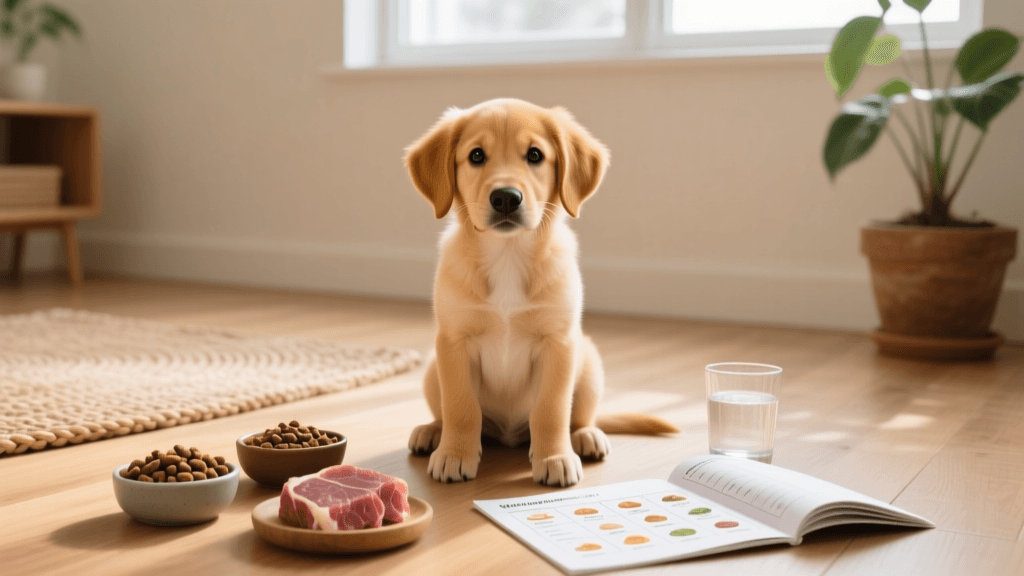
How to Prepare Your Home and Kids for a New Family Dog
Learn how to prepare your home and young children for a new family dog with essential safety tips, baby gate recommendations, and structured routines.

Why Preparation is Crucial for Families with Children
Bringing a new dog into a household with children is a magical milestone that promises years of companionship, outdoor adventures, and valuable life lessons for your kids. However, the transition from a child-free or child-centric home to a multi-species household requires deliberate planning. Without proper preparation, the excitement of a new puppy or rescue dog can quickly turn into chaos, leading to stress for the animal and potential safety risks for your children.
According to the American Academy of Pediatrics, growing up with pets can help children develop empathy, responsibility, and even boost their immune systems. However, the AAP also strongly emphasizes that no child under the age of five should ever be left alone with a dog, and that establishing physical boundaries and behavioral rules before the dog arrives is the most critical step in ensuring a harmonious household.
This guide will walk you through the exact measurements, product recommendations, and behavioral strategies you need to implement before your new family dog crosses the threshold.
Setting Up Physical Boundaries and Safe Zones
Dogs, especially those adjusting to a new environment or those with high energy levels, need clear physical boundaries. For families with toddlers and young children, baby gates are your first line of defense. They allow the dog to see and smell the family without having direct, unregulated access to small children or off-limits rooms.
Choosing the Right Baby Gates
Not all baby gates are created equal, and selecting the wrong type can lead to accidents. You will need two types of gates for a standard family home:
- Hardware-Mounted Gates: These screw directly into the wall studs or door frames. They are absolutely mandatory for the top and bottom of staircases. A dog leaning against a pressure gate at the top of the stairs can dislodge it, leading to catastrophic falls for both the dog and a toddler. Look for gates that are at least 30 inches tall to prevent medium-to-large breeds from jumping over them.
- Pressure-Mounted Gates: These use tension rods to stay in place and are ideal for flat doorways, such as blocking off a home office, a laundry room, or a child’s bedroom. They are easily removable and leave no holes in the trim.
Measurement Tip: Standard interior doorways range from 28 to 32 inches wide, but always measure your specific trim from baseboard to baseboard. If your baseboards are thick, you may need to purchase wall spacers (usually around $10 for a pack of four) to ensure the top and bottom of the pressure gate align perfectly.
Essential Gear for Families with Kids and Dogs
To set your family up for success, you will need specific gear that caters to both child safety and canine comfort. Below is a breakdown of the essential items, their purposes, and estimated costs.
| Item | Purpose | Recommended Specs / Brands | Estimated Cost |
|---|---|---|---|
| Hardware-Mounted Gate | Block stairways and high-risk zones | Regalo Easy Step Walk Thru (30" tall) | $40 - $55 |
| Pressure-Mounted Gate | Block doorways and low-risk rooms | Carlson Pet Products Mini Gate with Pet Door | $30 - $45 |
| Wire Dog Crate | Safe sleeping and decompression zone | MidWest Homes for Pets iCrate (36" L x 24" W for medium dogs) | $60 - $85 |
| Enzymatic Cleaner | Eliminate organic odors and stains | Nature's Miracle Advanced Stain & Odor Eliminator (32 oz) | $12 - $18 |
| Wall Tether Anchor | Secure dog in common area for supervised interaction | Heavy-duty stainless steel wall tie-out | $15 - $25 |
Creating the "Safe Haven" Crate Space
The Humane Society of the United States strongly advocates for providing dogs with a designated retreat where they can escape the noise and unpredictable movements of children. A wire crate is the best option for this because it allows the dog to observe the room while remaining physically separated.
Place the crate in a low-traffic corner of the family room or living room. Cover the top and two sides with a breathable cotton blanket to create a "den" atmosphere. Establish a strict household rule: The crate is the dog’s bedroom. Children are never allowed to reach into the crate, throw toys into it, or disturb the dog when it is inside. If the dog is in the crate, it is invisible to the kids. This single rule will prevent the majority of dog bites that occur when children corner or startle a resting animal.
Teaching Children Safe Interaction: The "Pet, Pet, Pause" Method
Children naturally want to hug, squeeze, and lean over dogs. While this shows affection, canine body language interprets leaning over and tight hugging as threatening or dominant behavior. The American Kennel Club recommends teaching children how to read basic canine stress signals, such as lip licking, yawning, "whale eye" (showing the whites of the eyes), and stiffening.
Before the dog arrives, use a realistic stuffed animal to teach your children the "Pet, Pet, Pause" consent test:
- Ask: The child must ask the owner (you) if it is okay to pet the dog, and then invite the dog over by patting their leg. Never let a child chase a dog to pet it.
- Pet, Pet: The child strokes the dog gently on the shoulder or chest (never over the head) three times.
- Pause: The child pulls their hand back and waits for three seconds.
- Observe: If the dog leans in, nudges the hand, or wags softly, the dog is consenting to more affection. If the dog looks away, takes a step back, or licks its lips, the interaction is over.
Practicing this with a toy builds muscle memory, ensuring your child does not overwhelm the new dog on day one.
The First 48 Hours: A Family Timeline
The initial two days will set the tone for your dog’s integration into the family. Stick to this structured timeline to minimize overstimulation.
Day 1: Arrival and Decompression
- Morning (Pre-Arrival): Install all baby gates, set up the crate, and put away small children’s toys that could be chewed or swallowed. Spray high-traffic carpet areas with an enzymatic cleaner to remove lingering odors that might trigger marking.
- Afternoon (The Entrance): Bring the dog into the house on a leash. Have the children seated on the couch rather than running around. Allow the dog to sniff the children’s shoes and legs without making direct eye contact. Keep the initial greeting under five minutes.
- Evening (The First Night): Feed the dog in the crate or behind a gate. Children should engage in quiet activities (like reading or coloring) in the same room, but separated by the gate, allowing the dog to acclimate to their presence without physical interaction.
Day 2: Establishing Routines
- Morning: Take the dog out for a long sniff-walk before the children wake up. A tired dog is a patient dog.
- Mid-Day: Introduce the wall tether anchor in the living room. Clip the dog’s leash to the tether and give them a long-lasting chew toy (like a frozen Kong). Allow the kids to sit nearby and read a book to the dog. This builds positive, calm associations.
- Evening: Practice the "Pet, Pet, Pause" method for the first time with the real dog, keeping sessions to under two minutes.
Managing Messes and Hygiene Safely
Accidents are inevitable, especially with puppies or rescue dogs adjusting to a new schedule. When a dog has an accident in the house, it is crucial to keep children away from the area until it is fully sanitized. Standard household cleaners do not break down the uric acid crystals in dog urine, which means the dog will continue to smell the scent marker and return to the same spot.
Invest in a high-quality enzymatic cleaner like Nature's Miracle Advanced Stain & Odor Eliminator (approximately $15 for a 32 oz bottle). Saturate the area, let it sit for 10 minutes, and blot it dry. Block the area with a pressure-mounted gate or a piece of furniture until the carpet is completely dry to prevent toddlers from crawling in the damp spot.
Final Thoughts on Patience and Supervision
Preparing your home and your children for a new dog is an investment in safety and harmony. By utilizing hardware-mounted gates, enforcing crate rules, and teaching your children how to respectfully interact with animals, you are laying the groundwork for a beautiful, lifelong bond. Remember that supervision is not just about watching; it is about actively guiding the interactions between your children and your new best friend until mutual trust is fully established.
anouk-beaumont
All our authors care for dogs every day — read more of their work on the authors page.