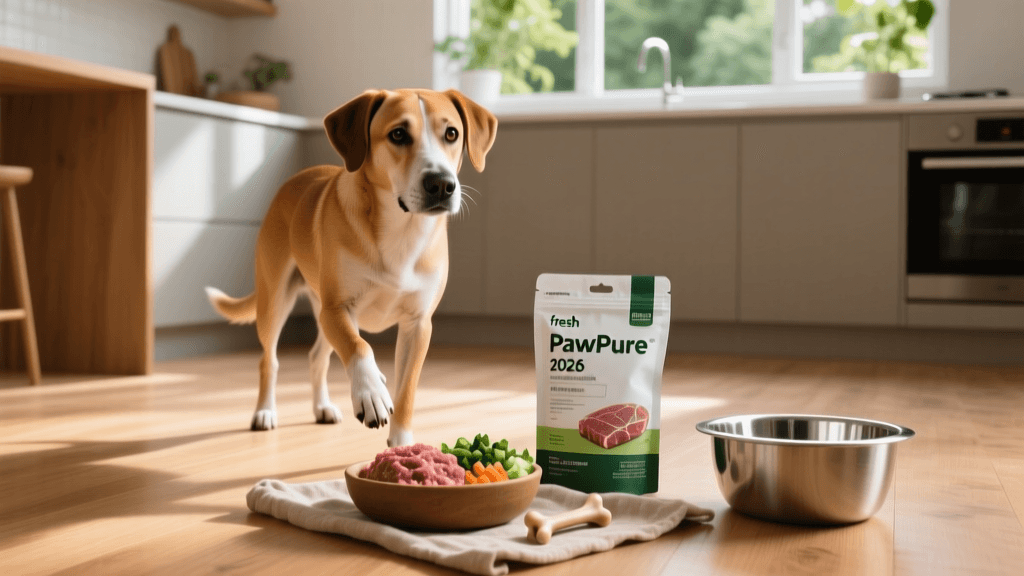
Raw & Fresh Diet Transition Plan for Rescue Dogs 2026
Discover the ultimate 2026 guide to safely transitioning your newly adopted rescue dog to a balanced raw or fresh commercial diet with expert protocols.
Bringing Home a Rescue: The 2026 Fresh Diet Revolution
Adopting a rescue dog is one of the most rewarding experiences a pet parent can have. However, the first few weeks in a new home are a critical window for decompression, behavioral adjustment, and nutritional stabilization. As of 2026, the landscape of canine nutrition has shifted dramatically, with a massive surge in owners opting for raw, fresh, and alternative diets over traditional ultra-processed kibble. While the benefits of a species-appropriate fresh diet—including improved coat quality, better digestion, and sustained lean muscle mass—are well documented, transitioning a newly adopted rescue dog requires a strategic, science-backed approach.
Rescue dogs often arrive with compromised gut biomes due to shelter stress, inconsistent feeding schedules, and previous dietary indiscretions. Rushing into a 100% raw or fresh diet on day one is a common mistake that can lead to severe gastrointestinal upset. This comprehensive 2026 guide will walk you through the safest, most effective methods for transitioning your new companion to a fresh or raw diet, ensuring their microbiome adapts smoothly to their new, nutrient-dense lifestyle.
The 2026 Fresh Diet Landscape: Commercial vs. DIY
The alternative pet food industry has matured significantly. In 2026, High-Pressure Processing (HPP) technology has become the gold standard for commercial raw foods, effectively neutralizing pathogens like Salmonella and Listeria without applying heat, thereby preserving the natural enzymes and nutrients of the raw ingredients. Furthermore, gently cooked fresh food brands have optimized their macronutrient profiles to meet the latest World Small Animal Veterinary Association (WSAVA) guidelines, making them safer and more digestible for dogs with sensitive stomachs.
When setting up your rescue dog's diet, you generally have three paths: Commercial Fresh (gently cooked), Commercial Raw (HPP treated), or DIY Raw (home-prepared). Below is a comparative analysis of these options for a standard 30-pound adult rescue dog in 2026.
| Diet Type | Prep Time | Est. Monthly Cost (30lb Dog) | Safety Profile | Nutritional Completeness |
|---|---|---|---|---|
| Commercial Fresh (Cooked) | Minimal (Thaw & Serve) | $110 - $140 | High (Pathogens eliminated via heat) | 100% AAFCO Compliant |
| Commercial Raw (HPP) | Minimal (Thaw & Serve) | $90 - $130 | High (Pathogens neutralized via pressure) | 100% AAFCO Compliant |
| DIY Raw (80/10/10 Model) | High (Sourcing, weighing, supplementing) | $60 - $100 | Moderate (Requires strict kitchen hygiene) | Variable (Requires precise formulation) |
Expert Insight: For newly adopted rescue dogs with unknown medical histories, veterinary nutritionists in 2026 overwhelmingly recommend starting with a Commercial Fresh (gently cooked) diet before attempting a DIY raw regimen. This eliminates the guesswork of nutritional balancing while the dog's digestive tract heals from shelter stress.
The 14-Day Rescue Transition Protocol
A successful transition hinges on patience. The canine gastrointestinal tract needs time to produce the specific enzymes required to break down raw proteins and bones, which differ vastly from the starches found in kibble. Follow this 14-day protocol to ensure a smooth changeover.
Phase 1: Decompression and Gut Support (Days 1–4)
When you first bring your rescue home, keep them on the exact food they were eating at the shelter or foster home. The stress of relocation causes a spike in cortisol, which directly inhibits digestive efficiency. During these first four days, focus on gut support rather than diet switching.
- Action: Feed their current kibble or wet food.
- Addition: Introduce a high-quality canine bone broth (sodium-free, onion/garlic-free) poured over their meals to increase hydration and provide natural collagen for gut lining repair.
- Supplement: Add a multi-strain canine probiotic containing Saccharomyces boulardii, a beneficial yeast proven to stabilize stools during periods of stress and dietary change.
Phase 2: The 25% Introduction (Days 5–9)
Once your dog has settled into their new environment and their stool is firm, begin introducing the fresh or raw diet.
- Action: Replace 25% of their daily caloric intake with the new fresh/raw food. For a 30lb dog eating roughly 1.5 lbs of food daily, this means mixing in about 6 ounces of fresh food.
- Observation: Monitor stool quality closely. A slight softening is normal, but if you see mucus or diarrhea, pause the transition and maintain the 25% ratio for an additional three days.
Phase 3: The 50% to 75% Escalation (Days 10–12)
If the dog is tolerating the 25% mix well, increase the fresh food ratio.
- Day 10 & 11: Feed a 50/50 split of old food and new fresh food.
- Day 12: Increase to 75% fresh food and 25% old food.
- Tip: If transitioning to a raw diet that includes raw meaty bones, do not introduce bones during this phase. Stick to ground raw formulations or gently cooked fresh food until the stomach acid has sufficiently lowered its pH to handle bone matter.
Phase 4: 100% Fresh and Raw (Days 13–14)
By day 13, you can fully eliminate the old shelter food. Your rescue dog is now officially on a fresh or raw diet. Continue to monitor their weight, energy levels, and stool quality over the next 30 days, adjusting portion sizes based on their body condition score.
Monitoring Stool Quality and Digestive Health
One of the most immediate changes you will notice when transitioning a rescue dog to a raw or fresh diet in 2026 is the alteration in their waste. Because fresh diets are highly bioavailable and contain fewer indigestible fillers like corn or wheat, the dog's body absorbs more nutrients. This results in significantly smaller, firmer, and less odorous stools. However, during the transition, you must be vigilant.
Use the 1-to-10 canine fecal scoring system. A perfect score is a 3 or 4: firm, moist, and easy to pick up. If your dog's stool drops to a 6 or 7 (soft, unformed, or liquid), you have progressed too quickly. Scale back the fresh food percentage by 10%, introduce a bland meal of boiled chicken breast and pureed pumpkin, and allow the microbiome to catch up. According to Cornell University's Companion Animal Nutrition Support Service, sudden dietary shifts are the leading cause of acute gastroenteritis in newly adopted dogs, making a slow, measured transition absolutely vital.
Essential 2026 Supplements for Raw and Fresh Diets
Even the most meticulously formulated commercial fresh diets can benefit from targeted supplementation, especially for rescue dogs recovering from nutritional deficits. In 2026, veterinary nutritionists emphasize the following additions:
- Omega-3 Fatty Acids (EPA/DHA): Crucial for reducing systemic inflammation caused by shelter stress and supporting joint health. Opt for triglyceride-form fish oil derived from wild-caught sardines or anchovies, as they have lower heavy metal risks.
- Vitamin E: High-fat raw and fresh diets require adequate Vitamin E to prevent oxidative stress and lipid peroxidation in the body. Ensure your supplement provides mixed tocopherols.
- Phytonutrient Blends: Since dogs in the wild consume the stomach contents of their prey (which includes fermented plant matter), adding a canine-specific green blend containing spirulina, kelp, and wheatgrass can provide essential trace minerals and iodine.
Hygiene and Safe Handling Protocols
Feeding a raw or fresh diet requires a higher standard of kitchen hygiene compared to pouring kibble into a bowl. The FDA's guidance on raw pet food diets explicitly warns that raw meat can harbor dangerous bacteria such as Salmonella, E. coli, and Campylobacter, which pose risks not only to the dog but to the human handlers, particularly those who are immunocompromised.
To maintain a safe environment in 2026, implement the following handling protocols:
- Dedicated Prep Zones: Use a specific cutting board and set of utensils exclusively for your dog's raw meals. Never use these tools for human food preparation.
- Sanitization: Wash all bowls, prep surfaces, and your hands with hot, soapy water immediately after feeding. For a deeper clean, use a diluted bleach solution (1 tablespoon of bleach per gallon of water) on stainless steel bowls and countertops once a week.
- Safe Thawing: Never thaw raw dog food on the kitchen counter at room temperature. Always thaw frozen patties or tubes in the refrigerator on a dedicated bottom shelf to prevent cross-contamination from dripping juices. Alternatively, use the cold-water submersion method if you need to thaw food quickly.
- Bowl Selection: Ditch porous plastic bowls, which harbor microscopic scratches that trap bacteria. Opt for high-grade stainless steel or ceramic bowls, which are easily sanitized and dishwasher safe.
Furthermore, the CDC's recommendations on pet food safety advise against allowing dogs to lick your face or hands immediately after consuming a raw meal, as their saliva can temporarily carry pathogens from the raw meat. Establishing a "post-meal wipe down" routine with pet-safe antibacterial wipes for your dog's muzzle is a simple, effective habit to adopt.
Conclusion: Setting Your Rescue Up for Lifelong Vitality
Transitioning a newly adopted rescue dog to a raw or fresh diet is a profound step toward optimizing their long-term health, vitality, and immune function. By respecting the 14-day transition protocol, leveraging the safety advancements of 2026 commercial fresh foods, and adhering to strict hygiene standards, you are providing your new companion with the absolute best foundation for a thriving life. Remember that every dog is an individual; listen to their body, adjust the pace of the transition as needed, and consult with a board-certified veterinary nutritionist if your rescue has specific medical conditions or severe food sensitivities. Welcome to the fresh food revolution—your rescue dog's health will thank you for it.
beth-carrasco
All our authors care for dogs every day — read more of their work on the authors page.