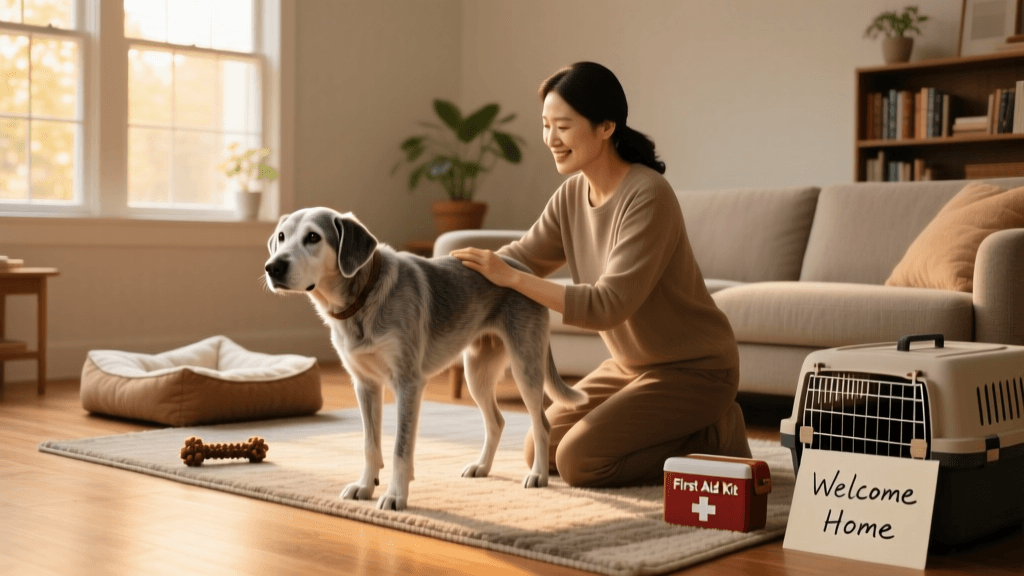
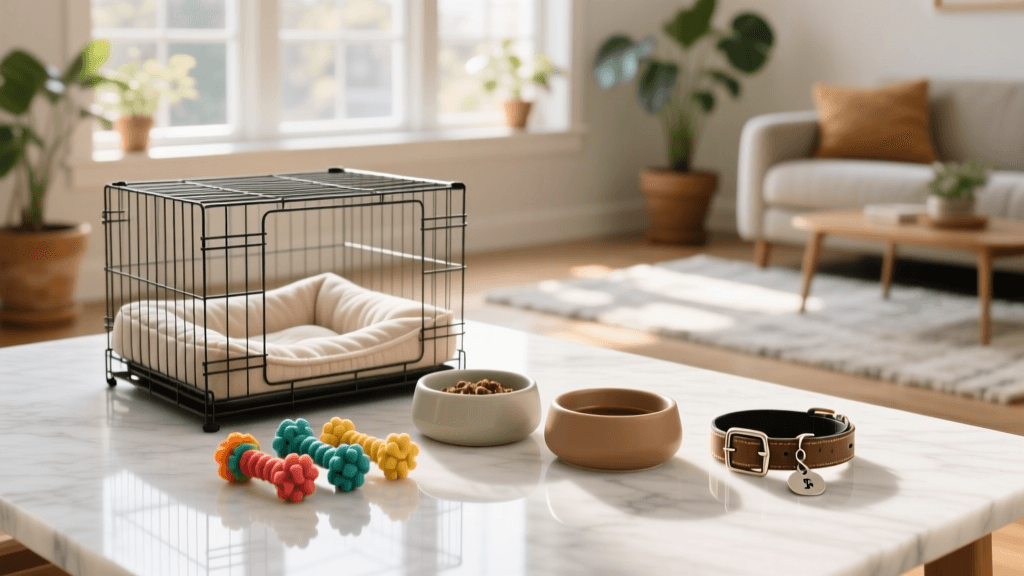
Getting a Senior Dog: Preparation, Costs, and First-Day Tips
Learn what to expect when getting a senior dog. Discover preparation tips, expected medical costs, and first-day essentials for older canine adoptions.
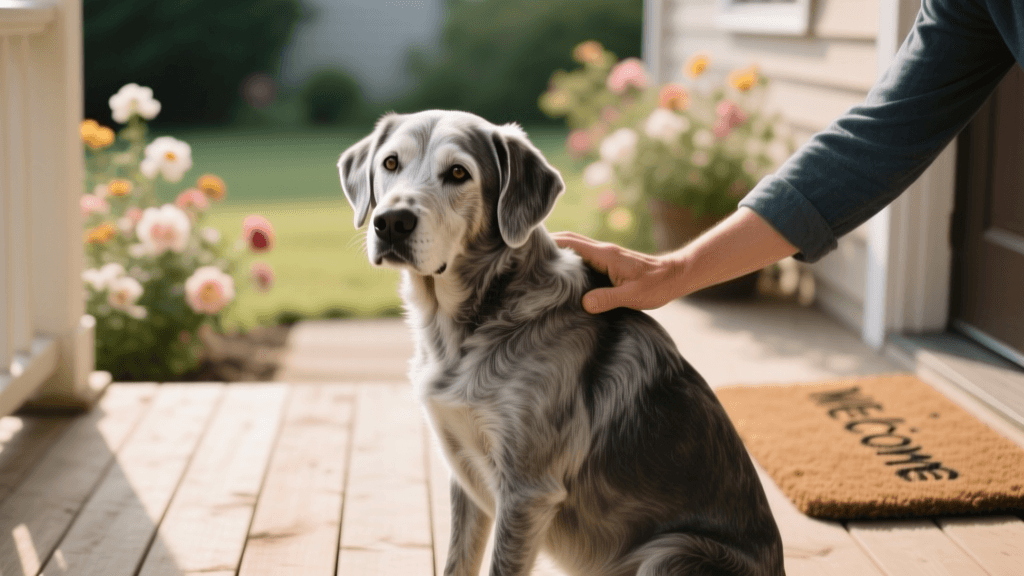
Bringing a new dog into your home is a momentous occasion filled with excitement, new routines, and a lifetime of companionship. While puppies often steal the spotlight in adoption centers and breeder waitlists, there is a profoundly rewarding alternative that many prospective pet parents overlook: the senior dog. Adopting an older dog is not merely an act of charity; it is a deliberate choice to welcome a canine with a known personality, established manners, and a deep capacity for gratitude into your life. As part of our Life Stage Care Guides, this comprehensive resource will walk you through the unique considerations, financial realities, and home preparations required when getting a senior dog.
The Unique Appeal of the Senior Life Stage
When we talk about "getting a dog," the conversation frequently defaults to the sleepless nights and rigorous potty training associated with puppies. However, the senior life stage—typically encompassing dogs aged seven and older—offers a distinctly different, yet equally fulfilling, experience. Senior dogs have generally outgrown the destructive chewing phase, possess longer attention spans, and often come with foundational obedience training. For individuals with a quieter lifestyle, busy professionals, or retirees, an older dog provides immediate companionship without the exhausting physical demands of raising a puppy. Furthermore, adopting a senior dog from a shelter or rescue organization literally saves a life, as older canines are statistically the most vulnerable population in animal shelters.
Defining "Senior": Age and Breed Considerations
The term "senior" is not a one-size-fits-all designation. According to the American Veterinary Medical Association (AVMA), the aging process in dogs is heavily influenced by their size and breed. Small breeds, such as Chihuahuas and Toy Poodles, may not be considered seniors until they reach 10 to 12 years of age. Conversely, giant breeds like Great Danes and Saint Bernards can enter their senior years as early as five or six years old. Understanding your prospective dog's breed-specific aging timeline is crucial for anticipating their medical and lifestyle needs. When reviewing adoption profiles, look beyond the chronological age and focus on the dog's mobility, energy levels, and veterinary history to gauge their true biological age.
Preparing Your Home: Accessibility and Comfort
Before bringing your senior dog home, you must evaluate your living space through the lens of an aging canine. Arthritis, diminished vision, and decreased muscle mass are common hallmarks of the senior life stage. Making proactive modifications to your home will prevent injuries and reduce anxiety during the transition period.
Essential Home Modifications and Products
- Orthopedic Bedding: Invest in a high-quality, supportive bed. Products like the Big Barker 7-inch Orthopedic Dog Bed or the Furhaven Therapeutic Gel Memory Foam Bed provide crucial joint support, preventing pressure sores and alleviating hip dysplasia pain.
- Pet Ramps and Stairs: Jumping on and off furniture can cause catastrophic spinal or ligament injuries in older dogs. Utilize ramps with a gentle incline (ideally a 1:3 ratio) or foam-pet stairs near beds and couches. The PetSafe Happy Ride Folding Pet Ramp is an excellent, lightweight option for home and vehicle use.
- Traction Solutions: Hardwood and tile floors are notoriously slippery for dogs with weakened hindquarters. Lay down non-slip rugs or apply adhesive paw-traction mats in high-traffic areas and near their water bowls to prevent painful splay-leg falls.
- Enhanced Lighting: As dogs age, their night vision and overall ocular health can decline due to conditions like nuclear sclerosis or cataracts. Install motion-sensor nightlights in hallways and near their designated potty area to help them navigate safely after dark.
- Elevated Bowls: To reduce neck strain and aid in digestion, provide elevated food and water bowls. Ensure the bowl stand is positioned at your dog's lower chest level so they do not have to bend down awkwardly.
Financial Planning: Puppy vs. Senior Dog Costs
A common misconception is that senior dogs are inherently more expensive to own due to veterinary bills. While it is true that older dogs may require more frequent medical monitoring, getting a puppy carries a massive upfront financial burden that is often underestimated. Below is a comparative breakdown of the anticipated first-year costs.
| Expense Category | Puppy (Year 1) | Senior Dog (Year 1) |
|---|---|---|
| Spay/Neuter & Initial Vaccines | $200 - $600 | $0 - $150 (Often pre-done) |
| Chew Toys & Destructive Damage | $150 - $500 | $20 - $75 |
| Orthopedic Bedding & Ramps | $0 - $50 | $150 - $400 |
| Senior Bloodwork & Joint Supplements | $0 - $100 | $200 - $600 |
| Obedience & Socialization Classes | $150 - $400 | $0 - $100 |
As the data illustrates, while you may save hundreds on initial sterilization, puppy vaccines, and destructive damage replacement, you will reallocate those funds toward comfort items, joint supplements (like Dasuquin or Cosequin), and comprehensive senior blood panels. Setting up a dedicated pet emergency fund or enrolling in a pet insurance policy that covers chronic conditions prior to adoption is highly recommended.
The First 72 Hours: Settling In and Veterinary Care
The transition into a new home can be disorienting for an older dog, who may have spent years in a previous environment or stressed in a shelter kennel. The first 72 hours should be defined by extreme predictability, low stimulation, and gentle routine building.
The Decompression Protocol
- Day 1: The Quiet Introduction. Limit your dog's access to a single, comfortable "safe room" equipped with their bed, water, and a few low-stress enrichment items like a lick mat. Avoid inviting friends or family over to meet them. Let them decompress and sleep off the stress of the transition.
- Day 2: Establishing the Potty Routine. Senior dogs may have excellent house manners but can be confused by a new layout. Take them out on a leash every 3 to 4 hours, using high-value treats to reward successful elimination. Be patient; age-related incontinence or cognitive confusion can cause temporary accidents.
- Day 3: The Veterinary Baseline. Schedule a comprehensive wellness exam within the first week of adoption. This is non-negotiable for senior dogs.
During this initial veterinary visit, you must advocate for a thorough senior screening. The 2023 AAHA Senior Care Guidelines for Dogs and Cats emphasize that biannual examinations and comprehensive diagnostic testing are vital for early disease detection. Request a complete blood count (CBC), a full chemistry panel to evaluate kidney and liver function, a urinalysis, and a thyroid check. Additionally, request a thorough dental assessment, as periodontal disease is a leading cause of systemic inflammation and pain in older canines.
Nutritional and Lifestyle Adjustments
A dog's metabolism slows down significantly as they age, meaning their caloric requirements decrease even as their need for high-quality, easily digestible protein increases. Obesity is a crisis for senior dogs, exacerbating arthritis and cardiovascular strain. Consult your veterinarian about transitioning to a senior-specific diet or a joint-support formula.
Furthermore, cognitive health is a critical component of life stage care. Canine Cognitive Dysfunction (CCD), akin to Alzheimer's disease in humans, affects a significant portion of aging dogs. According to veterinary researchers at Texas A&M College of Veterinary Medicine, signs of CCD include disorientation, altered sleep-wake cycles, and changes in social interactions. To combat cognitive decline, incorporate daily mental stimulation. Puzzle feeders, snuffle mats, and gentle scent-work games keep neural pathways active without placing physical stress on aging joints. Supplementation with Omega-3 fatty acids (specifically DHA and EPA) and medium-chain triglycerides (MCTs) has also been shown to support brain health in aging canines.
"Adopting a senior dog is an exercise in profound empathy. You are not just giving them a place to sleep; you are offering them a sanctuary where their twilight years are defined by comfort, dignity, and unconditional love."
Conclusion
Getting a senior dog requires a shift in perspective. You are trading the chaotic, high-energy demands of puppyhood for a quieter, more nuanced companionship that demands attentiveness to comfort and health. By preparing your home with accessibility in mind, budgeting for senior-specific veterinary care, and embracing a gentle decompression routine, you set the stage for a beautiful bond. The golden years of a dog's life can truly be the golden years of your life together, provided you are equipped with the right knowledge and an open heart.
marcus-aldridge
All our authors care for dogs every day — read more of their work on the authors page.