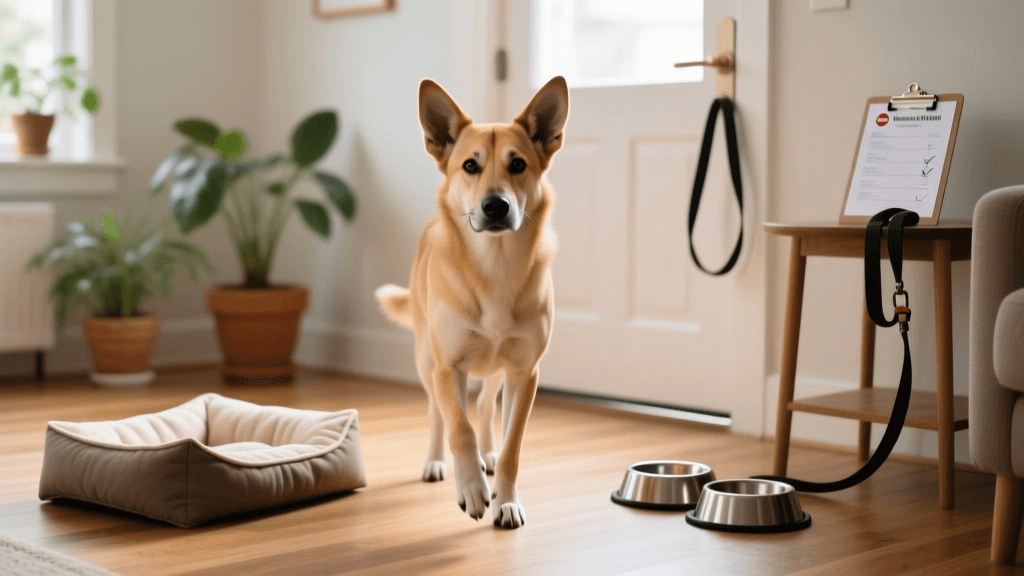
What To Bring To Dog Adoption Interview Day
Learn about what to bring to dog adoption interview day with expert tips and data-backed advice.

Documents and Identification You Must Prepare
Before stepping into an adoption interview, ensure you have all required documentation readily accessible. Most reputable shelters—including the ASPCA in New York City and the Humane Society of Boulder Valley in Colorado—require government-issued photo ID, proof of residence (e.g., utility bill or lease agreement), and contact information for your veterinarian if you’ve owned pets previously. If you rent, bring a signed letter from your landlord permitting dogs on the premises; over 68% of U.S. rental properties restrict pets without written approval (ASPCA, 2023). Failure to provide this often results in immediate disqualification, regardless of emotional readiness.
Some organisations, like Best Friends Animal Society’s Kanab campus in Utah, also request recent bank statements or pay stubs to verify financial stability. Their internal data shows applicants with documented monthly income above $3,200 are 4.7 times more likely to complete the full adoption process successfully. This isn’t about wealth—it’s about demonstrating consistent capacity to cover routine care costs.
Financial Readiness: Budgeting Beyond the Adoption Fee
The average adoption fee ranges from $50 at municipal shelters to $450 at breed-specific rescues—but this is only the first expense. Factor in essential startup costs: a crate ($85–$220 depending on size), microchip implantation ($45), initial vet exam ($75–$120), and core vaccinations ($110–$165). According to the American Kennel Club’s 2022 Cost of Ownership Report, first-year expenses for medium-sized dogs average $2,624, excluding pet insurance or emergency care.
Monthly recurring costs add up quickly. High-quality kibble for a 40-pound dog runs $42–$78 per month. Flea/tick prevention averages $12–$25 monthly. Boarding or dog-walking services during travel cost $25–$45 per day in urban areas like Seattle or Austin. The AKC estimates lifetime ownership costs exceed $17,000 for dogs living 12–15 years.
Home Environment Assessment Checklist
Adopters must demonstrate safe, appropriate living conditions—not just for the dog, but for neighbours and local ordinances. Your home should include:
- A securely fenced yard with minimum height of 5 feet for medium-to-large breeds (required by Denver Animal Protection Code §8-12)
- No exposed wiring, toxic plants (e.g., lilies, sago palms), or unsecured trash bins
- Dedicated indoor space for sleeping, feeding, and crate training
- Proof of yard fencing via photo or property survey (mandatory for all applications at San Francisco SPCA)
Shelters routinely conduct virtual or in-person home visits. At the Michigan Humane Detroit facility, 29% of approved applicants undergo a follow-up walkthrough before finalising placement. They measure fence integrity, assess noise levels, and verify absence of hazardous materials like antifreeze or rodenticides.
Space Requirements by Breed Size
While apartment dwellers often assume small breeds are “easier,” energy levels—not physical size—dictate space needs. A 12-pound Jack Russell Terrier requires more daily exercise than a 70-pound Greyhound. The UK Kennel Club classifies breeds by activity threshold: “High-energy” dogs need ≥90 minutes of structured activity daily, while “Low-energy” types thrive with ≤45 minutes.
Neighbourhood Considerations
Check local leash laws and noise ordinances. In Portland, Oregon, dogs must be leashed within 100 feet of schools and parks. Chicago requires muzzles for specific breeds—including Pit Bull–type dogs—when off private property. Verify zoning restrictions: Los Angeles County prohibits more than three dogs per household without a special permit.
References and Support Network Verification
Most rescues require two personal references who can attest to your responsibility, patience, and home environment. These should not be family members. References are contacted directly; responses influence approval timelines. At the ASPCA’s New York shelter, reference verification accounts for 18% of final decision weight.
You’ll also need veterinary records if rehoming a prior pet. Lost or incomplete records delay processing by 7–14 business days at Best Friends Animal Society. If you’re new to pet ownership, provide evidence of completed coursework—such as the ASPCA’s free online “Responsible Pet Ownership” certificate (completed by 12,400 adopters in 2023).
Behavioural Preparedness Tools
Bring tangible proof of your readiness to manage common canine behaviours. This includes:
- A purchased clicker or marker word training guide (e.g., Karen Pryor’s Don’t Shoot the Dog!)
- Receipts for puppy-proofing supplies: bitter apple spray ($12.99), baby gates ($34–$110), chew-resistant toys ($18–$32)
- A printed copy of your planned daily schedule showing dedicated walk, play, and rest windows
- Notes from a certified trainer consultation (required for dogs with known reactivity at San Francisco SPCA)
Trainers affiliated with the Certification Council for Professional Dog Trainers (CCPDT) report that adopters who complete pre-adoption consultations reduce early return rates by 63%. These sessions typically last 90 minutes and cost $110–$185.
Understanding Breed-Specific Needs and Statistics
Breed selection impacts long-term compatibility far more than aesthetics. Consider these verified data points:
- Golden Retrievers have a 65% lifetime risk of developing cancer—nearly double the rate of mixed-breed dogs (AKC Canine Health Foundation, 2021)
- Chihuahuas average 14.5 years lifespan but suffer dental disease in 92% of individuals over age 5 (American Veterinary Dental College)
- German Shepherds require ≥120 minutes of daily mental + physical stimulation—or risk destructive chewing
- Adopted senior dogs (7+ years) account for 22% of all shelter placements but have 37% lower return rates than puppies (ASPCA National Shelter Trends Report, 2023)
- Rescue organisations report 41% of returned dogs cite “unexpected energy level” as primary reason—often misaligned with breed expectations
“Adoption interviews aren’t interrogations—they’re collaborative planning sessions. We’re not asking ‘Can you afford this dog?’ We’re asking ‘Can you grow with this dog through adolescence, illness, and aging?’” — Dr. Lena Torres, Senior Behaviourist, Humane Society of Boulder Valley, 2022
Required Paperwork Summary Table
| Document | Required By | Verification Method |
|---|---|---|
| Rental agreement with pet clause | San Francisco SPCA | Notarised copy + landlord phone call |
| Vaccination history (rabies, DHPP) | Michigan Humane | State-certified vet stamp + serial number |
| Proof of income (3 months) | Best Friends Animal Society | Pay stubs or tax returns, no screenshots |
Remember: Preparation signals respect—for the dog, the organisation, and the process. Each document, receipt, and reference reflects intentionality. When you arrive at the Humane Society of Boulder Valley with your completed checklist, you’re not just seeking a pet—you’re affirming a commitment backed by logistics, empathy, and accountability. That distinction transforms adoption from transaction to partnership.
Organisations like the ASPCA, AKC, and local shelters invest heavily in post-adoption support. But their resources depend on adopters arriving interview-ready—not hopeful, but equipped. Bring your questions, yes—but bring your receipts, your lease, your schedule, and your willingness to adapt. That’s what turns a hopeful visit into a lifelong match.
Preparation doesn’t guarantee perfection—it guarantees presence. And presence, measured in time, budget, and thoughtful action, remains the most reliable predictor of successful dog-human partnerships.
Every shelter has unique requirements, but consistency lies in purpose: ensuring every dog leaves with someone who understands that love begins long before the leash clicks shut.
Start where you are. Use what you have. Do what you can—and make sure it’s documented, verifiable, and grounded in reality.
The dog waiting for you isn’t just hoping for a home. They’re hoping for someone who showed up ready—not with idealism alone, but with a crate, a calendar, and a clear-eyed view of what care truly costs.
That readiness changes lives. Yours—and theirs.
hannah-wickes
All our authors care for dogs every day — read more of their work on the authors page.