Decoding Canine Calming Signals For Rescue Dogs 2026
Learn to decode rescue dog calming signals like whale eye and yawning in 2026. Expert tips and modern tech tools to reduce canine stress and build trust.
The Silent Language of Rescue Dogs
Bringing a rescue dog into your home in 2026 is a profoundly rewarding experience, but it comes with a unique set of communication challenges. Unlike puppies raised in controlled environments, rescue dogs often arrive with complex histories, ingrained survival mechanisms, and a heightened sensitivity to their surroundings. To build a foundation of trust, modern dog owners must look beyond basic obedience and learn to read the subtle, silent language of canine communication.
First identified and categorized by Norwegian dog trainer Turid Rugaas, "calming signals" are the micro-expressions and body postures dogs use to de-escalate tension, communicate peaceful intentions, and self-soothe in stressful situations. According to the American Kennel Club's guide on dog body language, recognizing these signals is the cornerstone of modern, force-free behavioral rehabilitation. In this comprehensive guide, we will decode the most critical calming signals you will encounter with your rescue dog and explore how 2026's advanced behavioral technology can support your journey together.
Top 5 Calming Signals You Must Recognize
When a rescue dog feels overwhelmed, they rarely resort to aggression immediately. Instead, they broadcast a series of appeasement gestures. Missing these cues can lead to a breakdown in trust or a sudden behavioral outburst. Here are the five most common signals to watch for.
1. The "Whale Eye" (Half-Moon Eye)
Whale eye occurs when a dog turns its head slightly away from a stressor but keeps its eyes fixed on the trigger, exposing the white sclera of the eye in a half-moon shape. This is a critical indicator of high anxiety and potential resource guarding. If your newly adopted rescue displays whale eye when you approach their food bowl or favorite sleeping spot, they are politely asking for space. Ignoring this signal is a primary cause of bites in the first 30 days of adoption.
2. Excessive Lip Licking and Yawning
While dogs lick their lips after eating and yawn when tired, doing so out of context is a massive red flag. If you are leash-training your rescue dog and they repeatedly flick their tongue over their nose or let out deep, repetitive yawns, they are not bored or hungry. They are experiencing cognitive overload. The ASPCA's resource on common dog behavior issues notes that displacement behaviors like lip licking are a dog's attempt to process conflicting emotions, such as wanting to please their owner while feeling terrified of the leash pressure.
3. Turning Away or Turning the Head
In the canine world, direct, sustained eye contact is often perceived as a threat or a challenge. When a rescue dog turns their head to the side or presents their side or back to you, they are not ignoring you. They are actively employing a calming signal to tell you, "I mean no harm, please do not harm me." This is incredibly common during initial introductions or when a well-meaning stranger attempts to pet the dog directly on top of the head.
4. The Play Bow as a De-escalation Tool
Most owners recognize the play bow (front elbows on the ground, rear end in the air) as an invitation to play. However, in tense situations, a rescue dog may use a rapid, stiff play bow to diffuse a conflict. If another dog approaches them too aggressively at the park, your dog might drop into a bow to signal peaceful intentions and prevent a fight. It is a sophisticated diplomatic maneuver in the dog world.
5. Sniffing the Ground Out of Context
If you are walking your dog and a loud truck passes by, or a stranger approaches, your dog might suddenly become intensely fascinated by a completely barren patch of concrete. This sudden sniffing is a displacement activity and a calming signal. By breaking eye contact and focusing on the ground, the dog is attempting to lower the emotional temperature of the encounter and self-regulate their spiking cortisol levels.
2026 Tech and Tools to Support Canine Communication
Understanding body language is only half the equation. In 2026, the intersection of veterinary behaviorism and smart home technology has provided us with unprecedented tools to monitor and soothe canine anxiety. Below is a comparison of the top evidence-based tools available this year to support your rescue dog's emotional regulation.
| Product / Tool | Primary Function | 2026 Price Estimate | Best For |
|---|---|---|---|
| Adaptil Optimum Diffuser (2026 Formula) | Releases an enhanced synthetic complex of maternal dog-appeasing pheromones to create a baseline of environmental security. | $55 - $65 | General household decompression and sleep anxiety. |
| Fi Series 4 Biometric Collar | Tracks Heart Rate Variability (HRV) and resting respiratory rates to identify hidden stress triggers and recovery times. | $149 + Subscription | Data-driven owners mapping specific environmental triggers. |
| ThunderEase Calming Spray | Targeted synthetic pheromone application for transient, high-stress events. | $32 - $40 | Car travel, vet visits, and thunderstorm phobias. |
| Sniffspot Private Enrichment App | Connects owners with private, secure outdoor spaces to allow off-leash decompression without the pressure of public dog parks. | $10 - $25 / hour | Leash-reactive rescues needing safe space to use sniffing as a calming mechanism. |
How to Respond to Your Rescue Dog's Signals
Recognizing a calming signal is useless if you do not know how to respond. The Humane Society's dog body language guide emphasizes that a dog's emotional state is directly influenced by the handler's reaction. Here is your actionable protocol for 2026:
- Respect the Distance: If you see whale eye or lip licking, immediately stop advancing. Take a step back and turn your own body slightly sideways to mirror their calming signal. This tells the dog you speak their language and respect their boundaries.
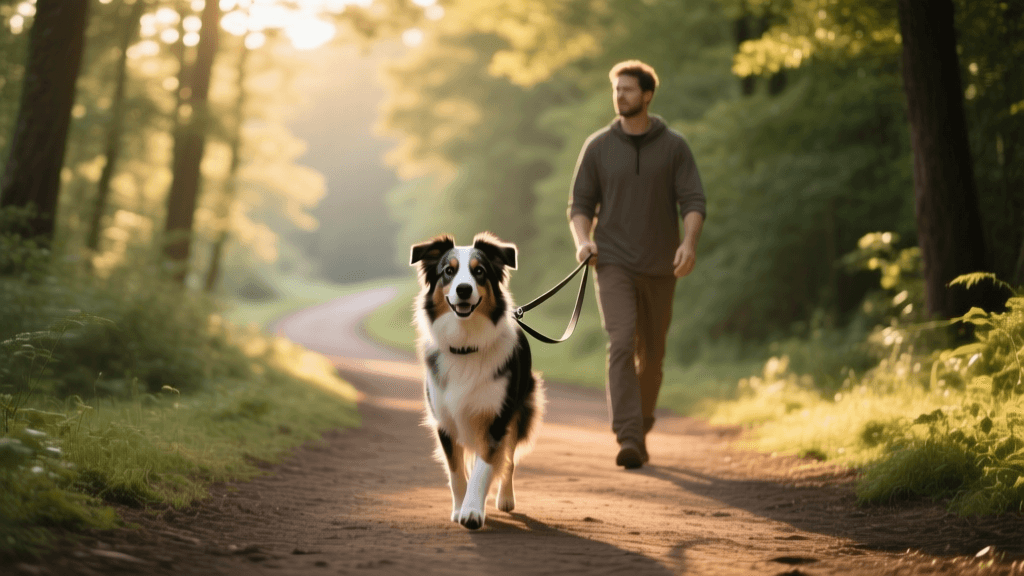
- Implement Parallel Walking: If your rescue dog is overwhelmed by face-to-face greetings, switch to parallel walking. Walking side-by-side in the same direction is a natural, low-pressure way for dogs to bond without the confrontational nature of direct eye contact.
- Utilize Biometric Baselines: Use a smart collar like the Fi Series 4 to establish your dog's baseline Heart Rate Variability (HRV). If you notice their HRV dropping during specific activities (like walking past a specific neighbor's house), you know that the activity is causing chronic stress, even if the dog isn't barking. Adjust your walking routes accordingly.
- Advocate for Your Dog: When strangers approach and your dog turns their head away, politely intercept the person. Say, "My dog is practicing their training today and needs space." Never force a rescue dog to accept physical contact when they are broadcasting avoidance signals.
- Encourage Decompression Sniffing: If your dog begins sniffing the ground to self-soothe, do not pull them away with the leash. Allow them 30 to 60 seconds to engage in this natural cortisol-reducing behavior before gently encouraging them forward with a happy, high-pitched vocal cue.
Building a Lifelong Bond Through Observation
Life with a rescue dog is a masterclass in empathy and non-verbal communication. By shifting your perspective in 2026 from demanding obedience to observing and respecting their calming signals, you transform from a mere owner into a trusted advocate. The yawning, the sniffing, and the averted eyes are not signs of a broken dog; they are the brave, quiet pleas of a survivor asking for patience. Listen to their silent language, leverage modern behavioral tools, and watch your rescue dog finally exhale, settle, and truly come home.
anouk-beaumont
All our authors care for dogs every day — read more of their work on the authors page.