2026 Fast CAT Training Guide: Best Gear And Tips
Discover how to prepare your dog for Fast CAT lure coursing in 2026. Explore top training gear, conditioning tips, and AKC competition rules.
Introduction to the Thrill of Fast CAT
Dog sports have seen a massive evolution over the last few years, and as we navigate through 2026, the American Kennel Club’s Fast CAT (Coursing Ability Test) remains one of the most exhilarating and accessible canine competitions available. Unlike traditional lure coursing, which is often restricted to sighthounds, Fast CAT is an open-invitation sprint that allows every breed, from the tiniest Chihuahua to the tallest Great Dane, to chase a mechanical lure in a straight line. It is a pure test of prey drive, speed, and focus.
For dog owners looking to channel their pet’s boundless energy into a structured, rewarding activity, Fast CAT is the perfect entry point. However, success in this sport requires more than just pointing your dog at a white plastic bag and hoping for the best. Proper conditioning, specialized gear, and an understanding of the official rules are essential to keep your dog safe and competitive. In this comprehensive 2026 guide, we will break down everything you need to know to prepare your dog for the Fast CAT course, including the latest gear recommendations and veterinary-approved conditioning routines.
Understanding the 2026 AKC Fast CAT Rules
Before you invest in training equipment, it is crucial to understand the parameters of the event. According to the official American Kennel Club Fast CAT guidelines, the competition is a 100-yard straight dash. Dogs are timed using an electronic eye system, and their speed is calculated into miles per hour (MPH). This data is then used to award points toward official AKC titles, such as the BCAT, DCAT, and FCAT designations.
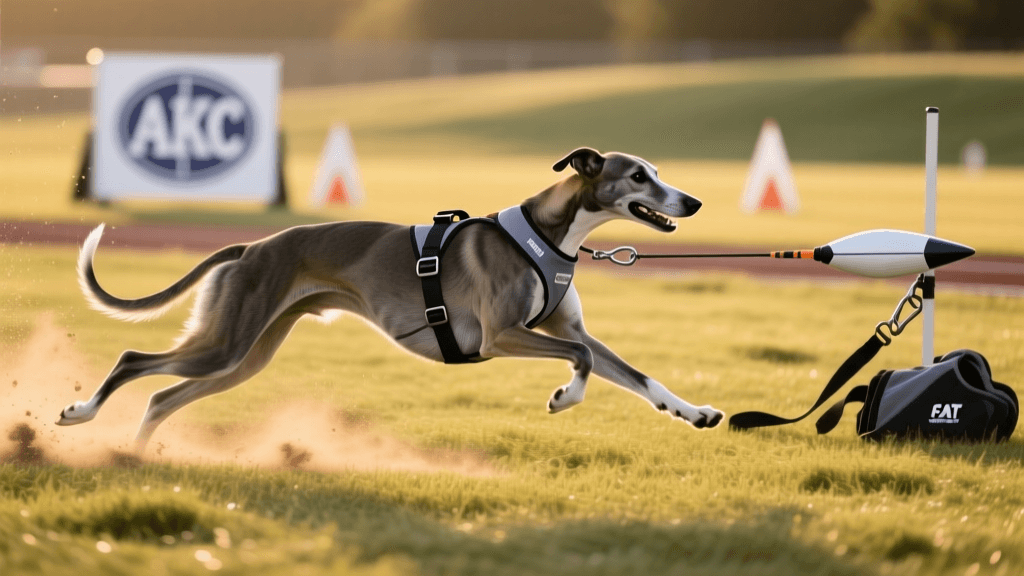
To ensure fairness across different breeds and sizes, the AKC utilizes a handicap system. Dogs that measure under 12 inches at the withers are only required to run 50 yards, but their time is still converted using a specific formula to compete equitably against larger breeds. In 2026, the AKC has also reinforced strict safety protocols regarding course conditions, ensuring that the turf or dirt is properly maintained to prevent slipping and joint strain. Dogs must run completely off-leash, wearing only a flat collar or a well-fitted harness, making reliable recall and focus paramount.
Essential Gear for Fast CAT Training and Competition
Having the right equipment can make the difference between a sloppy run and a record-breaking sprint. Here is the essential gear you need for the 2026 competition season.
The Right Harness for Sprinting
While dogs are allowed to wear flat collars, most experienced handlers opt for a specialized racing or pulling harness. A standard walking harness can restrict shoulder movement and alter a dog's natural gait at top speeds. Look for a harness designed specifically for canine athletics, such as the Ruffwear Web Master or custom fleece-lined sighthound harnesses. These designs distribute pressure evenly across the chest and back without impinging on the scapula. In 2026, lightweight, breathable mesh harnesses with aerodynamic profiles are the top choice for competitive handlers looking to shave milliseconds off their dog's time.
Foundation Prey Drive Tools: The Flirt Pole
You cannot practice on a 100-yard mechanical lure machine at home, but you can build the foundational prey drive required to chase it. A heavy-duty flirt pole is your best training tool. Modern flirt poles feature bungee cords to absorb the shock of a sudden catch, protecting your dog’s neck and teeth. Use the flirt pole to teach your dog to track erratic movements, accelerate quickly from a standing start, and, most importantly, practice the 'out' or 'drop' command when they catch the lure.
Paw Protection and Traction
Sprinting generates immense friction and heat on a dog's paw pads. Whether you are competing on grass, dirt, or artificial turf, paw care is non-negotiable. For grass and dirt courses, a high-quality paw wax like Musher’s Secret provides a semi-permeable barrier that prevents cracking and offers slight grip enhancement. For artificial turf or abrasive surfaces, consider investing in a set of canine racing boots, such as Rex Boots, which feature specialized rubber soles designed for high-speed traction without adding unnecessary weight.
Canine Conditioning and Injury Prevention
Fast CAT is essentially canine track and field. Asking a weekend warrior dog to suddenly sprint at 25 MPH is a recipe for torn ligaments or muscle strains. A structured conditioning program is vital. The AKC’s expert guide on warming up for dog sports emphasizes that dynamic stretching is critical before any high-intensity activity.
Dynamic Warm-Up Routines
Never let your dog jump out of the car and immediately run to the start line. A proper warm-up should last 10 to 15 minutes and include:
- The Trot-Out: A brisk, steady trot for 5 minutes to elevate the heart rate and increase blood flow to the muscles.
- Figure-Eights: Walking your dog in tight figure-eight patterns between your legs to stretch the spine and engage the core.
- Cookie Crawl: Luring your dog into a crawling position with a treat to engage the hindquarters and stretch the hip flexors.
- Play Bows: Encouraging natural play bows to stretch the front shoulders and chest.
Cool-Down and Recovery
After the sprint, keep your dog moving at a slow walk for at least five minutes to prevent blood from pooling in the extremities. Once the heart rate has normalized, gentle static stretching and canine massage can help flush lactic acid from the muscles. Hydration is equally critical; offer small, frequent sips of water or a canine-specific electrolyte solution rather than allowing the dog to gulp large amounts, which can increase the risk of bloat.
Step-by-Step Training Drills for the Course
Training for Fast CAT is divided into two main categories: drive building and recall training. If a dog catches the lure at the end of the course, they may become frustrated when they realize it is just a plastic bag. Conversely, if they don't care about the lure, they won't run at top speed.
The 'Catch and Release' Game
During your flirt pole sessions, allow your dog to catch the toy occasionally, but immediately trade it for a high-value treat, such as freeze-dried liver or chicken. This teaches the dog that catching the prey yields a reward, but giving it up is even better. On the actual Fast CAT course, the lure is pulled through a PVC pipe at the finish line. Your dog must be trained to run past the finish line to you, rather than digging at the pipe. Always stand at the finish line with a visible, high-value reward to encourage a strong finish.
The Emergency Recall
Distractions happen. A squirrel might cross the field, or a dog might break from the adjacent course. You must have a rock-solid emergency recall. Practice your recall in increasingly distracting environments, using a long line to ensure safety. In 2026, many handlers use GPS tracking collars during off-course training to monitor their dog's speed and ensure they are responding to commands even when their prey drive is fully engaged.
2026 Fast CAT Gear Comparison Table
To help you budget for the upcoming season, we have compiled a comparison of the most popular gear categories used by Fast CAT competitors this year.
| Gear Category | Recommended Product Type | Best For | Estimated 2026 Price |
|---|---|---|---|
| Racing Harness | Fleece-Lined X-Back Harness | Deep-chested breeds and sighthounds | $65 - $120 |
| Prey Drive Tool | Bungee-Cord Flirt Pole | Building drive and teaching the 'out' command | $35 - $55 |
| Paw Protection | Canine Racing Boots (Rubber Sole) | Artificial turf and abrasive dirt courses | $80 - $110 |
| Hydration | Canine Electrolyte Powder | Post-sprint recovery and heat management | $25 - $40 |
| Tracking | Lightweight GPS Sport Collar | Off-course speed tracking and safety | $150 - $250 |
Nutrition and Energy Management
A dog’s diet plays a direct role in their explosive power and stamina. According to veterinary experts focused on keeping athletic dogs fit and healthy, performance dogs require a diet higher in quality fats and proteins compared to sedentary pets. Fat is the primary fuel source for canine endurance and sprinting. In the days leading up to a Fast CAT trial, ensure your dog is on a high-performance kibble or a balanced raw diet that supports muscle repair. Avoid feeding a large meal within four hours of running to prevent gastrointestinal distress and mitigate the risk of gastric dilatation-volvulus (bloat).
Final Thoughts on Competing in 2026
Fast CAT is more than just a race; it is a celebration of your dog’s natural instincts and a fantastic way to strengthen the bond between you and your canine companion. As the sport continues to grow in 2026, the emphasis on safety, proper conditioning, and positive reinforcement training has never been higher. By investing in the right harness, dedicating time to dynamic warm-ups, and building a reliable recall, you are setting your dog up for a long, healthy, and triumphant career on the sprint course. Grab your flirt pole, head to the park, and start building that prey drive today!
tom-renshaw
All our authors care for dogs every day — read more of their work on the authors page.