From Couch to Trail: A 6-Month Off-Leash Hiking Progression Plan
Transform your dog into a reliable trail companion with this 6-month off-leash hiking progression plan. Master recall, boundaries, and safety.
The Dream vs. The Reality of Off-Leash Hiking
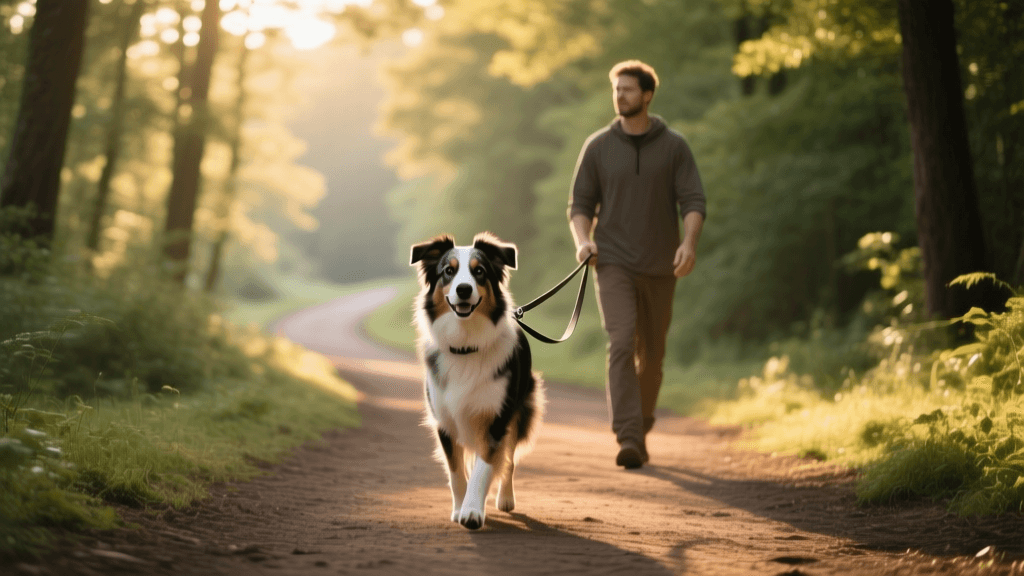
Picture this: you are navigating a serene, sun-dappled forest trail, and your dog is trotting happily a few feet ahead, occasionally stopping to sniff a pinecone before looking back to check in with you. This is the ultimate dream for many dog owners. However, the reality of off-leash hiking requires much more than simply unclipping the carabiner and hoping for the best. Unreliable recall, wildlife chasing, and poor trail etiquette can turn a peaceful hike into a dangerous, stressful ordeal.
Transitioning a dog from a leash-reliant pet to a trustworthy off-leash hiking companion requires a structured, methodical approach. This 6-month training progression plan is designed to build a foundation of engagement, impulse control, and emergency obedience. By breaking the journey down into manageable phases, you ensure that both you and your dog are prepared for the unpredictable nature of the wilderness.
Phase 1: Foundation and Indoor Recall (Months 1-2)
Before you can expect your dog to listen in a forest filled with deer scents and rustling leaves, they must master basic engagement in a low-distraction environment. Months one and two are entirely dedicated to indoor and fenced-yard foundation work.
The Name Game and Engagement
Your dog needs to learn that their name and your presence are the most rewarding things in their environment. Start with the "Name Game." Say your dog's name once, clearly and cheerfully. The moment they make eye contact, mark the behavior with a clicker or a verbal "Yes!" and deliver a high-value treat. For this phase, use soft, smelly treats that can be consumed quickly, such as Zuke's Mini Naturals (approximately $6 per 6oz bag). You want to keep the training loop fast and engaging.
Indoor Recall
According to the American Kennel Club's guide to teaching recall, you should never use your recall command to call your dog for something they perceive as negative, like a bath or nail trim. Keep recall exclusively positive. Practice calling your dog from room to room. Invest in a treat pouch that allows for rapid delivery, such as the Outward Hound TailPouch ($15), which clips securely to your belt and holds a full day's worth of training rewards.
Phase 2: Controlled Outdoor Environments (Months 3-4)
Once your dog is reliably responding indoors, it is time to introduce environmental distractions. However, we are not dropping the leash yet. This phase utilizes a long line to give the dog a sense of freedom while maintaining physical control.
Long Line Mastery
Purchase a 30-foot biothane long line, such as the Mendota 30ft Biothane Long Line ($45). Biothane is superior to nylon or cotton because it does not absorb water, mud, or odors, and it won't cause rope burn if your dog suddenly bolts after a squirrel. Allow your dog to drag the line in a quiet, open park. Practice your recall command. If they ignore you, gently reel them in using the long line, reward them when they arrive, and try again. Never yell or punish them when they finally come to you, even if it took three attempts.
The "Check-In" Behavior
An off-leash hiking dog should naturally look back at their owner every 30 to 60 seconds. To build this, wait for your dog to voluntarily look at you while on the long line. Immediately mark and reward. Over time, they will realize that checking in with you is a highly profitable endeavor.
Training Progression Milestones
| Month | Environment | Primary Tool | Success Criteria to Advance |
|---|---|---|---|
| 1-2 | Indoors / Quiet Yard | Standard 6ft Leash | 90% success rate on recall with mild distractions. |
| 3-4 | Quiet Parks / Fenced Areas | 30ft Biothane Long Line | Voluntary check-ins every 60 seconds; reliable long-line recall. |
| 5 | Moderate Distraction Areas | 15ft Line / Drag Line | Successful emergency whistle recall; solid "Leave It" around wildlife. |
| 6 | Low-Traffic Nature Trails | Off-Leash + GPS Collar | Maintains visual contact; returns immediately to emergency whistle. |
Phase 3: Distraction Proofing and Emergency Commands (Month 5)
Month five is where the real proofing happens. You will introduce higher levels of distraction and establish an emergency recall system that cuts through the noise of the wild.
The Emergency Recall Whistle
Human voices can carry panic, and yelling can be drowned out by wind, rushing water, or distance. A dog whistle provides a consistent, piercing tone that travels much further than a human voice. The Acme 211.5 Dog Whistle ($12) is a favorite among field trainers. Pair the whistle with an ultra-high-value reward that your dog only ever gets for this specific command—think boiled chicken breast, freeze-dried liver, or string cheese. Blow the whistle in a specific pattern (e.g., two short blasts), and when your dog returns, throw a "jackpot" party of treats. As noted by the Humane Society's resources on impulse control, overriding a dog's natural prey drive requires a reward that heavily outweighs the environmental distraction.
Wildlife "Leave It"
Practice the "Leave It" command using toys and low-value items indoors, then progress to tossing treats in the grass outdoors. Your dog must learn that ignoring the forbidden item results in a better reward from your hand. This is critical for preventing your dog from harassing local wildlife or eating dangerous items on the trail.
Phase 4: The First Off-Leash Trail Hike (Month 6)
If your dog has met all the criteria in the previous phases, month six introduces the actual off-leash trail hike. However, preparation is just as important as the training itself.
Selecting the Right Trail
For your first few off-leash hikes, choose trails with clear sightlines, minimal elevation changes, and low foot traffic. Avoid trails with steep drop-offs, heavy bicycle traffic, or known wildlife corridors. The goal is to set your dog up for success by minimizing sudden, overwhelming stimuli.
GPS Tracking and Safety
Even the most well-trained dog can spook at the sound of a gunshot or a falling branch. A GPS collar is non-negotiable for off-leash hiking. The Fi Series 3 Smart Dog Collar ($129 hardware + $99/year subscription) offers excellent battery life and uses a combination of cellular and satellite networks to track your dog's location in real-time via your smartphone. Alternatively, for deep wilderness without cell service, the Garmin Alpha 200 system ($600+) provides rugged, satellite-based tracking.
Reading Canine Body Language on the Trail
A successful off-leash hike requires you to be an active observer of your dog's body language. You must be able to read their stress signals and arousal levels before they escalate into a chase or a fight.
- Relaxed Hiking Signals: Soft, open mouth; loose, sweeping tail wags; frequent voluntary check-ins; sniffing the ground with a relaxed posture.
- Early Stress/Arousal Signals: Lip licking, yawning when not tired, "whale eye" (showing the whites of the eyes), stiff tail held high, fixated staring at a specific point in the brush.
If you notice early arousal signals, immediately call your dog back to your side, leash them, and engage in a calming activity like a "scatter feed" (tossing a handful of treats into the grass for them to sniff out) to lower their heart rate and reset their brain.
Essential Gear Checklist for the Trail
Beyond the training tools, proper hiking gear ensures your dog's physical safety. According to REI Co-op's expert advice on hiking with dogs, preparation and proper equipment are vital for preventing trail injuries and dehydration.
- Collapsible Water Bowl & Hydration: Carry at least 8oz of water per mile of hiking. The Ruffwear Quencher ($10) packs down flat and is highly durable.
- Canine First Aid Kit: Include vet wrap, tweezers for tick/thorn removal, styptic powder for torn nails, and saline eye wash. The Kurgo First Aid Kit for Dogs ($35) is a comprehensive, trail-ready option.
- Paw Protection: If hiking on granite or hot dirt, consider Musher's Secret Paw Wax ($18) or a set of Rex Wellies Dog Boots ($45) to prevent pad abrasions.
- Waste Management: Always carry biodegradable waste bags and a dedicated, sealable container (like the DooBuddy**) to pack out your dog's waste. Leave No Trace principles apply to our canine companions, too.
Expert Tip: "The recall command is a living behavior. If you stop practicing and rewarding it, it will decay. Always carry treats on your hike and randomly reward your dog for choosing to stay close to you, even after they have earned their off-leash privileges."
Conclusion: A Lifelong Partnership
Transforming your dog into a reliable off-leash hiking companion is not a quick weekend project; it is a six-month journey of mutual trust, communication, and patience. By following this progression plan, you are not just teaching commands—you are building a language between you and your dog. When you finally unclip that leash on a quiet mountain trail and watch your dog navigate the woods with confidence, only to see them stop, turn, and trot back to your side with a happy pant, you will know that every hour of training was entirely worth it. Stay patient, keep your expectations realistic, and enjoy the incredible bond that the trail will forge between you and your best friend.
beth-carrasco
All our authors care for dogs every day — read more of their work on the authors page.