Best Puppy Breeds for Remote Workers in 2026: A Behavioral Guide
Discover the best puppy breeds for remote workers in 2026. Learn the canine psychology and instincts that make these dogs perfect home-office companions.
The Shift to Canine Co-Workers in 2026
As we navigate the permanent remote and hybrid work landscapes of 2026, the home office has evolved from a temporary desk setup into a permanent, shared living and working ecosystem. With nearly half of the modern workforce operating remotely, the demand for the perfect "canine co-worker" has never been higher. However, choosing a puppy based purely on aesthetics or viral social media trends is a recipe for behavioral disaster. To truly thrive in a home-office environment, a dog must possess the right psychological makeup, energy regulation, and breed instincts to handle eight hours of your undivided attention—and your subsequent distraction.
In this guide, we explore the fascinating canine psychology behind the best puppy breeds for remote workers in 2026, breaking down exactly why certain breeds excel at the "work-from-home" lifestyle while others struggle.
The Psychology of the Ideal Home-Office Dog
What makes a dog a good remote work companion? It comes down to three primary behavioral traits: proximity-seeking behavior, environmental reactivity, and energy sustainability.
Dogs bred for companionship possess a high degree of proximity-seeking behavior. They derive neurological rewards (dopamine and oxytocin releases) simply from being in the same room as their human, without needing constant physical interaction. Conversely, dogs bred for high-stimulus jobs (like herding or hunting) require active engagement; if denied this, they will manufacture their own "work," which often manifests as destructive behavior or excessive vocalization.
Furthermore, a great home-office dog must have low environmental reactivity. In 2026, with the constant hum of delivery drones, smart doorbells, and virtual meeting notifications, a dog with high territorial instincts will spend the workday in a state of chronic stress, barking at every minor perimeter breach. For a comprehensive understanding of how dogs process stress when left alone or when their environment is disrupted, the ASPCA's resources on canine anxiety provide excellent foundational insights into breed-specific stress responses.
Top 5 Puppy Breeds for Remote Workers (Behavioral Breakdown)
1. Cavalier King Charles Spaniel: The Dopamine Companion
The Cavalier King Charles Spaniel is arguably the ultimate lap-desk dog. Bred exclusively for companionship over centuries, their psychological drive is entirely focused on human bonding. Unlike terriers, Cavaliers possess a remarkably low prey drive, meaning they are less likely to lunge at the window when a squirrel crosses your lawn during a Zoom call. Their adaptability is legendary; they are perfectly content to sleep on an orthopedic bed at your feet for six hours, waking only for a midday sniffari.
2. Greyhound: The Sprint-and-Snooze Professional
It may seem counterintuitive to recommend a racing breed for a sedentary home office, but Greyhounds are famously known as "45-mph couch potatoes." Psychologically and physiologically, Greyhounds are built for anaerobic sprints, not endurance. A brisk 20-minute morning walk or a short flirt-pole session in the yard completely satisfies their physical needs. For the remaining 18 hours of the day, their instinct is to conserve energy through deep sleep. They are exceptionally quiet, rarely barking, making them ideal for professionals who spend their days on conference calls.
3. Bichon Frise: The Adaptable Cheerleader
For the remote worker who wants a bit more pep in their home office, the Bichon Frise is a stellar choice. Originally bred as companion dogs for European nobility and later as entertaining circus dogs, Bichons are highly attuned to human emotions. They are alert enough to greet you when you step away for coffee, but they lack the sharp, alarmist vocalization tendencies of smaller terrier breeds. Additionally, their low-shedding, hypoallergenic coats are a practical necessity for keeping home office electronics and air filters clean in enclosed spaces.
4. Shih Tzu: The Ancient Lap Warmer
Bred by Tibetan monks and later cherished by Chinese royalty, the Shih Tzu has literally one job in its genetic code: to sit in a lap and provide warmth and affection. They possess a delightful arrogance but lack any working or guarding instincts. A Shih Tzu will not try to herd your children or guard your front door; they will simply demand to be placed on a cushion near your keyboard. Their brachycephalic (short-nosed) structure means they tire quickly, ensuring they won't interrupt your deep-work sessions with demands for rigorous physical exercise.
5. Pug: The Proximity-Seeking Comedian
Pugs are the quintessential "velcro dogs." Their psychological need to be in physical contact with their owners makes them perfect for remote workers who spend long hours seated. Pugs thrive on proximity and are highly sensitive to their owner's emotional state, often providing comforting physical pressure against your leg when they sense work-related stress. Like the Shih Tzu, their low stamina ensures that a couple of short neighborhood loops are more than enough to keep them satisfied and snoozing through your afternoon spreadsheets.
Understanding Breed Instincts: Who to Avoid
Just as important as knowing which breeds to adopt is understanding which breeds to avoid in a home-office setting. The American Kennel Club's breed profiles clearly delineate the working purposes of various dogs, which directly conflict with remote work demands.
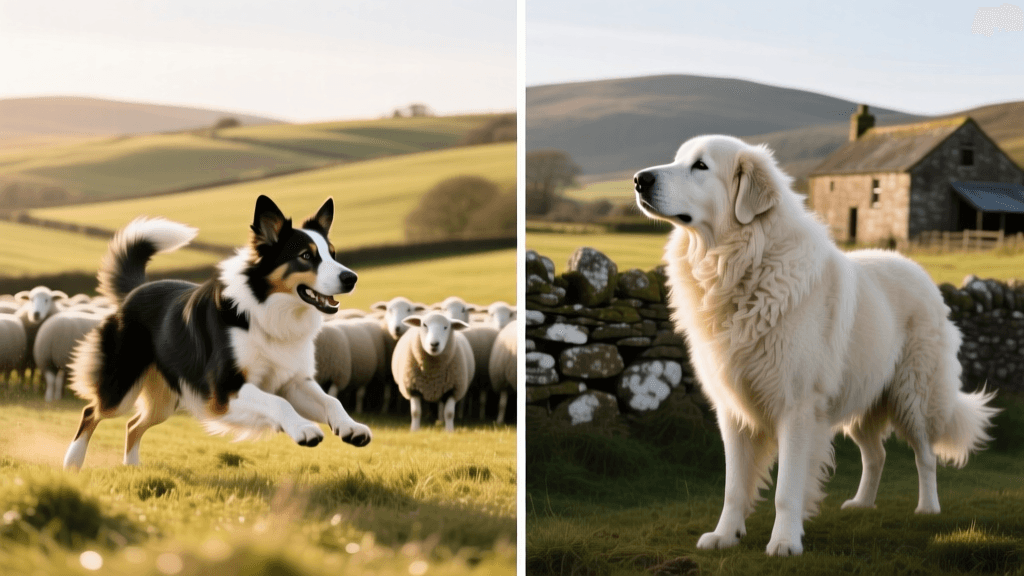
- Herding Breeds (Border Collies, Australian Shepherds): These dogs are psychologically wired to control movement. If you pace while on phone calls, or if you have children running through the house, a herding dog will attempt to "herd" you by nipping at heels or barking, viewing your erratic movements as a flock that needs managing.
- Livestock Guardian Breeds (Great Pyrenees, Anatolian Shepherds): Bred to independently assess and neutralize threats, these dogs view the perimeter of your home as their territory. Every passing car, delivery driver, or neighborhood cat will trigger a deep, booming bark that will inevitably ruin your virtual meetings.
- High-Prey Terriers (Jack Russell Terriers): Their relentless drive to chase and dig means they require immense physical and mental stimulation. Left to entertain themselves in a home office, they will likely redirect their energy into dismantling your furniture or digging through your trash can.
Comparison Chart: Breed Traits vs. Remote Work Demands
| Breed | Energy Level | Vocalization Tendency | Clinginess Factor | Best Work Style Match |
|---|---|---|---|---|
| Cavalier King Charles Spaniel | Low to Moderate | Very Low | High (Proximity) | Deep focus, long desk hours |
| Greyhound | Low (Post-Sprint) | Extremely Low | Moderate | Quiet reading, coding, writing |
| Bichon Frise | Moderate | Low | Moderate | Creative work, collaborative calls |
| Shih Tzu | Very Low | Low | High (Physical Contact) | Relaxed admin, casual meetings |
| Pug | Low | Moderate (Snorts/Grunts) | Extremely High | High-stress jobs needing comfort |
Optimizing Your 2026 Home Office for Your Puppy
Bringing a puppy into your home office requires more than just a bed in the corner. To support their psychological well-being and maintain your productivity, you must curate the environment.
Ergonomics and Temperature Control
Brachycephalic breeds (Pugs, Shih Tzus) struggle with thermoregulation. In 2026, smart home offices utilize temperature-controlled pet beds. The K&H Pet Products CoolBed III remains a staple for keeping short-nosed breeds comfortable during long afternoon work sessions without requiring electricity. For larger breeds like the Greyhound, who lack body fat and joint padding, an orthopedic bed like the Big Barker 7-inch Orthopedic Dog Bed is non-negotiable to prevent pressure sores from prolonged lounging on hard floors.
Mental Enrichment for Meeting Times
When you need absolute silence for a client presentation, rely on canine psychology: licking and chewing release endorphins that naturally soothe and quiet a dog. Stock your office freezer with frozen Kong Classic toys filled with dog-safe peanut butter and bone broth. Alternatively, interactive puzzle toys like the Outward Hound Nina Ottosson Dog Brick provide 20 to 30 minutes of silent, mentally exhausting problem-solving that will leave your puppy happily asleep before your meeting even ends.
Managing Virtual Boundaries
Dogs do not understand the concept of a webcam. To prevent your puppy from wandering into the frame or barking at the screen, utilize a physical boundary. A stylish, freestanding pet gate or a designated "place" mat trained via positive reinforcement creates a psychological safe zone for the dog, teaching them that when you sit at the desk, their job is to stay on their mat and relax.
Conclusion
The best puppy breeds for remote workers in 2026 are those whose ancestral instincts align with the modern reality of the home office. By selecting a breed driven by companionship rather than a working drive, and by optimizing your environment to meet their psychological needs, you can cultivate a harmonious workspace. Your dog will transition from a potential distraction into your most loyal, calming, and productive co-worker.
jonas-cole
All our authors care for dogs every day — read more of their work on the authors page.