Train Remote Work Puppies 2026: Best Breeds & Quiet Commands
Discover the best puppy breeds for remote workers in 2026 and learn essential training techniques for quiet Zoom calls and home-office independence.
The 2026 WFH Landscape: Why Puppy Training is Different Now
As we navigate the fully established hybrid and remote work models of 2026, bringing a new puppy into a home office environment presents a unique set of behavioral challenges. While working from home allows for frequent potty breaks and midday cuddles, it also creates a high risk for 'Velcro Dog Syndrome' and severe separation anxiety when you eventually need to leave the house or close your office door for a confidential meeting. Furthermore, the modern digital workspace is filled with triggers: doorbell camera notifications, Slack chimes, and the animated voices of colleagues on video calls.
Choosing the right breed is only the first step. The true secret to a harmonious home office lies in proactive behavioral conditioning. In this comprehensive guide, we will explore the most adaptable puppy breeds for remote workers this year and provide a rigorous, step-by-step training protocol to ensure your dog remains calm, quiet, and independent while you tackle your daily deliverables.
Top 3 Puppy Breeds for Remote Workers in 2026
Not all puppies are suited for the quiet confines of a home office. High-drive working breeds like Belgian Malinois or Border Collies will quickly become frustrated and destructive without hours of dedicated outdoor work. Instead, remote workers should look for companion breeds with moderate energy, high biddability, and a natural 'off-switch'.
1. The Cavapoo (Cavalier King Charles Spaniel x Poodle)
The Cavapoo remains a top-tier choice for remote professionals in 2026. Inheriting the eager-to-please intelligence of the Poodle and the deeply affectionate, low-arousal temperament of the Cavalier, this crossbreed excels at settling down for long stretches. They are highly responsive to positive reinforcement and typically master the 'Place' command within a few weeks. Their low-shedding coats are also ideal for keeping your home office furniture and tech equipment free of hair.
2. The Bichon Frise
Often underestimated, the Bichon Frise is a phenomenal apartment and home-office companion. They are alert and will let you know if a delivery driver approaches, but they lack the territorial aggression that leads to chronic barking. Bichons thrive on structured trick training, making them perfect candidates for learning quiet, mentally stimulating puzzle games that keep them occupied under your desk while you work.
3. The Miniature Schnauzer
For those who prefer a sturdier, more rugged companion, the Miniature Schnauzer offers a brilliant balance of independence and loyalty. Unlike some toy breeds that demand constant physical contact, Miniature Schnauzers are often content to observe their owners from a nearby bed. They are exceptionally smart and respond brilliantly to clicker training, though they do require early socialization to prevent them from becoming overly vocal at passing pedestrians.
Comparison Chart: WFH Puppy Breeds at a Glance
| Breed | Energy Level | Trainability | Barking Tendency | Best WFH Training Focus |
|---|---|---|---|---|
| Cavapoo | Low-Medium | High | Low | Duration 'Stay' & Relaxation |
| Bichon Frise | Medium | High | Medium | Trick Training & Puzzle Toys |
| Miniature Schnauzer | Medium-High | Very High | Medium-High | 'Quiet' Command & Desensitization |
Essential Training Protocol 1: The 'Place' Command for Zoom Calls
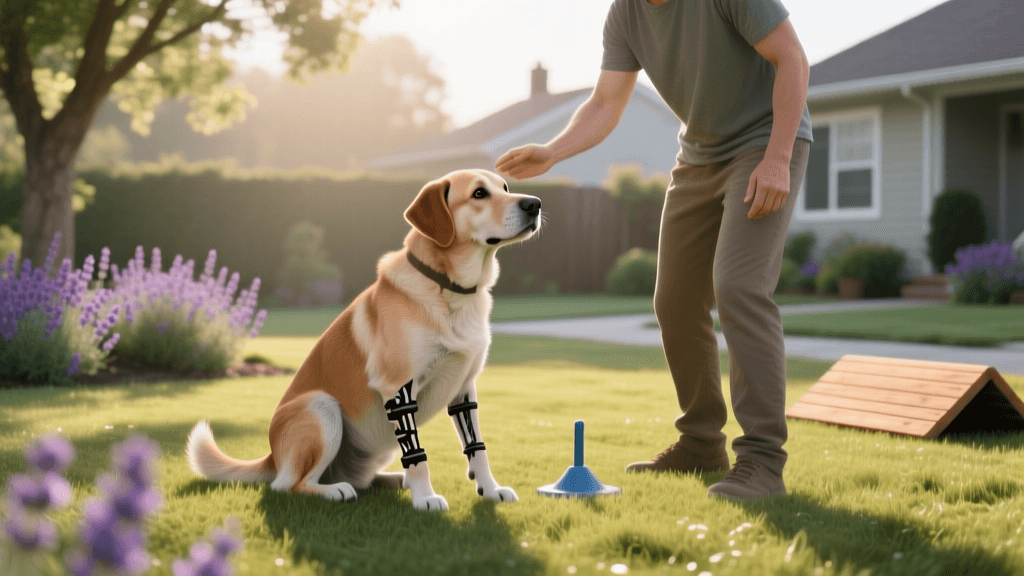
The 'Place' command is the cornerstone of home-office obedience. Unlike a simple 'Down' or 'Stay', 'Place' directs the dog to a specific, elevated cot or mat, creating a psychological boundary that helps them understand when it is time to relax. According to the American Kennel Club's training guidelines, teaching a dog to remain on a designated spot builds impulse control and provides them with a safe 'job' to do while you are busy.
Step-by-Step 'Place' Training
- Step 1: Luring the Target. Use a high-value treat (like freeze-dried liver) to lure your puppy onto an elevated cot, such as the Kuranda Chew-Proof Dog Bed. The moment all four paws touch the bed, mark the behavior with a clicker or a verbal 'Yes!' and reward.
- Step 2: Adding the Cue. Once the puppy is reliably stepping onto the bed for the treat, introduce the verbal cue 'Place' just before they step up. Reward only when they are fully on the bed.
- Step 3: Building Duration. Delay the reward. Ask for 'Place', wait two seconds, then reward while the dog is still on the bed. Gradually increase this to 10 seconds, 30 seconds, and eventually several minutes.
- Step 4: Adding WFH Distractions. This is where remote workers must simulate their actual environment. Sit at your desk, start a mock video call, and talk out loud. If the puppy stays on their bed, toss high-value treats to them every few minutes. If they break the boundary, calmly guide them back without offering a treat.
Essential Training Protocol 2: Preventing WFH Separation Anxiety
One of the most common behavioral issues seen by veterinary behaviorists in 2026 is separation anxiety in dogs raised exclusively by remote workers. Because you are home 24/7, the puppy learns that your presence is the baseline state of reality. When you finally leave for a dentist appointment or a rare in-office day, the sudden absence triggers panic.
The ASPCA's comprehensive guide on separation anxiety emphasizes the importance of desensitizing dogs to pre-departure cues and practicing systematic absences. You must train your puppy to be alone, even when you are working from home.
The 'Fake Departure' Routine
You must systematically break the association between your movements and your permanent exit. Practice the following routine daily:
- Put on your shoes and grab your keys, then sit back down at your computer.
- Open the front door, step out for exactly three seconds, and return calmly. Do not greet the puppy upon re-entry.
- Gradually increase the time outside to 10 seconds, 1 minute, 5 minutes, and eventually 30 minutes.
- Use a smart pet camera, like the Furbo 360 AI 2026 Edition, to monitor your puppy's stress signals. If they are pacing or whining, you have increased the duration too quickly. Return to a shorter time interval where the puppy remains relaxed.
Essential Training Protocol 3: Desensitizing Digital Chimes
In a modern remote workspace, auditory triggers are everywhere. The ping of a new email, the ringing tone of an incoming Teams call, or the buzz of a smart doorbell can easily trigger a barking fit. To maintain a professional audio environment, you must classically condition your puppy to view these sounds as cues for silence rather than alarms.
The 'Chime-to-Chin' Game
- Record the specific notification sounds from your computer and phone.
- Play the sound at a very low volume—just loud enough for the puppy to hear, but not loud enough to cause barking.
- The exact second the sound plays, toss a treat to the puppy's bed.
- Repeat this 20 times a day. The puppy's brain will quickly rewire the auditory trigger: 'When the computer pings, a treat appears on my mat.' Eventually, the sound of an incoming Zoom call will prompt your dog to silently run to their bed and wait for a reward, rather than barking at the door.
Recommended 2026 Training Gear for the Home Office
Having the right tools can drastically shorten your training timeline. Here are the top-rated items for WFH puppy conditioning this year:
- Kuranda Elevated PVC Dog Bed: Essential for the 'Place' command. The elevated design keeps the dog off cold floors and provides a clear visual boundary that is easier for dogs to understand than a flat mat.
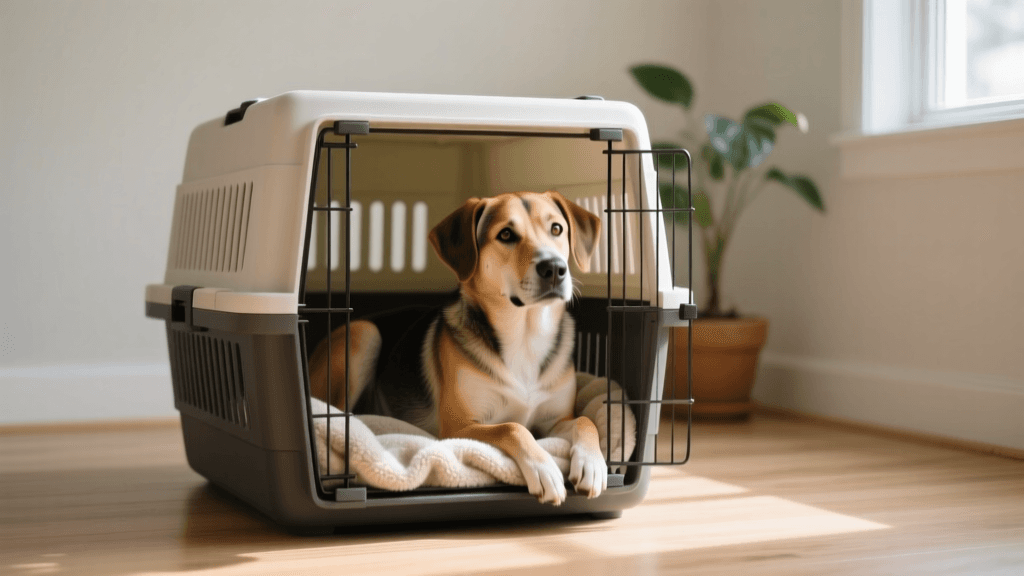
- Snuggle Puppy Heartbeat Toy: Highly recommended for crate training during your working hours. The simulated heartbeat and heat pack mimic the feeling of littermates, drastically reducing whining when you need the puppy to nap in their crate while you take a confidential call.
- West Paw Toppl Treat Toy: A superior alternative to standard chew toys. You can pack it with wet food and freeze it, providing up to 45 minutes of silent, enriching mental stimulation that tires the puppy out without requiring you to throw a ball.
- Furbo 360 AI Dog Camera (2026 Model): Features advanced AI that detects specific dog behaviors like vomiting, excessive barking, or lethargy, sending instant alerts to your smartwatch so you can intervene during a training session even if you are in another room.
Conclusion: Consistency is Your Greatest Asset
Raising a puppy while working remotely in 2026 is a highly rewarding experience, but it requires strict boundaries. The comfort of your home office should not translate into a lack of structure for your dog. By selecting a breed suited for indoor companionship, rigorously enforcing the 'Place' command, and proactively training against separation anxiety and digital noise triggers, you will cultivate a polite, confident, and well-adjusted canine colleague. Remember, the time you invest in structured training during the first six months will pay dividends in peace and productivity for the rest of your dog's life.
priya-sutaria
All our authors care for dogs every day — read more of their work on the authors page.